

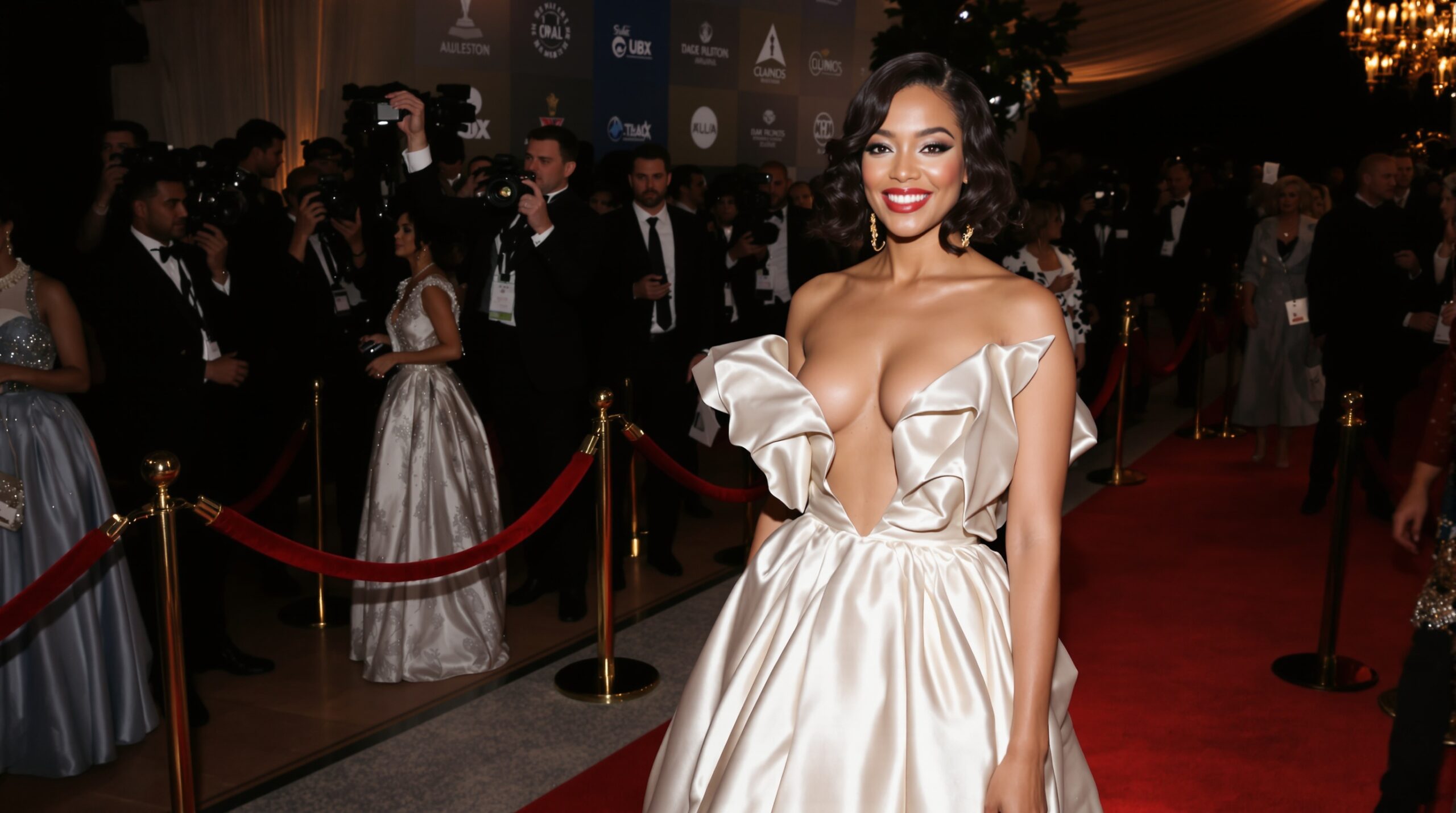
Awards season red carpets are embracing vintage and archival fashion. The shift signals a mainstream embrace of sustainable luxury. Viewers see beloved designs return with fresh context and careful styling. Industry leaders frame these choices as culture shaping, not nostalgia alone.
A Visible Shift Toward Sustainable Luxury
Vintage and archival looks now appear beside custom couture. Stylists pitch rewearing and archival loans as statements with purpose. Brands support the movement by opening archives and conserving historic pieces. That collaboration nudges the red carpet toward circular practices.
Advocacy groups helped establish this direction. RCGD Global, founded in 2009, championed sustainable gowns at the Oscars. Eco-Age’s Green Carpet Challenge encouraged responsible materials and transparency. Their messaging prepared audiences to value sustainability alongside glamour.
Today’s embrace feels broader than a niche initiative. It stretches across ceremonies, studios, and styling teams. Fashion houses also see strategic benefits in heritage storytelling. That alignment accelerates adoption at highly visible events.
Why Vintage Resonates on the Red Carpet
Vintage offers scarcity and narrative. Archival gowns carry provenance, craftsmanship, and cultural memory. Those qualities deliver distinction in a crowded media environment. They also align with growing scrutiny of fashion’s environmental costs.
Celebrities and stylists highlight reduced impact by reusing existing garments. Rewearing avoids new material production and manufacturing emissions. Luxury pieces often endure thanks to high-quality construction. That durability supports repeated appearances without compromising elegance.
Vintage also deepens brand storytelling. Houses reclaim historic silhouettes while reinforcing timeless codes. Jewelry archives add another layer of meaning. The result pairs sustainability with emotional resonance and institutional memory.
Star Moments That Normalized Archival Dressing
Rewearing as a Statement
Joaquin Phoenix wore the same Stella McCartney tuxedo across the 2020 season. His choice framed consistency as integrity, not compromise. Cate Blanchett has reworn gowns and jewels across multiple ceremonies. She often credits sustainable values in interviews and backstage conversations.
Rita Moreno re-wore her 1962 Oscars gown in 2018. The updated bodice preserved history while honoring modern fit. That appearance demonstrated longevity and personal heritage on film’s biggest stage. It also modeled rewearing as celebratory, not frugal.
Vintage Pieces With Provenance
Zendaya wore a 2002 Versace gown at the 2023 NAACP Image Awards. Stylist Law Roach frequently sources archival designs for her. Julia Roberts famously wore vintage Valentino at the 2001 Oscars. Those instances cemented vintage as red carpet high fashion.
Vintage jewelry has also gained visibility. Houses like Cartier and Bulgari loan historic pieces for awards nights. The stones connect eras and studio histories seamlessly. This cross-generational storytelling brings heritage alive for new audiences.
How Stylists Source and Secure Archival Fashion
Stylists maintain relationships with brand archivists and private collectors. They request pulls months before events to ensure fit. Conservators assess garment condition and necessary reinforcement. The process treats red carpet dressing like curatorial work.
Authentication remains essential for vintage sourcing. Specialists verify labels, construction, and provenance documents. Rentals and resale platforms provide additional pathways with vetting. Those safeguards protect reputations and preserve fashion history.
Logistics can be exacting and expensive. Pieces travel in climate-controlled cases with insurance coverage. Tailors make reversible, minimal alterations to respect integrity. Those constraints shape styling choices and movement on the night.
The Business Impact for Brands and Platforms
Archival moments boost brand equity by highlighting heritage. Search interest often spikes after high-profile appearances. Resale platforms report increased demand for similar silhouettes and eras. These ripples help circular fashion cross into mainstream shopping habits.
Luxury groups connect sustainability with long-term value creation. Kering invested in Vestiaire Collective and advanced circular initiatives. LVMH launched Nona Source to resell deadstock materials. Those moves align backstage systems with public red carpet narratives.
Brands also build dedicated archive teams and facilities. Meticulous cataloging supports research, loans, and exhibitions. Gucci Vault highlighted vintage within a curated brand ecosystem. These programs normalize archives as living assets, not storage.
Cultural Signals and Audience Reception
Award shows shape mainstream taste far beyond fashion circles. When stars embrace vintage, audiences see circularity as aspirational. Social media celebrates “outfit repeating” with admiration rather than scorn. That cultural shift loosens stigma around rewearing clothing publicly.
Viewers also respond to storytelling around pieces. Provenance details drive engagement and shareable content. Media outlets now highlight garment history alongside design credits. That coverage reinforces sustainability without sacrificing entertainment value.
Challenges, Limitations, and Ethical Questions
Archival dressing requires careful handling to avoid damage. Conservators set rules limiting movement, seating, and exposure. Fragile textiles may restrict red carpet activities. These realities affect comfort and spontaneity during live broadcasts.
Borrowing historically significant pieces raises ethical considerations. The Marilyn Monroe dress controversy highlighted preservation concerns. Museums and private owners weigh risks against cultural impact. Transparent agreements help balance access and conservation.
Equity also matters within the movement. Access to archives is uneven across talent tiers. Emerging artists may face fewer opportunities to borrow. Platforms and programs can help broaden participation responsibly.
What This Pivot Means for the Future
The red carpet increasingly functions as a circularity showcase. Expect more digital IDs and provenance tracking for garments. Those tools support authentication, care, and storytelling. They also help quantify impact reductions over time.
Designers will likely design with future archiving in mind. Modularity and durability support repeated, meaningful wear. Stylists will refine conservation-forward methods with partners. Together, they will make sustainable luxury feel undeniable and enduring.
Studios and awards producers can reinforce the momentum. They can incentivize sustainable styling through partnerships and visibility. Sponsors can celebrate archival choices within campaign messaging. Such support embeds sustainability within the entertainment economy.
Consumers will continue following these cues at home. Resale, rental, and mending will gain cultural prestige. Vintage shopping will align with status rather than scarcity alone. That alignment helps scale responsible fashion beyond the red carpet.
The shift reflects more than changing taste. It shows fashion’s capacity to honor history while shaping better futures. Awards season can model elegance without excess. That example will travel well beyond a single glittering night.
