

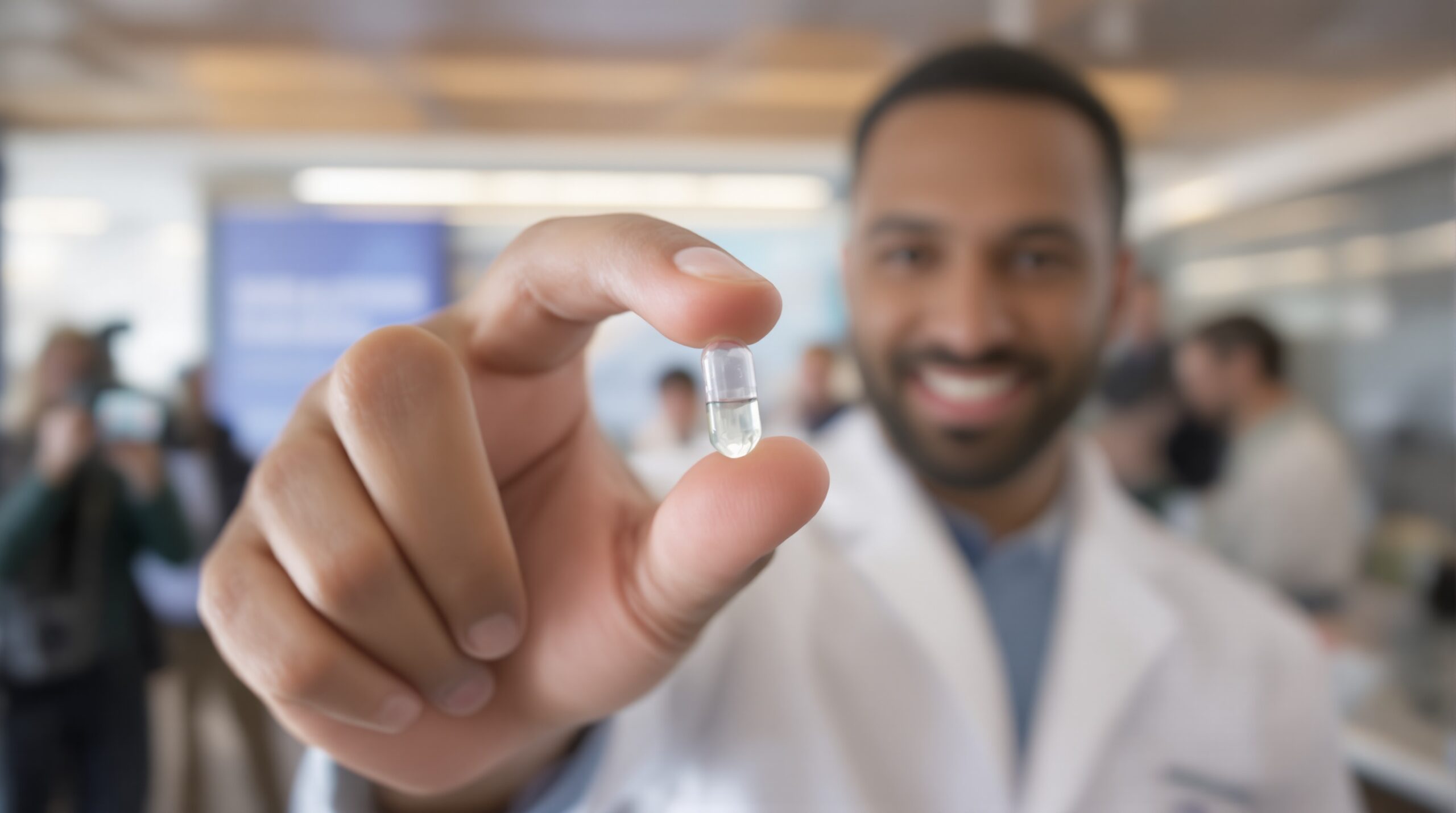
A biotech startup unveiled an oral insulin pill designed to survive digestion. It aims to deliver insulin without injections for people with diabetes. The approach could simplify daily care and reduce treatment burden. Early details highlight protective chemistry that shields insulin from stomach acids and enzymes.
The pill seeks to move insulin safely through the gastrointestinal tract. It then facilitates absorption into the bloodstream at targeted intestinal sites. Developers emphasize controlled release and stability under variable digestive conditions. Progress raises hopes, yet critical tests and approvals still lie ahead.
Why Oral Insulin Has Been So Hard
Insulin is a protein that stomach acid and digestive enzymes readily break down. Oral delivery faces low permeability across intestinal walls and rapid degradation. These barriers produce extremely low bioavailability with conventional formulations. Therefore, injections remain the standard for precise and reliable dosing.
Scientists have pursued oral insulin for decades with limited clinical success. Formulators tried enteric coatings, enzyme inhibitors, and absorption enhancers. However, side effects and inconsistent uptake often limited progress. The new pill builds on lessons from those earlier efforts.
The Startup’s Pill Design and Mechanism
The startup describes a capsule that protects insulin until it reaches the intestine. An enteric coating prevents dissolution in the acidic stomach environment. Inside, protective excipients stabilize insulin against heat, moisture, and proteolysis. Once past the stomach, pH changes trigger precise disintegration and release.
The formulation also uses permeation enhancers to promote epithelial transport. Mucoadhesive polymers may increase intestinal residence time and contact. Protease inhibitors further reduce enzymatic degradation during absorption. Together, these elements seek higher and more predictable insulin uptake.
Developers target portal delivery that mimics physiologic liver exposure. Oral dosing directs insulin first to the liver via the portal vein. This route could moderate systemic peaks and support glucose regulation. Designers highlight that advantage over subcutaneous injections’ peripheral distribution.
Early Evidence and Ongoing Studies
The company reports laboratory tests showing insulin integrity after simulated digestion. Bench studies assessed capsule dissolution, enzyme resistance, and release profiles. Animal models reportedly demonstrated glucose lowering after oral administration. However, peer-reviewed data and independent replication will be vital.
The startup indicates ongoing early human studies assessing safety and pharmacokinetics. Investigators are examining dose response, timing, and food effects. Endpoints include fasting glucose, postprandial control, and hypoglycemia frequency. Detailed results have not yet been broadly disclosed or scrutinized.
Safety, Dosing, and Variability Considerations
Safety remains central because enhancers and inhibitors may irritate the gut. Developers must balance absorption gains against gastrointestinal tolerability. Regulators will require careful monitoring for local and systemic adverse events. Longer studies must evaluate chronic use and cumulative exposure risks.
Dosing consistency presents another major challenge for oral insulin. Meals, gastric emptying, and intestinal transit time can vary widely. Formulators aim to reduce variability using controlled release and targeting. Clinicians will need guidance for timing doses relative to meals.
Potential Impact on Patients and Health Systems
If successful, an oral pill could reduce daily injections for many patients. It might improve adherence by removing needle pain and device handling. Better adherence often translates to improved glycemic control over time. Reduced complications could lower costs for patients and payers.
A pill could also ease training burdens for healthcare providers. Pharmacists might dispense therapy with simplified education and monitoring. However, patients would still require glucose monitoring and dose adjustments. Digital tools could support dosing and feedback to clinicians.
Regulatory Path and Manufacturing Challenges
Bringing oral insulin to market will require rigorous, staged clinical trials. Studies must demonstrate efficacy, safety, and consistent manufacturing quality. Regulators will evaluate immunogenicity risks and excipient safety profiles. Stability studies must address storage conditions, shelf life, and transport.
Manufacturing presents complex hurdles for large-scale biological formulations. Producers must ensure batch consistency, sterility, and precise encapsulation performance. Process controls need to maintain insulin integrity during mixing and filling. Supply chains must support cold or ambient handling, depending on final specifications.
How It Compares With Other Approaches
The pill competes with advanced injectors, pumps, and inhaled insulin options. Each approach offers trade-offs in convenience, accuracy, and cost. Insulin pumps provide precise basal delivery but require devices and supplies. Inhaled insulin avoids needles yet requires lung function screening and monitoring.
Oral GLP-1 drugs have improved convenience for some patients. However, they are not insulin and serve different therapeutic goals. An effective oral insulin would fill a distinct clinical role. It could pair with other agents within comprehensive treatment strategies.
Key Questions That Remain
- What level of bioavailability can the pill reliably achieve in diverse patients?
- How consistent is absorption with different meals, gastric conditions, and comorbidities?
- Can dosing algorithms handle variability without increasing hypoglycemia risk?
- Do permeation enhancers cause long-term intestinal changes or microbiome effects?
- How will costs compare with pens, pumps, and inhaled therapies over time?
- What storage conditions ensure potency across real-world supply chains?
- Will the pill work for both prandial and basal insulin needs?
- How will insurers evaluate coverage and prior authorization requirements?
- Can manufacturing scale without compromising capsule performance or consistency?
- When will peer-reviewed data clarify efficacy, safety, and durability?
What Comes Next
The startup plans to expand trials if early results support advancement. Next phases would refine dosing, eligibility, and combination therapy strategies. Collaborations with academic centers could strengthen study design and analysis. Transparent publication will help clinicians and patients judge value.
If outcomes meet endpoints, the company could pursue regulatory submissions. Approvals would trigger postmarketing studies to monitor real-world performance. Meanwhile, competitors will continue developing alternative oral and device approaches. Healthy competition may accelerate innovation and improve patient choice.
An oral insulin that survives digestion represents a notable milestone. It underscores progress in formulation science and targeted delivery. Patients need convenient options that also maintain reliable control. Robust evidence will determine whether this pill fulfills that promise.
