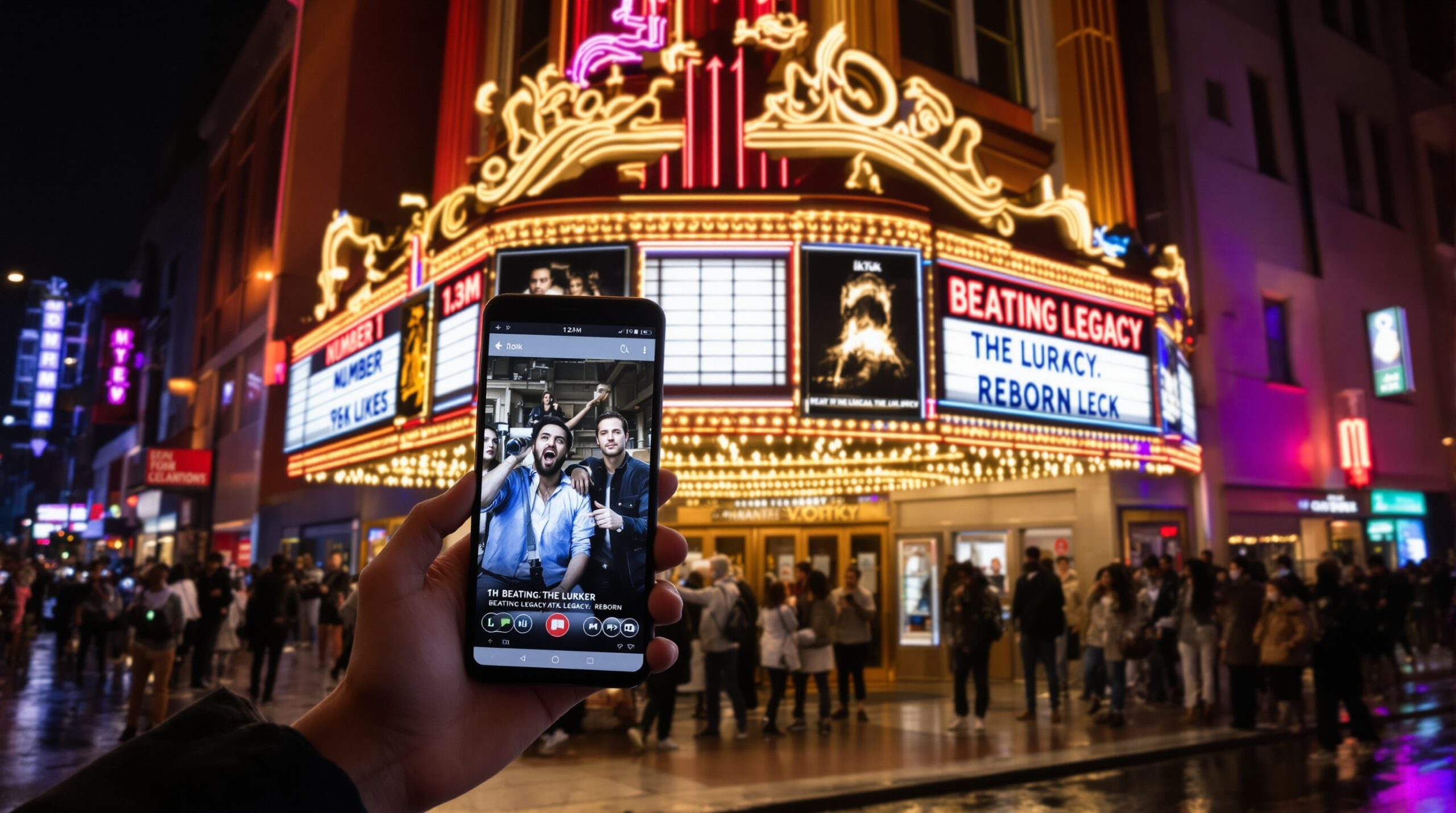
A low-budget horror film upended box office expectations and seized the top spot this weekend. The indie release outpaced a well-known franchise sequel, shocking forecasters and exhibitors with a rapid surge of audience interest. Social video, especially TikTok, propelled awareness, urgency, and theater turnout across demographics. The upset highlights a shifting marketplace where agility and authenticity can beat scale and continuity.
Early tracking models favored the sequel because of brand recognition and premium screen bookings. Yet actual consumer behavior leaned toward novelty, word of mouth, and participatory online culture. The indie feature earned strong Thursday previews and converted buzz into robust Friday walk-up traffic. That momentum carried through the weekend, while the sequel faded against heightened competition.
A Weekend Swing That Defied Tracking
Industry tracking often emphasizes prior comps, franchise awareness, and advertising spend. Those signals can overlook emergent chatter, meme potential, and creator-driven momentum. The indie’s campaign leaned on short clips, reaction videos, and spoiler-free challenges. That strategy harnessed curiosity and encouraged group attendance, which boosted late-week sales.
Meanwhile, the sequel followed a traditional path built around trailers, TV spots, and legacy fan engagement. That approach works when interest remains high, yet fatigue can undercut returns. The indie entry converted discovery into action with speed and relatability. As chatter spiked, exhibitors added showtimes and improved placements, which amplified visibility further.
TikTok’s Algorithm Turned Suspense Into Appointment Viewing
TikTok rewards content that sparks emotion, reaction, and repetition. Horror clips fit these mechanics through jump scares, reveals, and shared tension. Users stitched reactions, reenacted scenes, and remixed audio cues into viral challenges. That behavior created community rituals that extended well beyond official marketing pushes.
Short-form creators highlighted theater experiences without major spoilers, which preserved intrigue and payoff. The format also accelerated reach across micro-communities that traditionally sit outside horror’s core base. Each repost acted like an ad impression with social proof, which lifted intent among undecided viewers. The indie’s distributor amplified this energy with creator screenings and prompt asset clearances.
Importantly, TikTok also supports hyper-local discovery. Viewers saw nearby showtimes and invited friends directly from mobile feeds. That immediacy bridged online enthusiasm and physical attendance within hours. The dynamic flattened the advantage of big budgets and heavy network television buys.
Why Horror Keeps Outpacing Expectations
Horror delivers reliable theatrical value through communal engagement and low production costs. Audiences seek collective thrills, surprises, and cathartic laughter after scares. That energy translates best inside theaters, where sound and crowd reactions intensify each beat. The genre also benefits from creative constraints that encourage memorable concepts and bold execution.
Studios often pair horror with modest budgets and tight schedules, which improves return on investment. Strong concepts help trailers travel far without expensive spectacle. Word of mouth works quickly because reactions are visceral and easy to share. These strengths compound when platforms like TikTok accelerate clips into mainstream conversation.
The Franchise Sequel Miscalculated Its Moat
Franchise entries can struggle when prior chapters feel mandatory for comprehension. Casual viewers may skip if continuity seems confusing or stakes feel familiar. The sequel’s campaign emphasized returning characters and lore, which delighted core fans. However, that focus limited reach among audiences seeking something fresh and self-contained.
Release timing also complicated the sequel’s outlook. A crowded corridor drew spendy marketing fights across genres and ratings. Premium screens secured early bookings but rotated faster when attendance softened. The indie capitalized on standard auditoriums and flexible scheduling to win additional capacity.
Marketing Contrast Exposed Differing Assumptions
The sequel relied on top-down messaging and paid reach. The indie focused on bottom-up momentum and creator credibility. One approach bet on scale and familiarity; the other bet on participation and novelty. As the weekend unfolded, participation proved the stronger signal for turnout.
Release Strategy Shaped Audience Perception
A smaller rollout can concentrate demand and improve per-theater averages. Strong averages attract exhibitor attention and secondary coverage. Audiences interpret that scarcity as a quality cue, which increases urgency. The indie harnessed this loop while the sequel managed broader but thinner distribution.
The Anatomy of the Upset by the Numbers
Upsets like this usually feature standout per-screen averages versus larger competitors. Thursday previews punch above budget scale, then expand through positive Friday chatter. Saturday attendance often benefits from groups organizing after viral trends hit feeds. Sunday holds remain solid if the experience encourages repeat visits and referrals.
The sequel typically shows a sharper Friday-to-Saturday decline when competition intensifies. Franchise demand front-loads because fans buy early and attend first. Casual viewers hesitate if reviews feel mixed or continuity appears dense. That pattern puts pressure on multipliers and shortens theatrical legs.
Exhibitors respond to these signals quickly. They reassign auditoriums and add late shows where sellouts stack rapidly. Those adjustments magnify results across the second half of the weekend. In turn, improved visibility feeds new social clips and further discovery.
Exhibition and Streaming Implications
Exhibitors watch social momentum closely when allocating premium screens. Viral titles can justify extended runs and creative event programming. Specialty late shows, cosplay nights, and creator meetups deepen community engagement. Those events sustain admissions without large discounting or costly promotions.
For distributors, windows demand careful calibration. A fast streaming move can blunt word of mouth during crucial weeks. However, a precise premium video window can capture incremental demand efficiently. The indie’s momentum suggests discipline around exclusivity still matters for theatrical growth.
Lessons for Studios and Creators
- Design trailer moments that encourage reaction stitches and genuine surprise.
- Seed early screenings with creators who respect spoiler boundaries.
- Empower community managers to clear clips and sounds rapidly.
- Use scarcity strategically to drive per-theater averages and headlines.
- Measure creator affinity, not only ad frequency and recall lift.
- Build content kits for theaters to host interactive events.
- Track local momentum and shift showtimes dynamically.
Historical Echoes With Modern Twists
Horror has delivered surprising box office turns for decades. The Blair Witch Project showed how mystery fuels attendance with minimal spend. Paranormal Activity leveraged grassroots buzz and topped a Halloween weekend over a Saw sequel. Get Out demonstrated that bold perspective can break wide and hold strongly.
More recently, films like Smile, Talk to Me, and Barbarian gained momentum through viral reactions. Those campaigns embraced viewer participation and opaque reveals. The latest upset follows this lineage while harnessing TikTok’s faster amplification. The platform compressed the discovery-to-purchase timeline into a single, thrilling scroll.
Audience Psychology Drove the Turnout Surge
Audiences trusted peers more than polished ad spots during consideration. Short reactions conveyed authenticity faster than critic quotes or pull lines. Viewers also feared missing a collective moment that dominated feeds. That fear of missing out pushed undecided audiences toward near-term showtimes.
Crucially, spoiler-sensitive formats preserved mystery while promising satisfying shocks. The balance kept curiosity high across the weekend and beyond. When theater staff reported energetic crowds, those anecdotes became part of the narrative. Each layer reinforced the idea that this showing demanded attendance now.
What Comes Next for Both Titles
The indie film will seek strong holds and a measured screen expansion. Continued social engagement can sustain interest through weekday chatter. International rollouts may adapt creative assets to local creator ecosystems. Strategic dubs and captioning will help preserve timing and punchlines.
The franchise sequel still holds value with its core base. A refocused message can highlight standalone thrills and character moments. Midweek promotions and loyalty perks can stabilize attendance among fans. Future installments may simplify entry points and emphasize fresh hooks.
The Box Office Remains Unpredictable, Which Keeps It Exciting
This weekend’s reversal underscores a broader truth about theatrical markets. Audiences reward experiences that feel immediate, shareable, and communal. Creators who design moments for conversation can outrun larger competitors. Exhibitors who read signals quickly can turn sparks into sustainable flames.
Platforms will evolve, but the core advantage remains human connection. Horror thrives because it activates that connection in real time. A scream, a laugh, and a relieved sigh travel well between strangers. For now, the indie hit holds the crown, and the conversation keeps growing.
Studios will study the upset and recalibrate assumptions about risk and reach. Creators will fine-tune tactics that turn engagement into ticketed attendance. Exhibitors will plan flexible playbooks for rapid showtime pivots. The result should be a more responsive marketplace, ready for the next surprise.