

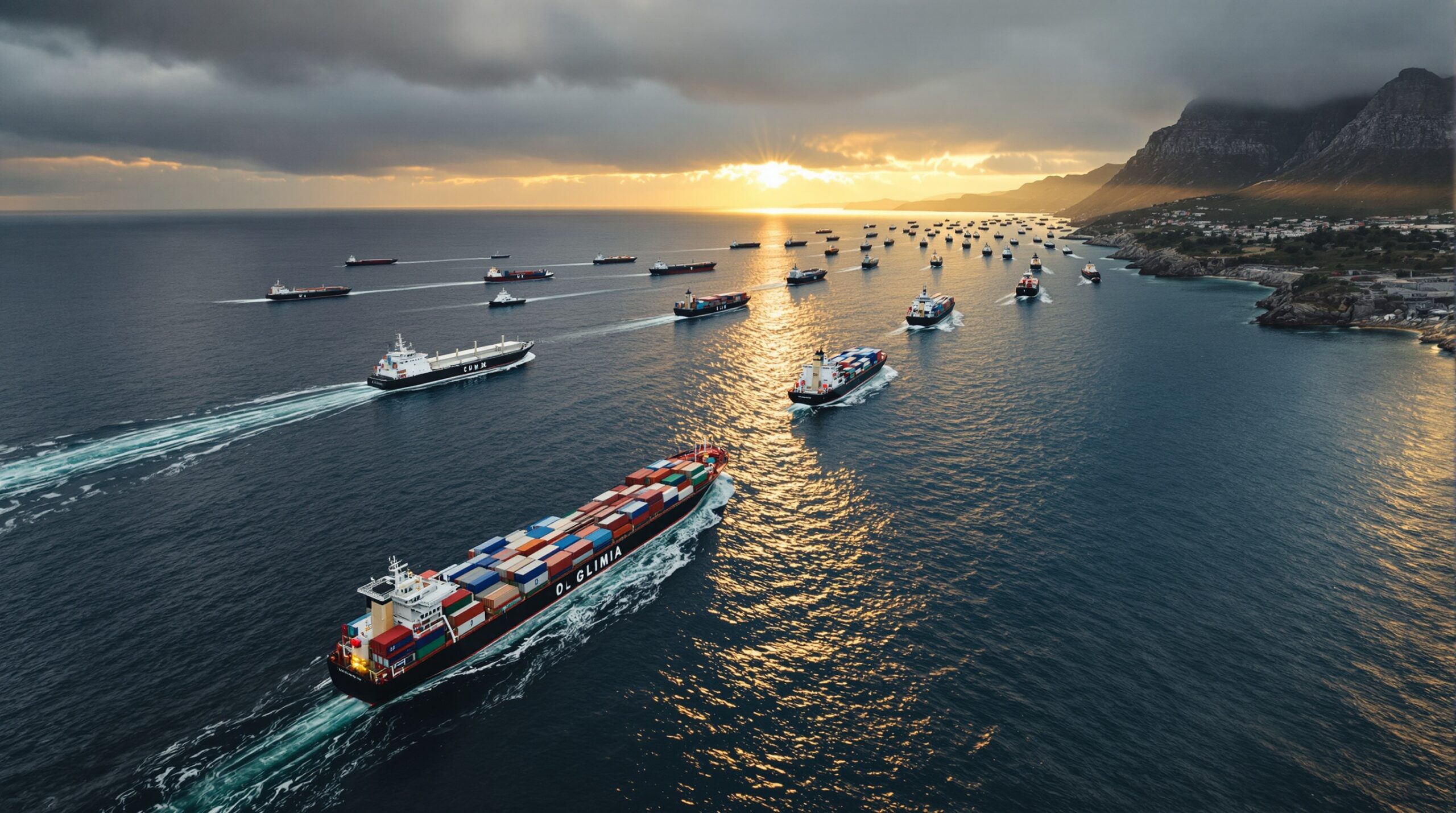
Global shipping networks face renewed disruption as tensions in the Red Sea intensify and risks escalate. Carriers have diverted dozens of services away from the Suez Canal, routing vessels around Africa’s Cape of Good Hope. The decision adds time, cost, and complexity to already fragile supply chains. It also reverberates through energy markets, port operations, and consumer prices worldwide.
The rerouting has created a cascade of scheduling challenges for carriers and shippers alike. Transit times have lengthened, capacity has tightened, and reliability has slipped again. As the situation persists, stakeholders are reassessing risk, inventory strategies, and transport modes. The industry is adapting, yet costs and uncertainties remain high.
Why the Red Sea Matters
The Red Sea connects the Mediterranean Sea to the Indian Ocean via the Suez Canal. The corridor serves as a vital shortcut between Asia and Europe, and also links the Persian Gulf to Western markets. The Suez Canal handles a significant share of global trade and container volumes. Its strategic importance makes disruptions here especially consequential for international logistics.
Vessels transiting the region pass through the Bab el-Mandeb strait, a narrow maritime chokepoint. This geography concentrates traffic and heightens exposure to security threats and weather. When risks rise, carriers often prefer longer but safer passages. That choice ripples across shipping schedules and global supply chains.
Escalating Security Risks and Operational Responses
Commercial vessels have faced missile and drone threats in the southern Red Sea. Several operators paused transits and redeployed ships to alternative routes. Naval forces increased patrols and escort operations to deter attacks. Insurers raised war risk premiums, further lifting voyage costs. With risks elevated, many lines adopted precautionary diversions to protect crews and cargo.
Maritime security advisories urged heightened vigilance, speed adjustments, and route changes. Owners installed additional defensive equipment where feasible, while maintaining regulatory compliance. Ports near the region reviewed berthing protocols and terminal security. Despite mitigation efforts, perceived danger has kept many carriers away. This calculus continues to shape network decisions and service planning.
Rerouting Around Africa’s Cape of Good Hope
The diversion around Africa adds thousands of nautical miles to Asia–Europe voyages. Depending on speed and weather, detours extend transit times by one to three weeks. Fuel consumption increases significantly, raising emissions and operating costs. Crews face longer rotations, and vessels spend more days at sea. These factors reduce schedule flexibility and complicate maintenance windows.
Port calls bunch as ships arrive off-schedule at destination gateways. Terminals manage unexpected surges followed by lulls, straining yard capacity and labor. Feeder networks struggle to align with delayed mother vessels. Inland transport providers see fluctuating volumes and shifting booking patterns. Consequently, reliability metrics have deteriorated on key east–west lanes.
Freight Rates, Surcharges, and Effective Capacity
Longer voyages tie up ships for additional days, reducing effective global capacity. Analysts have estimated sizable capacity absorption on Asia–Europe services. Fewer weekly sailings and longer round voyages constrain available slots. Spot freight rates have climbed as space tightens and risks linger. Carriers implemented war risk, contingency, and Cape of Good Hope surcharges.
Bunker adjustment factors rose with higher fuel burn and longer distances. Contract customers faced premium bookings to secure reliable liftings. Blank sailings and ad hoc schedule changes complicated planning for shippers. Some shippers shifted to premium ocean products to protect timelines. Others diversified carriers to hedge against rolling and routing changes.
Knock-On Effects for Global Supply Chains
Manufacturers in Europe reported component shortages as lead times extended. Retailers adjusted promotional calendars to accommodate late seasonal goods. Automotive supply chains navigated tighter buffers and production rescheduling. Fashion and electronics brands prioritized urgent cargoes, reallocating inventory by market. These adjustments helped, but costs rose and flexibility declined.
Airfreight absorbed some urgent shipments, especially high-value or time-sensitive goods. Rates increased on lanes connecting Asia, the Middle East, and Europe. The Eurasian rail land bridge offered a partial release valve for certain goods. However, available capacity remained limited compared with ocean volumes. Consequently, many shippers accepted longer ocean transits and elevated costs.
Energy and Commodities Flows Under Strain
Crude and product tankers reassessed Suez transits due to regional risks. Some voyages shifted to the Cape route, lengthening tonne-miles and voyage times. Freight markets reacted to changing balances between vessel supply and demand. LNG carriers carefully evaluated weather, security, and schedule commitments before transiting. Commodity traders recalculated arbitrage opportunities as delivery windows stretched.
Refinery runs and storage decisions reflected these shifting shipping dynamics. European importers faced longer replenishment cycles for certain grades. Middle Eastern exporters adjusted loading schedules to match longer voyages. Freight differentials fluctuated with each route change and convoy update. As conditions evolved, energy logistics remained finely balanced and sensitive to headlines.
Regional Winners and Losers Among Ports and Canals
The Suez Canal witnessed reduced container and tanker transits during heightened risk periods. Lower toll revenues affected regional economic planning and government budgets. Mediterranean transshipment hubs experienced blank sailings and schedule unevenness. Gulf and Red Sea ports saw diverted calls and reworked rotations. The disruption reshaped port throughput and equipment repositioning patterns.
By contrast, bunkering hubs outside the Red Sea saw increased demand. Singapore handled more refueling as ships prepared for longer legs. West African and South Atlantic waypoints attracted opportunistic calls and crew changes. Southern African waters hosted more traffic, despite regional weather and congestion challenges. These shifts highlighted the network’s adaptability and fragility.
Carrier Networks and Operational Strategies
Alliances rewrote service strings to maintain weekly departures where possible. Operators added ships to loops to keep frequency intact. Some lines adopted faster steaming on select legs to recover schedules. Others favored slow steaming to manage fuel costs and emissions. Each tactic involved trade-offs in reliability, cost, and vessel availability.
Equipment imbalances intensified as boxes lingered on longer voyages. Leasing markets tightened for standard and specialized containers. Yard operations focused on quick turns and prioritized exports with confirmed loadings. Digital tools helped allocate equipment and forecast bottlenecks. Close collaboration with customers became essential to minimizing disruption.
Environmental Implications of Longer Routes
Detours around Africa generally increase greenhouse gas emissions per transported unit. Longer distances and higher speeds magnify fuel consumption. Some carriers offset increases by slow steaming and voyage optimization. Others trialed biofuel blends to reduce lifecycle emissions. The net effect remained unfavorable compared with normal Suez transits.
Shippers monitored carbon footprints tied to extended routes and mode shifts. Sustainability teams updated targets and procurement guidelines accordingly. Regulatory frameworks continued to press for decarbonization despite disruptions. The situation underscored the value of efficiency and resilient routing. It also highlighted the limits of contingency plans during security crises.
Insurance, Contracts, and Legal Considerations
War risk premiums rose, reflecting elevated threat assessments in the region. General average clauses and deviation rights became topics in contract reviews. Charter parties clarified cost-sharing for route changes and delays. Cargo insurance terms received scrutiny for political risk and delay coverage. Legal advisors urged clear communication and documentation throughout the chain.
Force majeure claims required careful interpretation under governing law and case specifics. Many parties preferred negotiated adjustments instead of formal disputes. Transparent evidence of causation and mitigation supported constructive outcomes. Industry bodies circulated guidance to reduce ambiguity and conflict. These steps helped maintain commercial relationships under stress.
Practical Steps for Cargo Owners
Shippers can cushion impacts by diversifying routings and carriers where feasible. They should increase safety stocks for critical components and seasonal items. Booking earlier and securing premium services can protect transit times. Mode shifting to air or rail works for high-value or urgent goods. Collaboration with suppliers helps synchronize production with longer lead times.
Enhanced visibility tools improve planning and exception management. Dynamic reorder points reflect longer and more variable transit times. Contracts should address surcharges, deviation rights, and service contingencies. Finance teams must model cash flow effects from inventory and freight changes. Together, these actions strengthen resilience during prolonged disruptions.
Outlook and Scenarios
If security conditions improve, carriers can gradually return to Suez transits. Restoring reliability would still require weeks of schedule recovery. Backlogs at origin and destination ports could complicate the ramp-up. Rate normalization would likely lag as capacity redeploys. Even then, risk premiums might persist for some time.
If tensions endure, elevated costs and longer lead times may become entrenched. Carriers would continue optimizing loops and asset deployment under constraints. Shippers would maintain higher inventories and diversify supply routes. Modal shifts would persist for select commodities and lanes. The industry would internalize new patterns until conditions change again.
Either outcome underscores the strategic value of the Red Sea corridor. The episode reveals how concentrated trade flows amplify systemic risk. It also highlights the necessity of adaptable networks and transparent information. Stakeholders that invest in resilience gain a durable competitive edge. With preparation, supply chains can bend without breaking during future shocks.
Global shipping has always balanced risk, efficiency, and cost under uncertainty. The current Red Sea crisis forces difficult trade-offs and rapid adjustments. Longer routes around Africa keep goods moving but strain the system. Coordination, data, and disciplined planning now matter more than ever. The choices made today will shape logistics performance for years ahead.
