

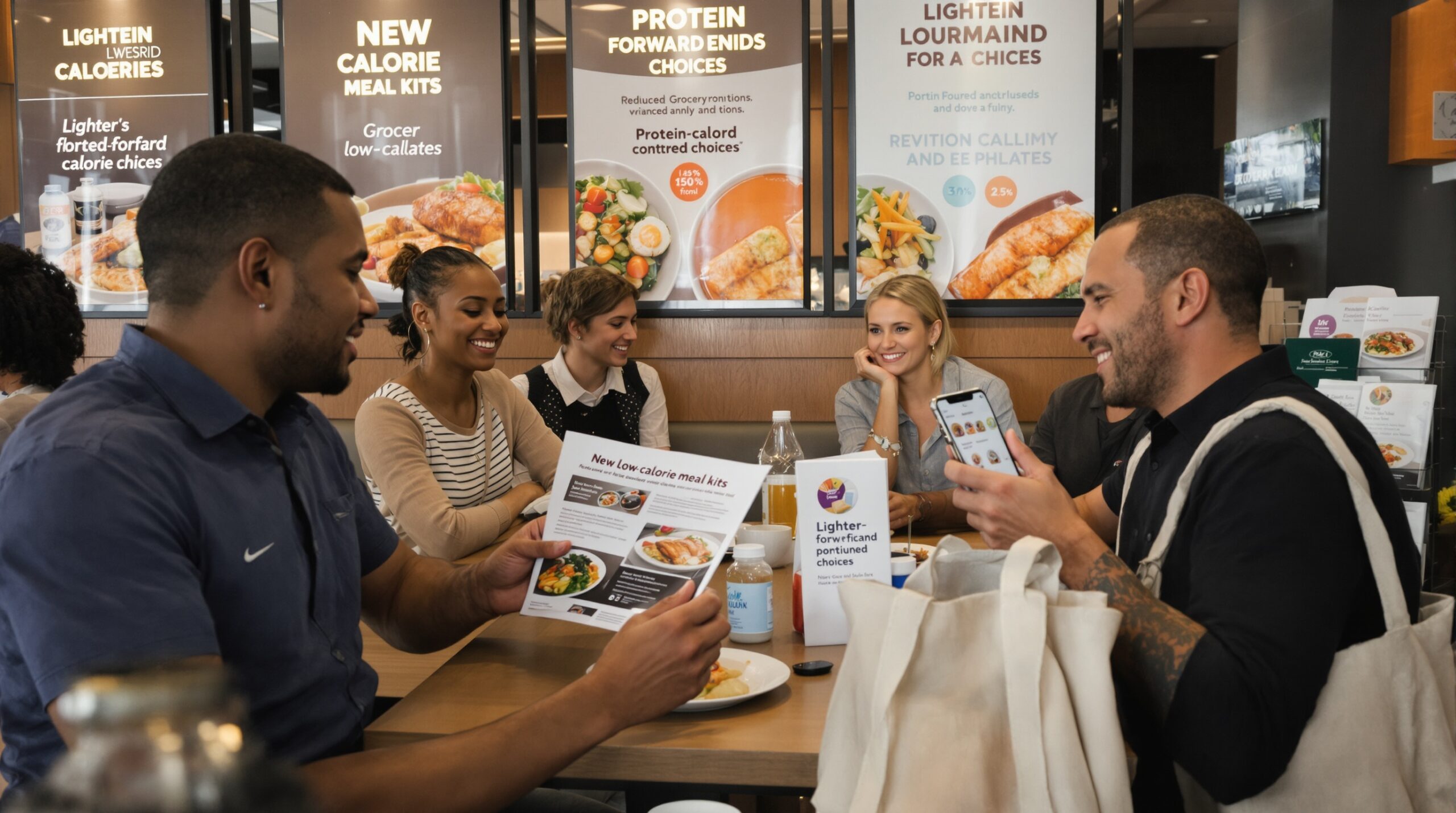
Powerful weight-loss drugs are changing how Americans eat, shop, and order. These medicines reduce appetite and change cravings. Those shifts ripple across restaurants, supermarkets, and packaged food brands. Businesses are adjusting menus, package sizes, and marketing language. The result is a quiet redesign of the modern food economy.
The appetite shift driven by GLP-1 medications
Drugs like semaglutide and tirzepatide help people feel full sooner. Brands include Ozempic, Wegovy, Mounjaro, and Zepbound. Prescriptions have grown quickly as doctors treat diabetes and obesity. Patients often eat smaller portions and snack less. They also report reduced cravings for sweets and alcohol.
These biological effects connect directly to menus and grocery baskets. Lower appetite can change category demand and product sizing. Retailers and restaurants must adapt or risk softer sales. Food companies see a clear signal to reformulate and reposition. This medical trend is now a commercial force.
Restaurant menus respond to smaller appetites
Smaller portions and shareable plates
Many diners on these drugs prefer smaller, satisfying portions. Restaurants are testing half portions, mini sides, and shareable plates. Tasting menus now highlight fewer bites with higher quality. Some casual chains emphasize bowls over oversized platters. That shift preserves value while matching reduced intake.
Menu engineering supports this evolution. Operators showcase portion choices near prices to guide selection. Clear sizing helps guests avoid waste and guilt. It also lets kitchens manage food cost and margin. The guest experience remains indulgent, yet calibrated.
Protein-forward and fiber-rich options
Customers using GLP-1 drugs often prioritize protein to maintain muscle. Restaurants answer with grilled meats, legumes, and higher-protein grains. Chefs add fiber through vegetables, pulses, and whole grains. These ingredients support fullness and balanced nutrition. They also align with broader wellness trends.
Menus highlight grams of protein and whole-food sourcing. Descriptions emphasize satiating textures and simple preparations. Kitchens lean into bowls, salads, and plate combinations. Sides feature beans, greens, and roasted vegetables. The tone is satisfying, not punitive.
Beverage lineups and dessert strategies
Lower appetite often means fewer sugary beverages. Operators expand zero-sugar sodas, flavored seltzers, and herbal teas. Mocktails with bitters, citrus, and botanicals carry flavor without sugar. Bars rework recipes to limit added sweeteners. Portion-controlled desserts meet diners where they are.
Mini desserts, fruit-forward options, and split servings encourage trial. Servers frame desserts as sharable add-ons, not mandatory courses. That framing preserves check averages without pressure. It also respects changing preferences among diverse guests. Hospitality adapts without judgment.
Pricing, value, and menu design
Smaller portions require careful value communication. Restaurants pair smaller mains with premium ingredients and craft preparation. Bundles offer flexible sides, like greens or grains. Transparent calorie data supports confident decisions across courses. Visual menus reduce choice overload and guide faster decisions.
This approach can protect margins in a shifting market. It also stabilizes demand across dayparts and categories. Operators balance indulgence with restraint while preserving ritual. The experience stays celebratory, even with fewer bites. Design does heavy lifting.
Grocery aisles and brands pivot marketing
“GLP-1 friendly” positioning and careful claims
Food brands now reference satiety, balance, and sugar reduction. Some products address consumers using GLP-1 medications. Marketers avoid disease claims and medical promises. FDA and FTC rules govern labeling and advertising. Companies emphasize nutrition facts, not drug outcomes.
Clear labels highlight protein, fiber, and lower added sugars. Packaging avoids implying enhanced drug effects. Instead, brands position supportive choices for smaller appetites. That framing fits wellness trends without legal risk. Compliance remains a competitive advantage.
Portion control and pack sizes
Shoppers with reduced appetite prefer smaller packs and single-serves. Grocery brands expand mini portions across snacks and desserts. Freezer cases add smaller entrees with higher protein. Resealable packaging reduces waste and preserves freshness. That matters when meals stretch longer.
Clubs and value channels test mixed-size assortments. Variety packs provide novelty without large commitments. This balances discovery with mindful intake. Retailers optimize shelf sets to display portion choices. Clear price-per-unit comparisons support value perception.
Private label innovation and new brands
Retailers accelerate private label development in protein-forward categories. Items include high-protein yogurts, frozen bowls, and low-sugar beverages. Store brands move quickly on claims and pack formats. National brands respond with renovated recipes and line extensions. Competition raises aisle standards.
Large manufacturers test launches targeting GLP-1 users. In 2024, Nestlé introduced Vital Pursuit meals. The line spotlights higher protein and portion control. It aims to complement medical weight management. Expect more entrants as demand clarifies.
Digital marketing, data, and personalization
Grocery apps steer shoppers toward aligned choices. Filters enable high-protein, low-sugar, and balanced carts. Retailers use loyalty data to refine assortments. Promotions favor items that fit smaller appetites. Personalized recommendations reduce decision fatigue for busy households.
Content also evolves alongside commerce. Retailers publish meal plans with smaller portions. Recipes center on satiety, fiber, and convenience. Shoppable lists support consistent adherence during busy weeks. Digital touchpoints become nutrition coaches.
Early signals from retail and foodservice data
Executives are watching purchasing metrics closely. A Walmart leader reported slightly smaller baskets among GLP-1 users. Beverage and snack makers note potential category impacts. Some report minimal effect so far across portfolios. Analysts continue monitoring volume trends and mix shifts.
Scanner data can lag behavior change. However, product development decisions are moving now. Companies hedge by building versatile offerings. These items appeal widely, not only to patients. That strategy reduces risk during uncertain adoption curves.
Opportunities and risks for food companies
Appetite suppression can pressure high-calorie indulgences. Categories like premium desserts may see softer velocities. Yet snacking still matters between smaller meals. Brands crafting protein-rich, portioned snacks can win. The same holds for lower-sugar beverages.
Reformulation offers upside and complexity. Reducing sugar while maintaining flavor requires expertise. Fiber enrichment must avoid gritty textures. Protein fortification can challenge taste and cost. Successful brands invest in culinary science and sensory testing.
Supply chains also adapt to new demand shapes. Smaller packs increase packaging and logistics complexity. Forecasting must account for portion variability. Retailers and suppliers share data to reduce waste. Agility becomes a core capability.
Equity, access, and ethical messaging
Marketers face sensitive cultural terrain. Messaging should avoid stigma around body size or hunger. Communications can emphasize energy, strength, and balance. Inclusive imagery reflects diverse ages and communities. Clear nutrition guidance supports informed decisions.
Affordability remains crucial for adoption. Smaller packages should not raise unit costs unfairly. Retailers can offer tiered options across price points. Community programs can address nutrition security alongside medicine. Ethical choices build long-term trust.
What to watch next
Insurance coverage will shape adoption and behavior. Broader reimbursement could amplify category shifts. Limited coverage could concentrate effects among higher incomes. Adherence will also influence food patterns. Many people discontinue due to side effects or cost.
New formulations will matter for convenience. Oral versions could expand usage beyond injections. That could deepen demand for supportive foods. Competition may also lower costs over time. Market breadth would then expand further.
Restaurants will keep refining formats. Fast-casual concepts suit modular, portioned meals. Full-service dining will elevate compact indulgence. Bars will grow no- and low-alcohol programs. Dessert menus will favor small, sharable delights.
Grocers will sharpen navigation and guidance. Shelf tags can highlight protein, fiber, and added sugars. Apps will personalize baskets by goals. Private label will continue launching targeted lines. National brands will answer with faster innovation.
This shift touches every aisle and course. Weight-loss drugs are not a passing fad. They are a structural demand factor. Food businesses that listen will adapt successfully. The plate is changing, one smaller bite at a time.
