

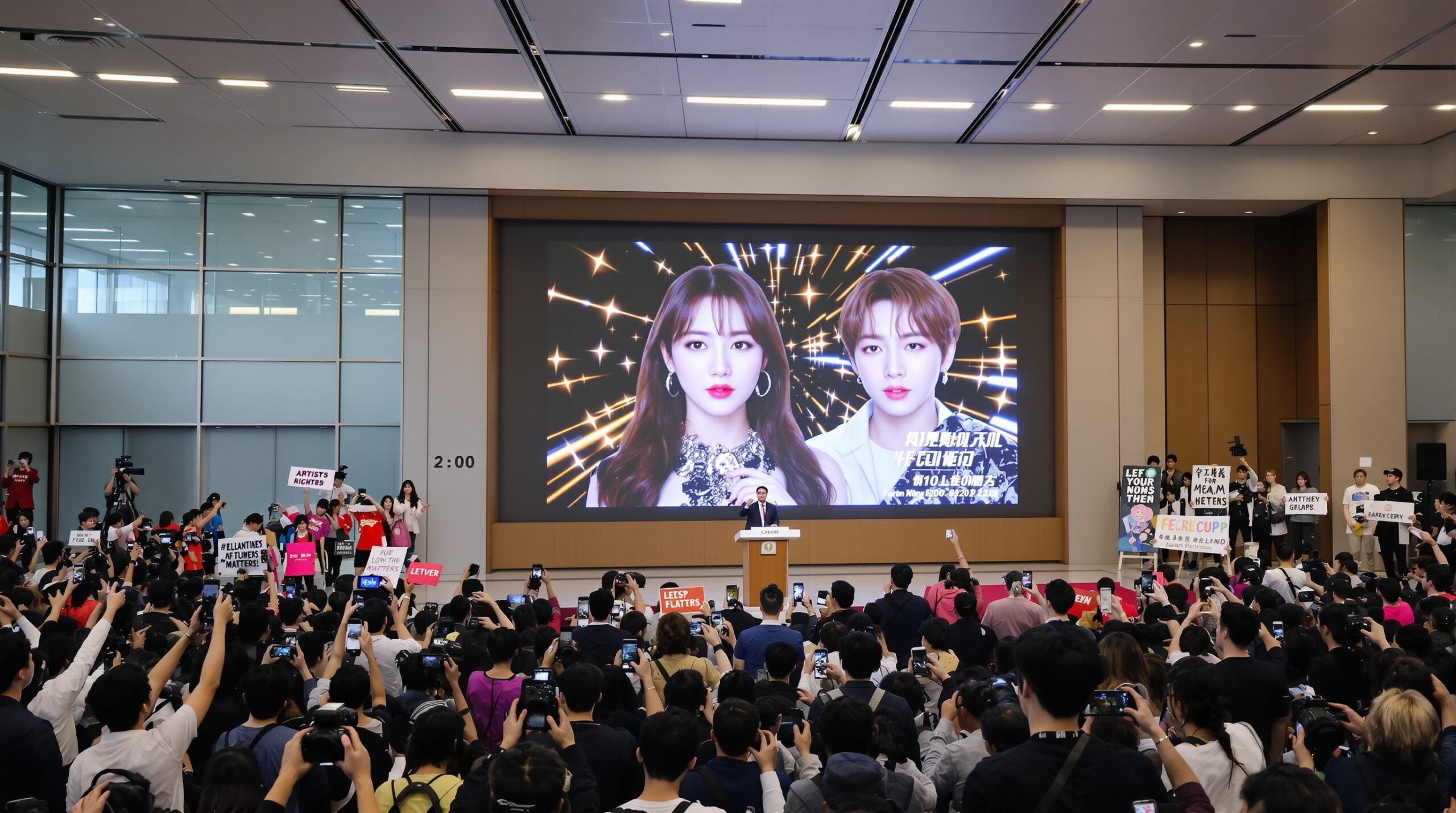
A leading K-pop label has unveiled an AI-assisted virtual idol group, thrusting the industry into a heated debate. Fans celebrate technological spectacle while questioning artistic authenticity and accountability. Artists, producers, and lawyers weigh the implications for creative labor and rights management. The launch highlights fast-changing production tools and evolving performance norms. It also exposes long-standing tensions within the trainee system and fandom culture. The stakes feel significant for Korea’s cultural exports and global music governance.
Virtual idols are not entirely new to pop or K-pop. However, fully AI-assisted pipelines heighten both fascination and concern. This debut arrives as virtual groups gain visibility across streaming platforms and live events. Supporters see creative innovation and inclusive access for global audiences. Critics fear diluted artistry and weakened protections for human performers. The conversation now shifts toward standards, transparency, and accountability.
What Defines an AI-Assisted Virtual Idol Group
AI-assisted virtual idols mix human inputs with algorithmic generation across vocals, visuals, and choreography. Teams often use motion capture, vocal synthesis, and real-time rendering. Producers may generate faces or avatars using 3D engines and machine learning. Some projects rely on human singers while avatars front performances. Others synthesize vocals and languages using cloned or modeled voices. Transparency varies, which fuels confusion and fan disputes.
K-pop has already explored adjacent models. Aespa pairs human members with virtual counterparts. Groups like SUPERKIND blend human idols and a virtual member. Eternity uses AI-generated faces with human vocal performances. MAVE: showcases hyperreal avatars in immersive settings. These examples illustrate multiple production architectures. The new debut pushes further into algorithmic pipelines and automated creative assistance.
Technical Foundations and Production Workflow
Studios integrate several technologies to deliver virtual idol performances. Diffusion models generate images and textures for avatars. Neural rendering supports facial animation and lip sync. Motion capture drives choreography with precise timing and style. Audio models clone voices or create multilingual delivery. Real-time engines produce concerts and livestreams with interactive elements. Data pipelines stitch these components into a cohesive show.
These tools promise flexibility, speed, and consistent branding. Teams can update styling quickly across platforms and languages. They can prototype concepts without scheduling large physical productions. However, production still relies on human direction, curation, and quality control. Artists, engineers, and choreographers refine outputs through iterative feedback. The result reflects human taste encoded through tools. Clear credits help audiences understand those contributions.
Authenticity and the Meaning of Performance
Authenticity remains the central friction for fans. K-pop builds intimacy through parasocial relationships and live engagement. Fans value vulnerability, growth, and skill development. Virtual idols complicate that narrative with controlled personas and optimized aesthetics. AI assistance can produce pristine vocals and synchronized visuals. Yet audiences still seek human stories and creative risk. Transparency can bridge the gap when marketed thoughtfully.
Some projects disclose human performers behind avatars. Others clarify where models generate or enhance content. Labels increasingly publish production notes and credit lists. This clarity helps fans interpret what they watch and support. It also respects the human talent shaping the experience. The debut has intensified calls for uniform disclosure standards. Those standards could build trust across markets.
Artist Rights and Consent in the AI Era
Artist rights sit at the heart of policy and practice. Likeness, voice, and performance capture involve personal data. Contracts must define consent for training, modeling, and reuse. Artists should understand the scope of their digital replicas. They need options to revoke or limit future exploitation. Compensation terms should match the ongoing value of their digital likeness. Transparency supports ethical deployment across projects.
Right of publicity and privacy laws offer partial guidance. Korean courts recognize personality interests in commercial contexts. However, AI introduces complex derivative uses across borders. Industry contracts therefore carry heightened responsibility. Clear terms should address model training, derivative works, and retention periods. Labels can also provide audit trails and data governance controls. These measures align with broader privacy expectations.
Vocals, Composition, and Ownership Questions
Copyright hinges on human authorship in many jurisdictions. Purely AI-generated material may lack protection. When humans guide models, authorship can still apply. Credits should identify writers, producers, and vocal performers. Voice cloning introduces additional rights and duties. Singers may license timbre while retaining performance rights. Contracts should separate timbre licenses from composition and master rights.
Collecting societies face practical challenges for tracking hybrid works. Accurate metadata helps route royalties to contributors. Watermarks and model cards can support identification. Labels should capture stems and prompts for documentation. That record supports dispute resolution and archival needs. It also encourages responsible iteration across releases. Clear attribution honors the human creative core.
Fan Reception and Market Response
Fan responses show both enthusiasm and skepticism. Some embrace accessibility, multilingual content, and consistent engagement. Others worry about parasocial manipulation without real accountability. Touring plans create additional tension around presence and liveness. Virtual concerts offer creative possibilities and lower costs. Yet many fans still prioritize human performances and spontaneous moments. Community trust depends on honest marketing and clear labeling.
Global platforms magnify every launch and misstep. Controversies spread quickly across social channels and fan communities. Labels can mitigate backlash with proactive communication. They should describe workflows and credit teams visibly. Fan councils and Q&A sessions can build understanding. Measured rollout strategies encourage longer-term acceptance. Transparency remains the best hedge against confusion.
Regulatory and Industry Standards Emerge
Policy signals now shape industry planning. International bodies debate AI governance and creative rights. The European Union has advanced comprehensive AI rules. Other jurisdictions explore disclosure and data protections. Korea continues refining entertainment contract standards. Sector groups discuss watermarking and credit frameworks. Labels increasingly test ethical guidelines alongside technical safeguards. These developments inform practical guardrails for K-pop.
Standards can reduce legal risk and fan confusion. Disclosure labels for AI-assisted content provide a simple start. Model documentation clarifies training sources and limitations. Third-party audits can certify compliance claims. Cross-border releases benefit from interoperable metadata. Industry alignment helps smaller agencies navigate complexity. Shared norms also support fair competition and innovation.
Economics, Labor, and the Changing Studio
Producers tout efficiency and scalability for virtual idols. Pipeline investments can amortize across multiple acts. Avatars avoid certain scheduling and travel constraints. However, specialized staff and compute resources add costs. Human oversight remains essential for brand direction and style. New roles emerge across data curation, ethics, and real-time production. Training and retention strategies therefore become strategic priorities.
Labor concerns deserve serious attention. Automation can displace session work and background roles. It can also create new creative and technical careers. Equity requires pathways for reskilling and fair compensation. Agencies can partner with universities and training programs. Transparent staffing plans support workforce stability. Sustainable adoption depends on shared benefits across teams. Balanced strategies will strengthen public support.
Cultural Context Within the K-pop System
K-pop emphasizes precision performance, visuals, and transmedia storytelling. Virtual idols align with that integrated production ethos. Trainee systems already structure brand development and lore. Avatars extend those narratives across platforms and languages. Yet audience investment still centers human journeys and growth arcs. Virtual formats must honor those expectations to succeed. Blended models may offer a workable compromise.
Collaborative stages between human idols and avatars show promise. They highlight choreography while preserving live charisma. Behind-the-scenes content can showcase human creators and performers. Reality formats may feature the teams powering virtual acts. This approach retains K-pop’s community-building strengths. It also advances technical artistry in a transparent way. Such hybrids could define the next wave.
Best Practices for Responsible Deployment
Several practices can build trust from debut onward. First, disclose AI assistance clearly across media. Second, credit human contributors comprehensively and consistently. Third, obtain explicit consent for voice and likeness modeling. Fourth, implement opt-out and revocation mechanisms. Fifth, document training data and model versions. Sixth, watermark AI-assisted assets where feasible. Seventh, conduct periodic ethics reviews with external advisors.
Labels should also establish artist-first compensation structures. Revenue shares can reflect ongoing use of modeled likenesses. Bonuses can reward milestone contributions and creative stewardship. Dispute resolution pathways should be accessible and fast. Fan feedback loops can refine transparency practices. These mechanisms support stable growth and reputational resilience. Responsible rollout paves the way for long-term success. It also aligns innovation with cultural values.
Outlook After the Debut
The new AI-assisted group has expanded possibilities for K-pop production. It has also sharpened debates about authenticity and rights. The market will test these models over time. Successful acts will integrate transparency and human storytelling. Clear contracts and standards will guide sustainable adoption. Fans will reward honesty and creative experimentation. The industry now faces a pivotal learning period.
Innovation and ethics need not conflict in K-pop’s next chapter. With transparent practices, virtual idols can enrich the ecosystem. With fair compensation, artists can share in new value. With careful governance, labels can reduce legal risk. With open dialogue, fans can embrace new formats. This debut has started an important conversation. The future depends on choices made now.
