

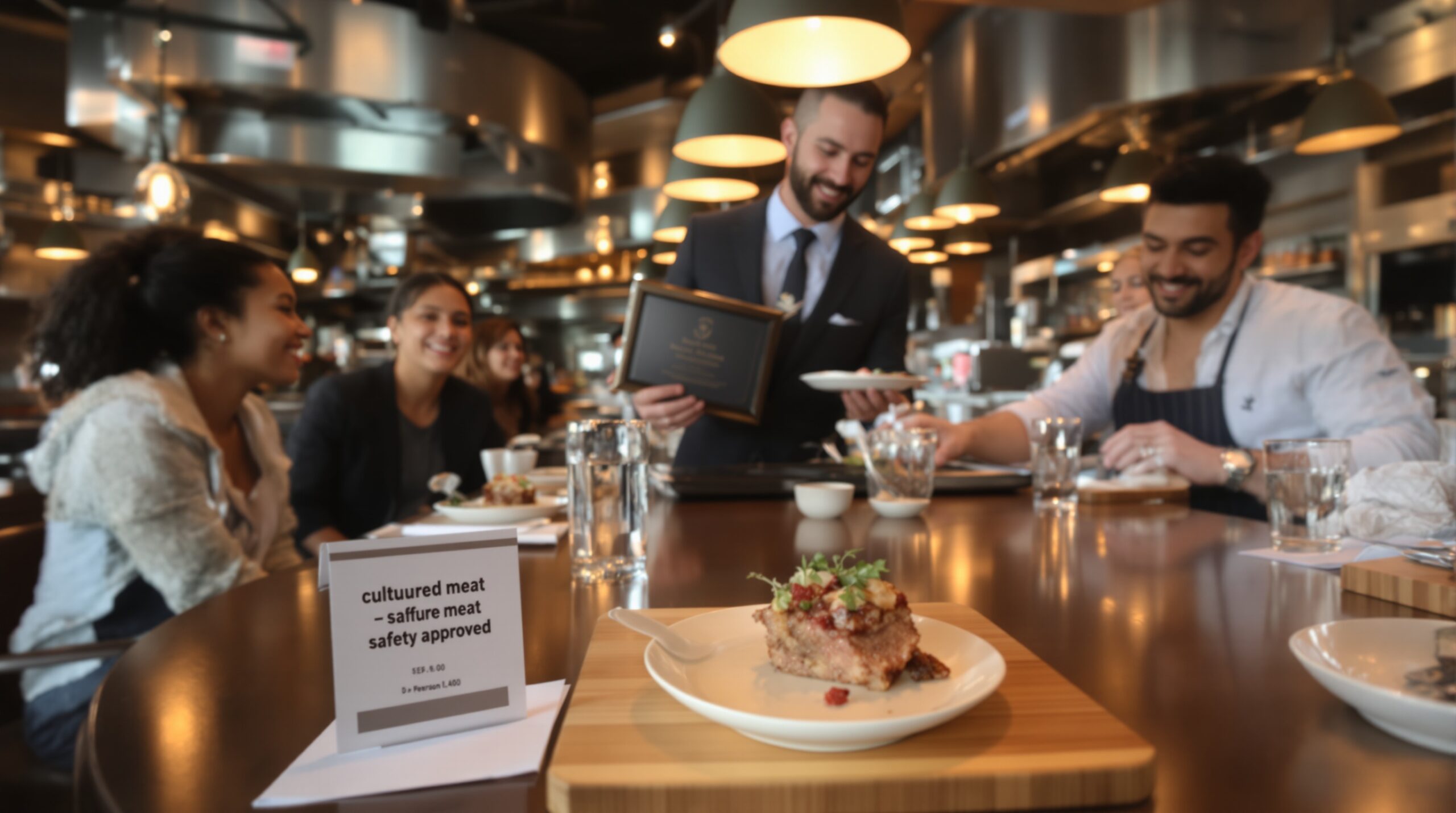
Regulators have given cultivated meat a critical green light in a major market. The clearance followed a comprehensive safety review focused on how producers grow animal cells into meat. This decision opens the door to controlled tastings at select restaurants. It also signals momentum for a new protein category entering mainstream dining.
What the Safety Review Actually Means
Food regulators completed a premarket safety consultation for cultivated chicken. They reviewed the production process, ingredients, and potential hazards. Officials issued a “no questions” conclusion about the company’s safety framework. That outcome means regulators accepted the company’s conclusions about safety.
The review did not serve as a blanket approval for all cultivated meats. It addressed one company’s specific product and process. The conclusion marked a major step because it validated safety under rigorous scrutiny. It also provided a template other producers can follow.
The United States Regulatory Pathway
In the United States, two agencies share oversight of cultivated meat. The FDA oversees cell collection, growth, and harvest steps. The USDA’s Food Safety and Inspection Service oversees processing and labeling for meat and poultry. The agencies coordinate under a formal agreement.
The safety consultation occurs with the FDA before harvest. After that review, companies seek a USDA grant of inspection for facilities. USDA also reviews labels and ongoing plant inspection plans. This sequence enables legal sale and service to consumers.
Regulators have now moved through these steps for cultivated chicken. Companies received the FDA’s “no questions” letters and USDA approvals. That progress enabled limited restaurant tastings under inspection. The pathway still requires strict controls during early rollouts.
First Tastings Move From Concept To Plate
Following regulatory milestones, restaurants organized small tasting events. Chefs introduced cultivated chicken to diners through curated menus and set seatings. Some events used reservation lotteries to manage demand. Organizers showcased dishes that highlighted texture and culinary performance.
Chefs framed the tastings as educational experiences. They explained sourcing, regulation, and cooking methods to guests. Producers supplied traceable batches from inspected facilities. Teams documented handling and temperatures like any other meat service.
These tastings remain limited in size due to supply constraints. Companies are still scaling production and refining logistics. Restaurants selected menus that work with available quantities. Early feedback will inform future offerings and formats.
How Cultivated Meat Is Actually Made
Producers start with animal cells that can grow and differentiate. They place the cells in sterile vessels called bioreactors. The cells bathe in a nutrient-rich culture medium. That medium provides amino acids, sugars, fats, vitamins, and minerals.
Companies guide cells to form muscle and fat tissues. Some use edible scaffolds to support three-dimensional growth. After enough tissue forms, teams harvest and process the biomass. The result can resemble ground meat or structured cuts, depending on techniques.
Process control is central throughout production. Operators monitor temperature, pH, oxygen, and cell metabolism. They manage sterility to prevent contamination. Food safety plans cover every step from seed cells to final packaging.
What Regulators Assessed for Safety
Regulators examined detailed descriptions of cell lines and their origins. They evaluated media components and potential impurities. They looked at genetic stability over time. They considered allergenicity and compositional comparisons to conventional chicken.
The review included process controls and hazard analyses. It covered microbiological risks, endotoxins, and environmental contaminants. Producers provided data on heavy metals and residual processing aids. They outlined how they prevent and detect contamination events.
Companies emphasized sterile production and sanitation practices. Many aim to avoid routine antibiotic use during culture. Regulators assessed whether controls maintain product safety without antibiotics. They also required transparent traceability and batch documentation.
Labeling and Naming Remain Active Topics
USDA regulates labels for meat and poultry, including cultivated products. The agency has proposed guidance for descriptive terms. It suggests using “cell-cultured” or “cell-cultivated” with the species name. Labels must be truthful and not misleading.
States have also debated naming rules for novel proteins. Courts have often favored clear, non-misleading language over bans. Regulators continue gathering public input on final label standards. The outcome will influence consumer understanding and shelf placement.
Consumer Interest and Price Dynamics
Surveys show curiosity about tasting cultivated meat at restaurants. Consumers want reassurance about safety, nutrition, and taste. Transparent messaging and chef partnerships help bridge knowledge gaps. Tastings offer firsthand experience that surveys cannot match.
Prices remain high at this early stage. Production volumes are small and inputs are specialized. Companies expect costs to fall with scale and process improvements. Restaurants currently treat servings as premium, limited items.
Environmental and Animal Welfare Context
Cultivated meat aims to reduce slaughter while offering real animal meat. That positioning resonates with some diners. Analysts also study environmental impacts relative to conventional meat. The outcomes depend heavily on energy sources and efficiency.
Life cycle studies show mixed results during early production phases. Electricity use for bioreactors can be intensive today. Renewable power and media optimization could improve future footprints. Producers are publishing more data as facilities mature.
Business Momentum and Investment
Capital has flowed into pilot plants, bioreactors, and downstream lines. Companies are signing supply agreements with restaurants. Equipment suppliers are adapting pharmaceutical tools for food scale. Investors track cost curves and regulatory milestones closely.
Partnerships with chefs build brand credibility and culinary use cases. Foodservice trials inform product formats and specifications. Feedback loops accelerate formulation and process tuning. These collaborations de-risk later retail launches.
Global Landscape and Parallel Paths
Singapore approved the first cultivated chicken for sale in 2020. It later expanded permissions for additional products. Restaurants and butchers conducted limited sales under regulatory oversight. Those programs informed training and consumer education.
Other countries are evaluating their regulatory frameworks. The European Union uses the Novel Foods process, which remains ongoing. The United Kingdom is shaping a post-Brexit pathway. China has explored standards for future submissions as well.
Against that backdrop, a major market’s clearance carries outsized weight. It demonstrates regulatory confidence after deep technical review. It also pressures peers to define clear routes. Companies can now plan cross-border strategies with better clarity.
Steps Before Broader Market Access
Producers must scale bioreactors while preserving quality and safety. They need reliable media supplies and cost reductions. They must validate hazard controls at higher throughputs. USDA requires ongoing inspection and robust HACCP plans.
Distribution systems must handle cold chain and inventory planning. Restaurants need training on prep and handling protocols. Companies will expand allergen and nutrition disclosures as data matures. Retail packaging will require clear labels and cooking guidance.
Public education efforts will remain essential. Schools, museums, and media can explain the technology clearly. Transparent factory tours and independent audits can build trust. Third-party certifications may support claims over time.
What Diners Can Expect at Tastings
Menus will likely feature formats that showcase texture, moisture, and browning. Chefs may serve crispy bites, skewers, or poached preparations. Seasonings will mirror familiar chicken dishes for easy comparisons. Servers will answer questions about sourcing and safety.
Diners should expect portion limits during early events. Teams will track feedback on flavor, mouthfeel, and satisfaction. Operators will adjust cooking methods based on real-time results. Future services may expand formats as supply grows.
Why This Moment Matters
The safety clearance transforms cultivated meat from lab discussions to dining rooms. It validates years of research and investment. It provides a concrete regulatory model for future submissions. It also invites honest feedback from paying diners.
Momentum does not guarantee effortless scale. Engineering, costs, and consumer trust still present challenges. Yet the path forward is clearer than before. Restaurants can now help translate technology into taste and tradition.
Outlook for the Coming Year
Expect more tasting events and chef partnerships across key cities. Producers will refine recipes and textures with culinary teams. Regulators will continue shaping labeling and oversight details. Investors will watch cost trajectories and equipment performance closely.
As pilot plants ramp, supply should slowly increase. Companies will test foodservice channels before approaching retail shelves. Education and transparency will shape adoption more than hype. The first bites begin that learning journey in earnest.
With this safety review complete, a new category can meet diners face-to-face. The coming tastings will test promise against palate. They will also guide the next wave of production decisions. The plate now becomes the proving ground.
