

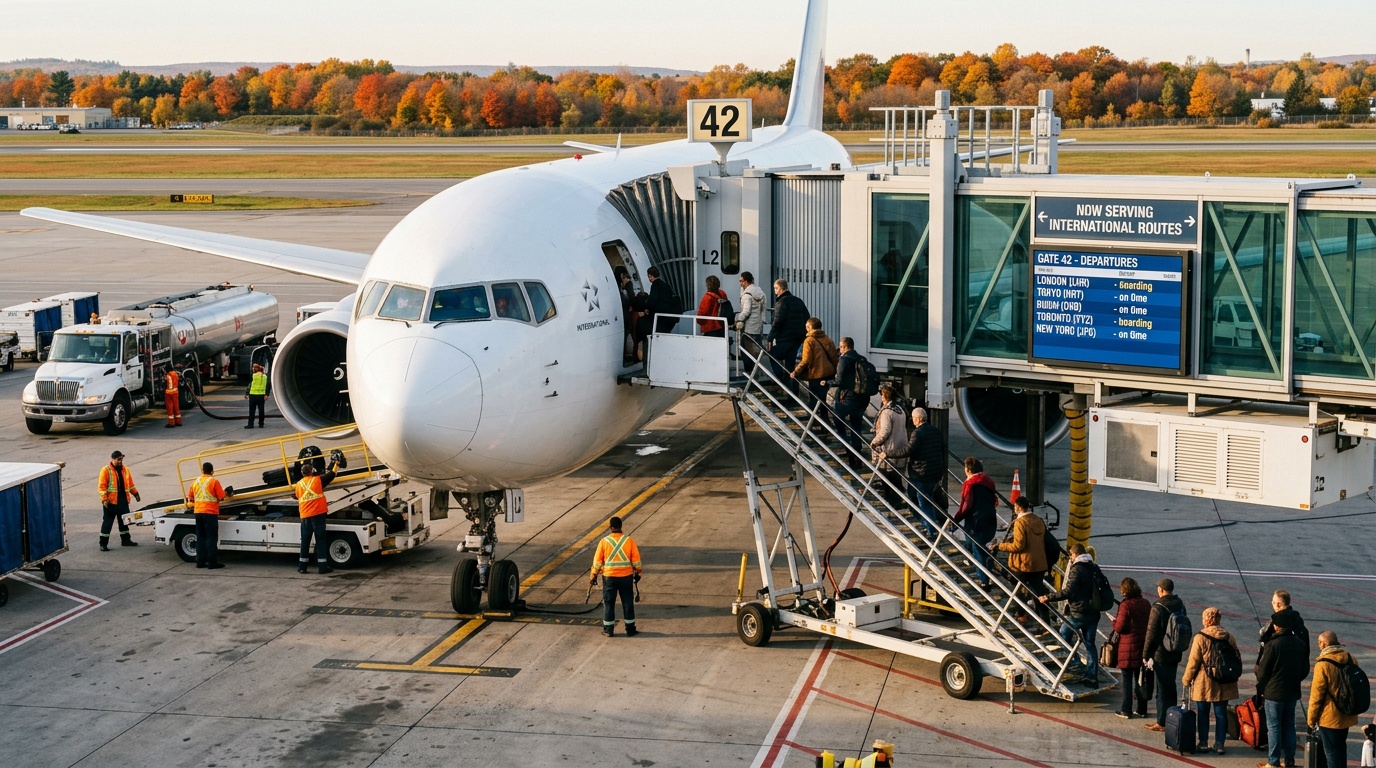
Major airlines are expanding international schedules as travelers continue booking overseas trips for the fall season. Carriers are adding flights, restoring seasonal services, and extending selected routes beyond their traditional summer schedules. The changes reflect steady demand for international leisure travel after the busy summer period. They also give passengers more choices when planning autumn vacations, family visits, and business trips.
Fall has traditionally offered airlines a transition between the summer peak and the winter holiday rush. However, changing travel patterns have made the season increasingly important for international networks. Some passengers now seek cooler weather, smaller crowds, and lower accommodation costs after summer ends. Airlines can respond by keeping aircraft on routes that continue attracting profitable demand.
Airlines Extend International Flying Into Fall
International route expansion can take several forms during the fall travel period. An airline may increase weekly frequencies between established destinations when bookings justify additional capacity. It may also extend a summer route into October or November instead of ending service earlier. Other carriers introduce entirely new destinations as part of broader network growth plans.
These decisions depend on expected passenger demand, operating costs, aircraft availability, and competitive conditions. Airlines continuously monitor reservations and adjust schedules when market conditions support changes. Advance bookings can reveal which destinations remain popular beyond the traditional summer peak. Pricing trends also help carriers determine whether extra flights can generate acceptable returns.
Europe Remains an Important International Market
Transatlantic travel remains central to international networks for major North American airlines. Large European cities attract leisure travelers throughout much of the year. London, Paris, Rome, Madrid, and Amsterdam also generate significant business and connecting traffic. These diverse passenger groups can support service after summer vacation demand begins declining.
Southern European destinations have also gained attention from travelers seeking warmer autumn conditions. Cities across Italy, Spain, Portugal, and Greece can remain attractive after the busiest summer weeks. Extending routes to these markets allows carriers to capture demand from travelers with flexible schedules. It can also improve aircraft utilization before winter schedules become dominant.
Seasonal Routes Can Operate for Longer
Seasonal services once followed relatively predictable schedules based around school vacations and summer tourism. Flexible work arrangements have helped some travelers consider trips outside those traditional periods. Retirees and couples without school-age children also provide airlines with important off-peak demand. Consequently, carriers can test longer operating seasons on routes that previously ended after August or September.
Extending existing service often carries less commercial risk than opening an unfamiliar market. The airline already has sales data and operational experience from the route’s peak season. Customers also recognize the service, reducing some marketing challenges associated with a completely new destination. Strong fall bookings can eventually support a longer season or even year-round operations.
Asia and Pacific Networks Continue Recovering
Airlines are also evaluating capacity across Asia and the Pacific as international networks evolve. Long-haul routes require careful planning because aircraft spend many hours away from their home bases. Fuel expenses, crew requirements, airport slots, and geopolitical restrictions can influence individual services. Demand from business travelers and people visiting relatives remains especially important on many Asian routes.
Japan and South Korea are prominent markets for major airlines operating across the Pacific. Australia and New Zealand also attract travelers during the Northern Hemisphere’s fall and winter months. Seasonal differences can help airlines balance demand across their wider networks. Aircraft leaving weaker seasonal markets may therefore support destinations entering stronger travel periods.
Fall Travelers Seek Value and Flexibility
Price remains an important factor for consumers considering international trips after summer. Airfares vary significantly by destination, departure date, cabin, and booking period. Hotels may also adjust prices when peak-season crowds decline. Those conditions can make September, October, and November attractive months for travelers seeking greater value.
Weather also influences fall booking decisions across international markets. Travelers may favor Mediterranean destinations when temperatures become more comfortable for sightseeing. Others intentionally visit northern cities for cultural events, food, or seasonal scenery. Airlines benefit when these different preferences distribute passengers across a broader selection of routes.
Premium Demand Shapes Capacity Decisions
Passenger numbers alone do not determine whether an airline adds international capacity. Carriers also consider the revenue generated by business class, premium economy, and other higher-priced products. Strong premium demand can improve a route’s economics even when overall passenger volumes moderate. Corporate travel can further support key financial and commercial centers during the fall.
Airlines increasingly offer several cabin choices on long-haul aircraft. That approach allows carriers to serve passengers with different budgets on the same flight. Leisure customers may select standard economy, while other travelers pay more for space and additional services. A balanced cabin mix can support routes across periods with changing customer profiles.
Aircraft Availability Remains a Key Constraint
Growing demand does not automatically produce more flights because airlines need aircraft and crews to operate them. Global aviation has faced aircraft delivery delays and supply-chain constraints throughout the 2020s. Maintenance requirements can also temporarily remove planes from service. These pressures force network planners to prioritize routes with the strongest expected financial performance.
Wide-body aircraft are particularly important for long international routes. Airlines typically deploy models such as the Boeing 787, Boeing 777, and Airbus A350 across major long-haul markets. Cabin configuration and aircraft range influence where each plane can operate efficiently. Fleet availability therefore plays a direct role in determining the scale of fall expansion.
Airport Hubs Support Broader International Networks
Large airline hubs make international expansion possible by collecting passengers from numerous smaller markets. Travelers can connect from domestic flights onto long-haul services without starting their journeys in major gateway cities. This connecting traffic helps airlines fill larger aircraft. It also supports destinations that might lack enough local passengers for nonstop service alone.
Scheduling connections effectively becomes especially important as airlines add frequencies. An international departure must coordinate with arriving domestic services whenever possible. Returning flights also need useful onward connections. Better timing can strengthen a route’s appeal while increasing the number of potential customers.
Competition Gives Travelers More Options
International expansion often encourages competitors to review their own schedules and fares. Several airlines may serve the same major city pair, particularly across the Atlantic. Others compete indirectly through connecting hubs. Additional capacity can give consumers greater flexibility regarding departure times, cabins, loyalty programs, and prices.
Partnerships also influence competition in international aviation. Major carriers often participate in alliances or joint ventures with overseas airlines. These arrangements can expand connecting opportunities and coordinate schedules where regulations permit. Travelers may consequently reach smaller destinations through one itinerary rather than purchasing separate tickets.
Fall Expansion Provides Clues About Future Schedules
Extended fall service can provide airlines with valuable evidence about changing travel behavior. Strong results may encourage carriers to begin seasonal routes earlier or end them later next year. Some successful routes can eventually become year-round services. Weak performance, however, may prompt airlines to redirect aircraft toward stronger markets.
Travelers should therefore expect international networks to keep changing as airlines analyze bookings and operating conditions. Fall demand offers carriers an opportunity to generate revenue beyond the traditional summer peak. Expanded schedules also give passengers additional ways to travel when popular destinations are less crowded. Together, these factors are reshaping how major airlines plan their international calendars.
