

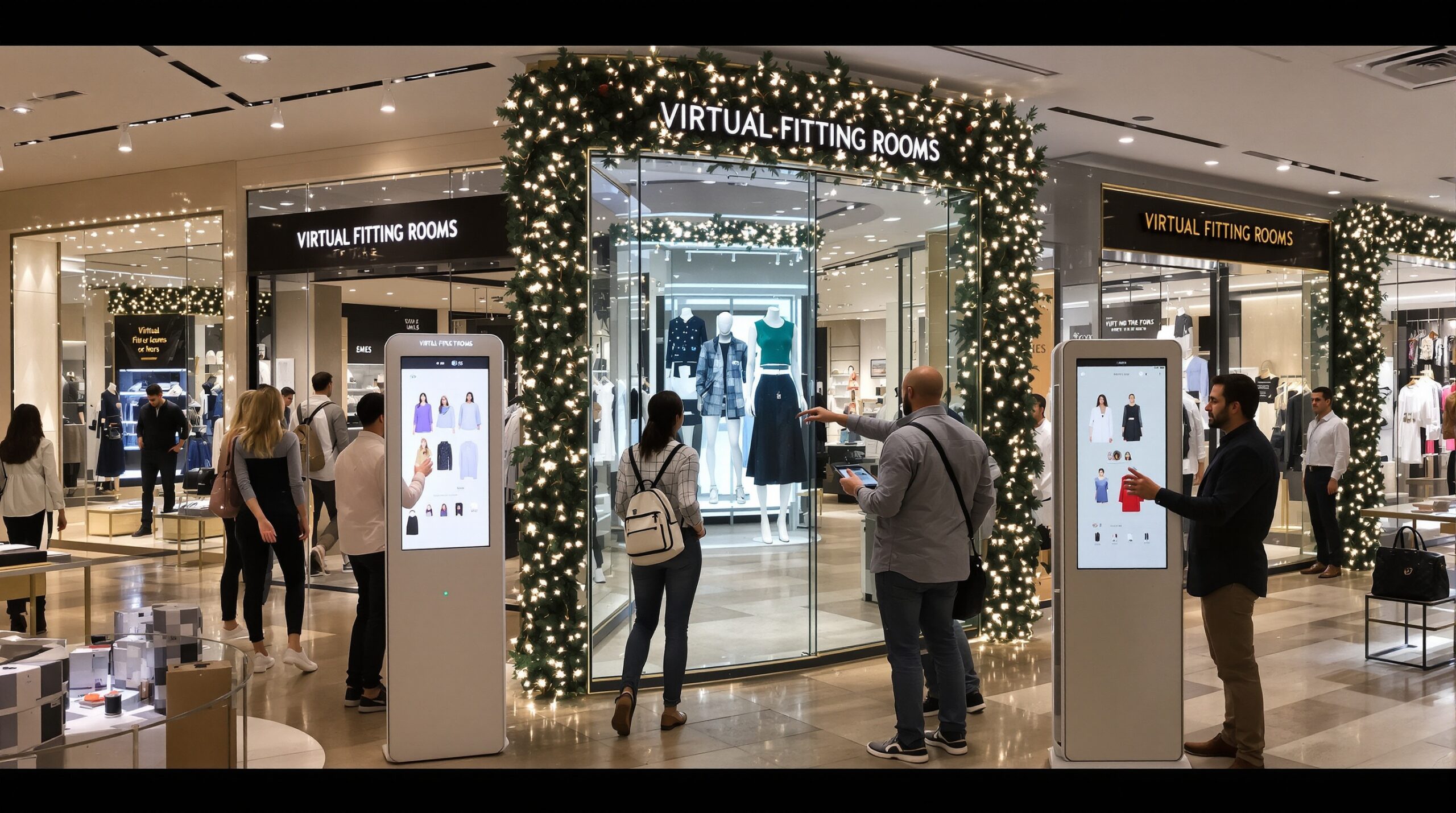
Global fashion labels are accelerating AI-driven virtual fitting rooms as holiday traffic approaches. Executives want shoppers to buy with confidence and fewer returns. Brands see a tight window to deploy tools before peak demand. Vendors have rushed integrations to meet seasonal deadlines. Consumers will see new try-on features across websites, apps, and stores. The industry hopes convenience and accuracy translate into measurable holiday gains.
What Virtual Fitting Rooms Actually Deliver
Virtual fitting rooms let shoppers visualize garments on personalized digital bodies or live camera feeds. The goal is clear sizing, fit guidance, and realistic drape. Systems combine computer vision, body measurement estimation, and 3D garment simulation. Many experiences also provide size recommendations based on past purchases. Retailers include garment notes on compression, stretch, and length. These features address the biggest online pain points around uncertainty and returns.
Why Brands Are Moving Before the Holidays
Holiday weeks concentrate revenue and strain logistics. Apparel return rates historically outpace many categories, especially for gifts and outfits. Reverse logistics add costs and pressure sustainability goals. Virtual try-on promises fewer bracketing orders and clearer expectations. That promise matters when carriers face volume spikes. Leaders want technology that supports conversion while protecting margin during promotional periods.
How the Core Technology Works
Data Capture and Body Modeling
Most platforms estimate body measurements using smartphone photos or brief camera sessions. Some options ask for manual measurements or height and weight. Advanced systems synthesize a 3D avatar from minimal inputs. Algorithms use pose estimation to understand stance and silhouette. The models then scale garments and simulate fabric behavior. Retailers calibrate outputs against fit models and size charts.
Garment Digitization and Fabric Physics
Vendors digitize garments from patterns, sample scans, or high-resolution photos. They assign material properties to mimic drape, stretch, and thickness. Physics engines emulate how cloth falls, wrinkles, and hugs the body. Accurate materials improve the believability of try-ons. Teams validate simulations with side-by-side photography on real models. This process helps set shopper expectations around tightness and length.
Fit Prediction and Size Recommendations
Models predict fit using measurement matching and machine learning. Systems analyze product-specific features like rise, shoulder width, and inseam. They incorporate returns data, size feedback, and wear tests. Recommendations adapt as customers interact and provide outcomes. Retailers label confidence levels to guide choices responsibly. Clear messaging reduces overpromising and builds trust.
Experience Channels and Store Integration
Shoppers can try items on mobile web, brand apps, and social platforms. Some stores deploy smart mirrors and assisted selling tablets. Associates use the tools during appointments and alterations. Omnichannel integration saves profiles across devices for convenience. Holiday pop-ups add attention-grabbing mirrors that encourage engagement. These moments support discovery and gift buying during busy weekends.
Early Results and Industry Benchmarks
Pilots commonly report improved conversion and reduced size-related returns. Vendors often claim double-digit lifts, though results vary by category. Footwear, denim, and dresses see strong engagement. Accessories and outerwear benefit when sizing feels complex. Retailers track dwell time, add-to-cart rates, and average order value. Leaders also watch customer satisfaction and repeat purchase trends.
Consumer Reception and Accessibility Considerations
Shoppers respond well when setup feels quick and private. Clear instructions and visible privacy controls increase adoption. Inclusive avatars and size ranges drive trust among diverse bodies. Hair, skin tones, and mobility options also improve representation. Text alternatives and voice guidance support accessibility needs. These details make technology feel respectful and human.
Privacy, Security, and Transparency
Body data requires careful handling and consent. Many platforms process images on-device or promptly delete raw photos. Brands disclose data retention policies and purposes. Customers can opt out and request deletion easily. Security teams audit vendors for compliance and encryption practices. Clear policies reduce friction during account creation and checkout.
How Different Segments Are Deploying
Luxury houses emphasize clienteling with in-store mirrors and appointments. Associates personalize avatars and tailor recommendations for couture pieces. Sportswear brands lean on mobile apps and size guidance for performance fits. Fast-fashion players prioritize web scale and speed across large catalogs. Department stores embed tools within marketplace product pages. Each approach reflects distinct merchandising and service models.
Technical and Operational Challenges
Accuracy depends on photo quality and consistent lighting. Loose layers, complex textures, and accessories introduce uncertainty. Garment updates can lag if digitization pipelines stall. Peak traffic requires robust servers and graceful fallbacks. Store associates need training for confident demonstrations. Brands must align merchandising, legal, and engineering ahead of launches.
Impact on Returns and Sustainability
Better fit guidance can reduce bracketing and repeat shipments. Fewer return trips cut emissions and packaging waste. Inventory stays available when fewer items loop through reverse logistics. Sustainability teams model these benefits for reporting. Clear measurement frameworks connect experience features to environmental goals. These links matter to conscious shoppers during holiday campaigns.
Marketing, Live Shopping, and Social Try-On
Virtual try-on now appears in shoppable videos and live streams. Creators demonstrate outfits and share size references. Social platforms enable AR overlays for accessories and beauty. Brands synchronize product availability with broadcast inventories. QR codes bridge store windows to mobile try-on quickly. These touchpoints create momentum as promotions rotate weekly.
Metrics to Watch During the Season
Teams will monitor adoption rates and repeat usage closely. They will compare return reasons against last year’s patterns. Load times and crash rates must stay low on mobile. Stores will track appointment conversion and basket size. Support channels will flag confusion or scanning issues. Leaders will adjust onboarding flows to remove friction swiftly.
What Shoppers Should Expect
Expect optional body scans, clear size suggestions, and realistic drape previews. Look for privacy options and avatar controls. Try natural lighting and neutral clothing during scans. Read confidence labels and fit notes for tricky styles. Save your profile to simplify future sessions. These steps help the technology perform at its best.
What Retailers Must Prepare Now
Retailers should finalize training and store playbooks immediately. They need contingency plans for degraded modes during surges. QA teams must validate garment coverage and size charts. Marketing should explain features in plain language across channels. Support staff require scripts for privacy and accuracy questions. Cross-functional readiness protects the holiday experience end-to-end.
The Road Ahead After the Holidays
Post-season reviews will refine models and data pipelines. Teams will expand coverage across categories and regions. Loyalty programs may incorporate avatar continuity and perks. Designers can leverage fit data to improve upcoming collections. Operations can target returns hotspots for deeper fixes. These learnings compound value beyond seasonal peaks.
Bottom Line
AI-driven virtual fitting rooms are entering prime time as shoppers prepare gifts and outfits. The technology aims to reduce uncertainty and returns. Brands see measurable potential across conversion, satisfaction, and sustainability. Success depends on realistic simulations and respectful data handling. Thoughtful rollout planning matters during the industry’s busiest weeks. The holiday season will test performance at true retail scale.
