

Studios and Unions Confront a Transforming Production Landscape
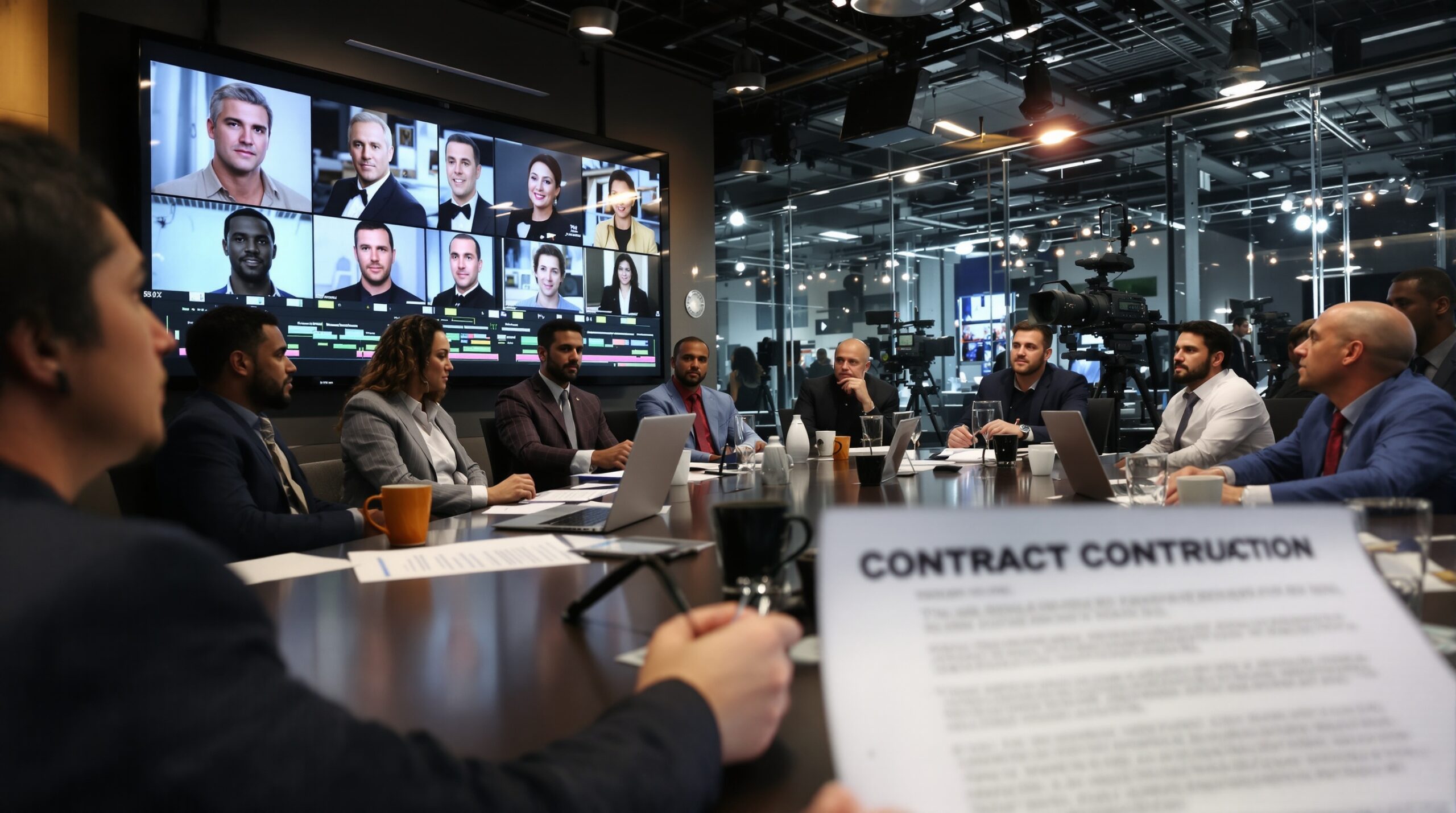
Major studios and entertainment unions are reopening contract talks focused on AI-generated performers and digital replicas. Negotiators face fast-moving tools that change how filmmakers cast, shoot, and finish scenes. Union leaders cite consent, compensation, and control as their core priorities. Studio representatives emphasize flexibility, efficiency, and competitive pressure from global platforms. Both sides seek clarity before the next wave of productions ramps up. Therefore, bargaining tables now double as technology briefings and risk workshops.
What “AI-Generated Actors” Actually Means
Professionals use “AI-generated actors” to describe several converging techniques across performance and postproduction. Systems can synthesize faces, voices, bodies, and motions from captured or trained data. Teams can also assemble photoreal doubles from scans and previous footage. Editors can then insert, age, de-age, or redub performances with minimal reshoots. As these capabilities expand, contracts must define exact boundaries and responsibilities.
Recent Breakthroughs Accelerate Pressure to Negotiate
High-profile text-to-video systems heightened urgency across Hollywood. OpenAI previewed Sora in 2024, showing long-form, cinematic video from text prompts. Runway introduced Gen-3 in 2024, improving motion, consistency, and directing controls. Pika and other startups released tools that stylize, extend, and replace footage. Adobe previewed generative features for Premiere Pro and After Effects. Consequently, creative departments now test these tools alongside traditional pipelines.
Existing Agreements Provide a Starting Point
Unions already negotiated initial guardrails for digital replicas in the 2023 and 2024 contracts. SAG-AFTRA’s television and theatrical agreement addressed scans, consent, and some compensation triggers. IATSE locals secured language requiring consultation on the impacts of technology in several crafts. The Writers Guild raised concerns about training data during its 2023 strike. These frameworks inform today’s expanded talks about synthetic performers. However, emerging tools challenge earlier definitions and workflows.
Key Issues on the Table
Negotiators consistently return to a core triad: consent, compensation, and control. Performers want explicit permission requirements before any capture or replication. They also want meaningful pay for use, reuse, and derivative products. Additionally, they seek clear approval rights and opt-outs for sensitive contexts. Studios request usable licenses, predictable costs, and workable workflows. Therefore, contracts must bridge competing priorities without stalling production.
Consent and Likeness: Where Lines Get Drawn
Actors ask for plain-language consent forms that cover scanning, voice, and motion data. They also expect disclosure for background crowds and partial face captures. Unions advocate time limits and specific project scopes for any digital replica. Lawyers propose revocation rights if productions breach agreed uses. Studios counter that broad permissions reduce delays and change-order disputes. Consequently, parties explore tiered permissions with granular, auditable logs.
Compensation Models Under Debate
Traditional day rates and residual formulas rarely fit synthetic reuse scenarios. Negotiators weigh session fees, library fees, and time-based license payments. Some proposals tie payment to screen time or delivery territories. Others consider per-minute or per-shot metrics when assessing systems’ composite performance. Unions push for residuals when replicas appear on new platforms. Studios prefer buyouts for narrow uses within one title.
Control, Credits, and Creative Integrity
Performers want approval over dialogue changes and emotional portrayals by digital doubles. Directors seek authority over final character performances and tone. Editors request clear notes documenting any synthetic alterations. Producers want reliability when a star is unavailable or schedules conflict. Credits also raise disputes, especially for voice models and motion stand-ins. Thus, contracts may require on-screen disclosures and expanded credit categories.
Legal Backdrop Shapes the Negotiations
Right-of-publicity laws protect names, images, and voices in many jurisdictions. New York extended postmortem rights for deceased performers in 2021. Tennessee adopted the ELVIS Act in 2024 to protect voice likenesses. Federal lawmakers proposed several bills addressing deepfakes and deceptive media. The European Union passed the AI Act in 2024, requiring deepfake transparency. Therefore, multinational productions must navigate overlapping standards and penalties.
Case Studies Illuminate Practical Risks
Filmmakers have used digital doubles and de-aging across major franchises. Indiana Jones and the Dial of Destiny included extensive de-aging work for flashbacks. Rogue One recreated Peter Cushing and a young Carrie Fisher using visual effects. The Mandalorian presented a de-aged Luke Skywalker, including synthesized voice techniques. Documentaries experimented with voice cloning for narrative continuity. Each example informs today’s expectations for consent and disclosure.
Toolchains and Workflows Are Converging
Virtual production stages now integrate real-time engines and AI-assisted compositing. Capture teams create detailed scans and motion libraries during principal photography. Editorial departments test generative inpainting and match-move tools for pickups. Sound teams explore cloned dialogue for ADR and multilingual dubbing. Localization vendors deploy AI for lip-sync and performance matching across languages. As pipelines converge, departments need new handoff standards and metadata.
Provenance, Watermarks, and Audit Trails
Studios and unions discuss provenance systems that track asset histories. Watermarks and cryptographic signatures help identify synthetic elements in shots. Vendors propose content credentials embedded across delivery files. Producers want audit trails that document consent and licensing boundaries. Unions request access logs and standardized reporting formats. Therefore, contract language may mandate interoperable provenance solutions.
Training Data and Privacy Concerns
Artists worry that models might train on unlicensed performances. Unions demand prohibitions against using union performances without consent. Studios ask vendors to warrant lawful training sources and data hygiene. Privacy rules also restrict biometric capture and retention policies. Security standards must protect scans, voice prints, and raw performance data. As a result, agreements increasingly reference third-party compliance certifications.
Economic Impacts Across the Production Chain
Generative tools can reduce reshoots and stand-in costs for simple fixes. They can also compress schedules for trailers, teasers, and marketing spots. However, deployment often increases spending on scanning and data management. Some departments gain tasks while others face reduced hours. Producers balance efficiency gains against labor stability and morale. Consequently, studios pilot tools carefully before scaling changes.
Jobs, Retraining, and Safety Nets
Craft workers ask for retraining programs and upskilling budgets. Unions propose stipends for certification on new toolsets. Studios support targeted training tied to project needs and deadlines. Workforce safety nets may include reassignment pools during technology transitions. Career pathways now include data wranglers, synthetic asset managers, and ethics reviewers. Therefore, contracts may add training clauses and joint technology committees.
Independent and International Perspectives
Independent producers face similar pressures with fewer resources. They often rely on off-the-shelf tools and freelance experts. European co-productions must comply with the EU AI Act’s transparency requirements. Canadian and British unions publish guidance on synthetic performance practices. Asian markets adopt rapid text-to-video tooling for advertising and variety formats. These differences influence festival eligibility, distribution, and insurance coverage.
Insurers and Bond Companies Weigh New Risks
Completion guarantors scrutinize approvals, likeness licenses, and data security. Insurers evaluate exposures from misappropriation and defamation claims. Underwriters request detailed documentation of consent and replicas. They also require plans for talent disputes and takedown demands. Premiums may hinge on watermarking, vendor vetting, and provenance compliance. Therefore, producers integrate legal reviews earlier in prep.
Ethics, Bias, and Representation
Advocates warn that biased models can distort skin tones and facial subtleties. Performers of color report misalignments in expressions and lighting. Disability advocates highlight risks around mobility and assistive devices. Producers commit to testing models with diverse datasets and reviewers. Unions seek penalties for harmful or deceptive portrayals. Ethical review boards now appear on larger productions.
Possible Contract Clauses Emerging From Talks
Draft clauses often include explicit, revocable consent with project-scoped licenses. They set minimum pay for scans, uses, and reuses. They require on-screen disclosures for synthetic or reconstructed performances. They mandate content credentials and vendor warranties on training sources. They establish audit rights, security obligations, and breach remedies. Finally, they prohibit retaliation when talent withholds consent.
Marketing, Disclosure, and Audience Trust
Studios debate how much to disclose in trailers and credits. Some campaigns highlight responsible AI to preempt backlash. Others minimize mentions to preserve magic and immersion. Audience trust benefits from consistent labels and accessible explanations. Regulators encourage transparency for political and sensitive content. Therefore, studios refine messaging as norms evolve.
Education for Creatives and Executives
Guilds host workshops explaining capabilities, limits, and legal considerations. Studios run internal labs that test creative prompts and guardrails. Film schools update curricula with provenance and consent modules. Vendors publish best practices and bias evaluation protocols. Cross-functional literacy reduces surprises during production. Consequently, negotiations proceed with shared vocabulary and realistic expectations.
Timelines and Next Steps
Parties expect phased agreements that adapt to evolving tools. They may pilot clauses on select shows before wider rollout. Joint committees will monitor impacts and recommend updates. Dispute resolution procedures will address urgent on-set conflicts. Transparency requirements will mature as standards stabilize. Ultimately, stable rules should unlock innovation without sacrificing rights.
The Bottom Line for the Industry
AI-generated actors are no longer speculative or niche. They now influence casting, shooting, and distribution strategies. Unions and studios both seek workable, enforceable solutions. Clear consent, fair compensation, and real control remain essential pillars. Robust provenance and training restrictions support trust and accountability. With balanced agreements, storytellers can adopt new tools while protecting human performance.
