

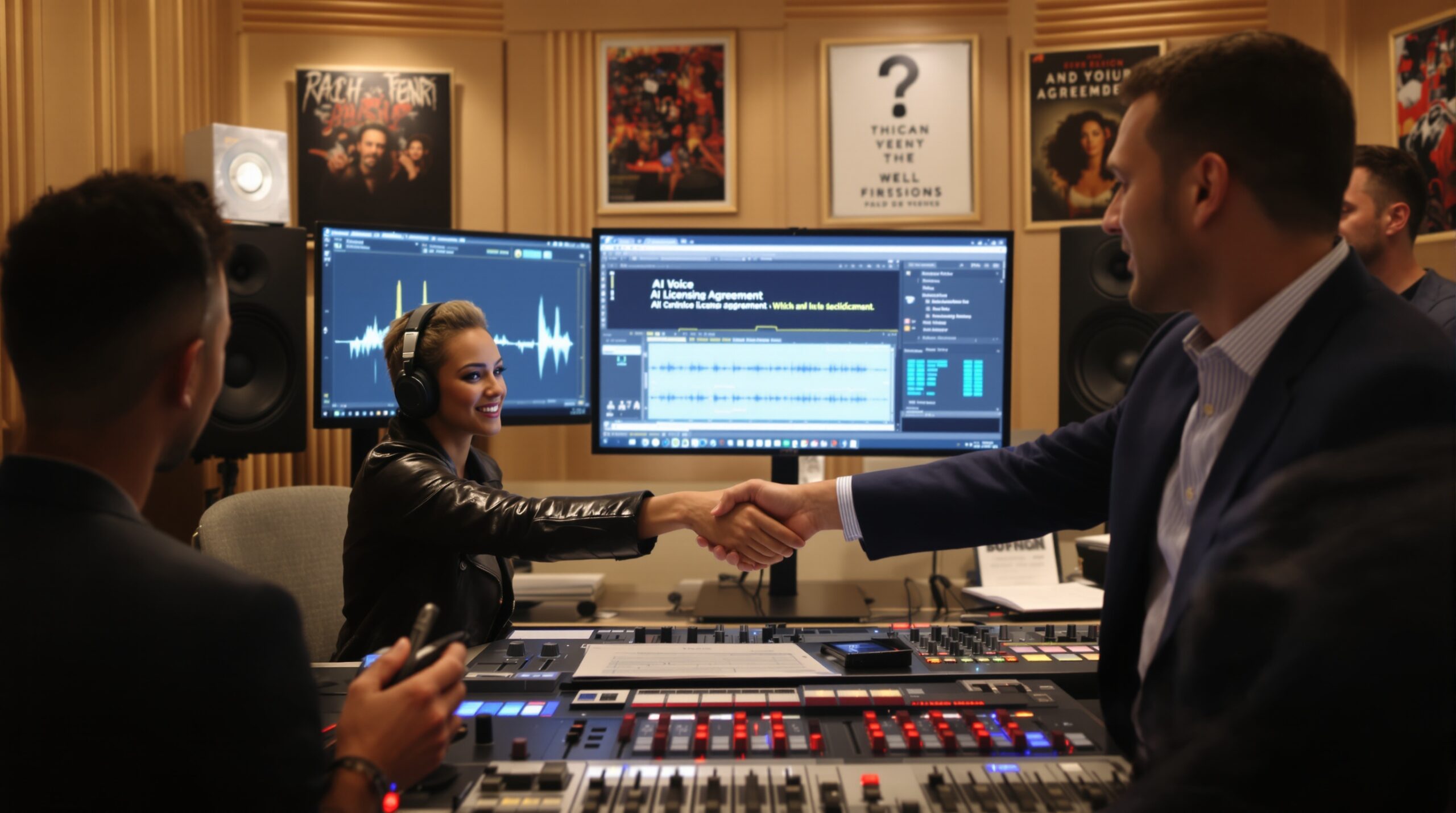
Artificial voice cloning jumped from niche experiment to mainstream storyline almost overnight. Viral tracks with synthetic celebrity vocals exposed new creative possibilities. They also exposed legal and economic gaps around consent and compensation. Labels now test licensing models that channel this energy into authorized uses.
Executives see demand from creators, brands, and artists exploring new tools. Artists also want control over how their voices get used. Technology companies want clear risk frameworks before scaling features. Therefore, the industry is building agreements that balance speed with safeguards.
Synthetic vocals reached mainstream awareness through viral moments
A pivotal moment arrived when an anonymous producer mimicked Drake and The Weeknd. The track spread widely on social platforms before takedowns. Listeners debated whether the song felt convincing or compelling. Meanwhile, rights holders challenged unauthorized use of recognizable voices and recordings.
Several independent artists adopted a different approach. Grimes invited fans to use her modeled voice under a revenue share. Holly Herndon offered a creative tool called Holly+ for licensed vocal transformations. These experiments showed consent-based models could unlock sustainable participation.
Labels pivot from takedowns to controlled licensing pilots
Major labels initially focused on removing infringing uploads and protecting training data. They issued warnings to developers about unauthorized scraping and synthesis. They also pressed platforms to improve detection and moderation. However, labels soon began to pilot licensed alternatives.
YouTube launched a Music AI Incubator with label partners and artists. The program informed features that generate music with approved artist voices. A limited Dream Track experiment tested consented voice models for Shorts. The test linked usage to revenue and platform policies.
Universal Music Group announced a partnership with SoundLabs to build artist voice models. The tools let artists create official, high-fidelity voice clones for studio work. They also enable controlled features for fans and collaborators under set terms. This framework emphasizes consent, attribution, and compensation.
Labels also formed alliances with creation platforms focused on responsible AI. Universal partnered with BandLab on artist-first safeguards and monetization. Warner worked with Endel on ambient releases featuring artist-approved participation. These efforts test viable commercial pathways without abandoning human authorship.
What a voice license usually covers
Voice licensing starts with clear consent from the artist and rights holders. The agreement defines permitted uses, from demos to commercial releases. It sets revenue splits and payment flows across platforms and territories. It also outlines revocation, attribution, and content standards.
Data governance matters for artist trust and quality control. Many deals restrict training to authorized stems and studio recordings. Providers often prohibit training on unauthorized scraped content. Watermarking and disclosure requirements support accountability across the ecosystem.
Early artist programs and creator tools shape demand
Independent initiatives demonstrated fan appetite for sanctioned voice use. Grimes offered a 50/50 revenue split for approved releases using her voice. Her policy required clear labeling and platform compliance. This approach encouraged experimentation while respecting her brand.
Producers also licensed voice models from willing artists on specialized platforms. Some artists, including prominent producers, released official voice models for collaborators. These tools included usage reporting and takedown controls. They helped validate micro-licensing at creator scale.
Asia provided additional proof points for synthetic vocals in mainstream contexts. Tencent Music reported thousands of AI-assisted songs across its services. One AI-driven track exceeded 100 million streams, signaling clear consumer interest. K-pop projects used voice synthesis to release multilingual performances from one vocalist.
Chart rules and award eligibility evolve with caution
Charts have not created separate categories for AI vocals. They evaluate tracks under existing rules about originality and commercial availability. The Recording Academy clarified eligibility for works featuring AI. Human authorship must be meaningful for awards consideration.
Platforms now require disclosure for synthetic content in many contexts. Labels also push for conspicuous notices when voices are synthetic. These measures aim to prevent deception and consumer confusion. They also support fair measurement across music industry charts.
Legal pressure shapes negotiations and product design
Litigation accelerated the push for licensing. Industry groups sued several music AI startups over allegedly infringing training. Labels also filed actions over systematic copying of lyrics. These cases challenge unlicensed ingestion of valuable recordings and compositions.
Publicity rights create another constraint on unlicensed voice cloning. States recognize protectable interests in a person’s voice and likeness. Tennessee enacted the ELVIS Act to strengthen voice protections. Other jurisdictions continue to refine rules around impersonation and deception.
Labor agreements signaled additional boundaries for AI uses. Vocalist unions pressed for consent, compensation, and scope limitations. A new code with major labels addressed certain AI issues for session work. These provisions influence label policies and vendor requirements.
Watermarking and provenance tools support enforcement
Technology companies released watermarking methods for synthetic audio. Google introduced SynthID techniques supporting detection for some generated content. Meta open-sourced AudioSeal for watermarking and detection research. Labels evaluate these tools alongside content identification systems.
Provenance standards also gain momentum across media. C2PA content credentials attach tamper-evident origin data to assets. Media companies test these credentials on audio-related workflows. Adoption could improve trust signals for listeners and platforms.
Economics of AI voice licensing enter active testing
Early deals explore several pricing models. Some systems charge per generation or per commercial release. Others bundle usage into creator subscriptions with reporting obligations. Labels favor models that map activity back to existing royalty systems.
Revenue splits must reflect multiple rights holders. Master owners, publishers, and performers may claim shares. Contracts specify recoupment, advances, and audit rights. Real-time attribution and standardized metadata improve payout accuracy.
Brand safety drives additional terms in voice licenses. Artists can block uses that harm their reputation. They can also restrict political or adult categories entirely. These guardrails encourage adoption by risk-sensitive partners.
Key risks and emerging mitigations
Fraud remains a major concern for streaming platforms. Bad actors can pump low-quality clones at scale. Labels demand stronger bot detection and financial penalties. Platforms respond with stricter onboarding and content vetting.
Identity misuse raises reputational and consumer protection issues. Deepfake vocals can mislead fans and damage brands. Licensing programs require clear disclosure and traceability. Education campaigns help listeners understand synthetic features.
Dataset quality determines output quality and legal posture. Authorized stems produce cleaner, more controllable models. Unlicensed scraping risks litigation and trust damage. Therefore, reputable providers prioritize consented data pipelines.
Global policy experiments influence product roadmaps
The European Union passed the AI Act with transparency obligations. Generative systems must share key information about training and risks. Disclosure requirements will affect music creation tools. Companies now plan compliance features into releases.
Japan maintains flexible text and data mining exceptions. That posture supports research and some commercial training. The United Kingdom studies music-specific options on text and data mining. The United States considers several proposals on AI transparency and rights.
Labels adapt their licensing strategies across these legal contexts. They tailor contract terms to regional rules and enforcement. They also coordinate industry codes and best practices. This alignment supports global creator adoption.
What to watch next in AI-voice licensing
Expect more official artist voice catalogs across genres and languages. Labels will test broader fan access with stronger safeguards. Platforms will expand consent flows and user disclosures. Developers will expose APIs with standardized licensing options.
We should also see improved provenance across the chain. Content credentials and watermarking will integrate with distribution pipelines. Chart compilers may refine guidance as volumes grow. Awards bodies will continue clarifying expectations for human authorship.
Finally, economics will mature as data improves. Better attribution will reduce disputes and payment delays. Micro-licensing could power a new remix culture at scale. With trust and consent, synthetic vocals can grow responsibly.
The industry has entered a practical phase after early chaos. Labels now build structured routes for AI voice creativity. Artists gain control, new income, and creative range through these deals. Listeners then benefit from innovative work that respects real people.
