
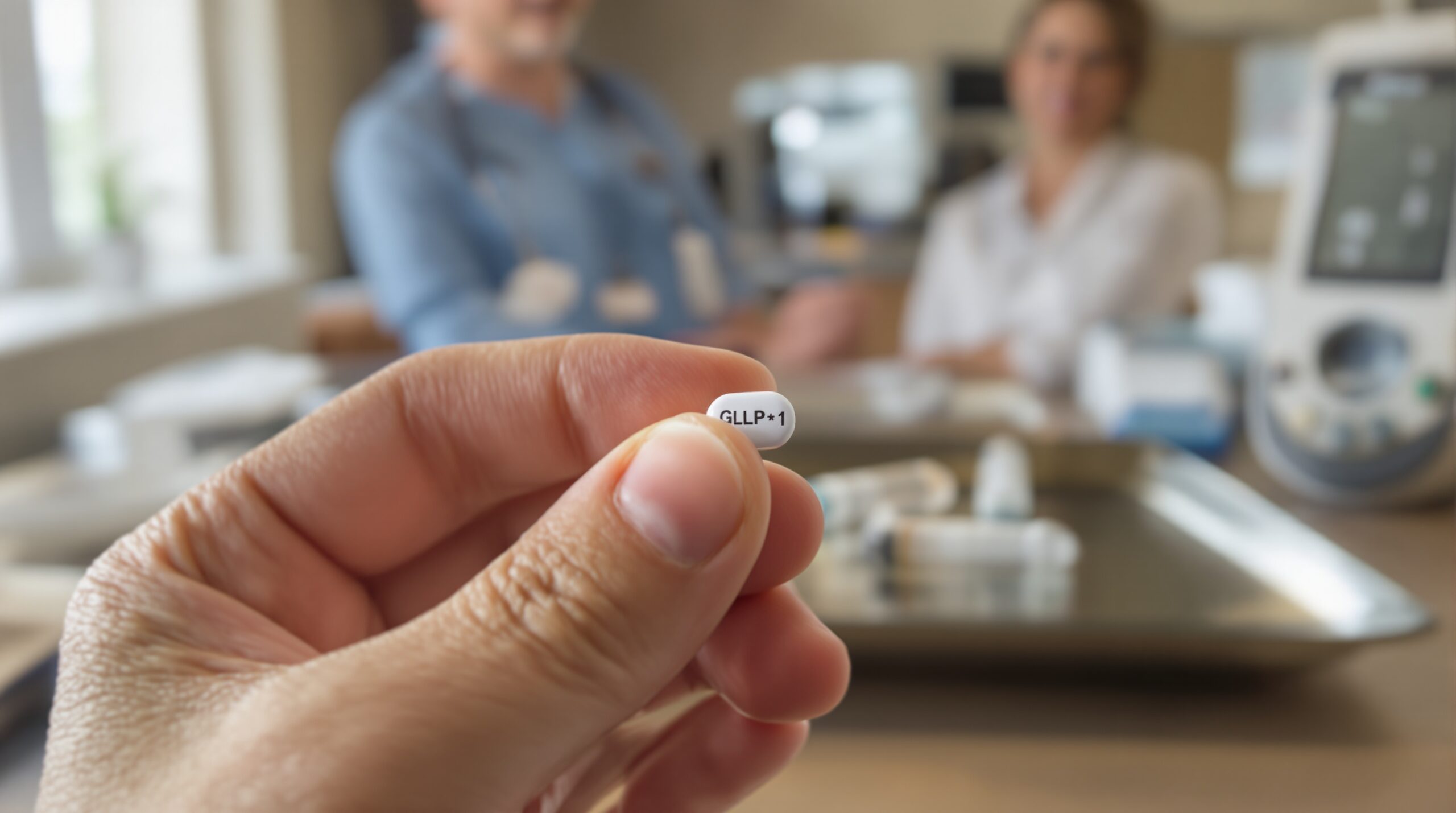
A mid-stage trial of an oral GLP‑1 pill delivered promising results for weight loss and glucose control. Investigators reported clinically meaningful reductions in body weight and improvements in glycemic management. These outcomes suggest a potential alternative to injectable GLP‑1 therapies for many patients. The findings also expand options within a fast-moving field of metabolic treatments.
Why GLP‑1 Matters in Metabolic Disease
GLP‑1 receptor agonists help regulate blood sugar and reduce appetite through well-understood hormonal pathways. They enhance insulin secretion when glucose levels rise, and they slow gastric emptying. These mechanisms reduce hunger, support caloric deficit, and stabilize postprandial glucose. Strong clinical evidence has made GLP‑1 therapies central to diabetes and obesity care.
Oral Delivery Could Expand Access and Comfort
Oral formulations aim to remove barriers associated with injections, including needle aversion and storage challenges. Tablets may also fit more easily into daily routines. Increased convenience can improve adherence and real‑world outcomes. Easier administration could broaden treatment uptake across diverse patient groups.
What the Mid‑Stage Trial Evaluated
The mid-stage trial assessed efficacy, safety, and dosing of a once‑daily oral GLP‑1 candidate. Investigators enrolled adults with elevated weight and impaired metabolic health. The study included multiple dose arms and a placebo control for rigorous comparisons. This design supports methodical evaluation before larger, confirmatory studies.
Weight Loss Results Showed Meaningful Reductions
Participants receiving the oral agent experienced statistically significant weight reductions from baseline. Higher doses resulted in larger average losses over the treatment period. Many participants achieved predefined categorical weight‑loss thresholds, such as 5% or 10% reductions. These improvements align with established benchmarks for clinically relevant weight management.
Glucose Control Improved Across Key Measures
The trial reported improvements in glycemic markers, including reductions in fasting glucose and HbA1c, versus placebo. Postprandial glucose excursions also trended downward in treated groups. These changes reflect GLP‑1 physiology and reinforce the metabolic benefits of this drug class. Better glycemic control may lower the risks of diabetes complications over time.
Safety Profile Reflected Known Class Effects
Gastrointestinal events remained the most common side effects, including nausea, vomiting, and diarrhea. Most events occurred early and often diminished with continued use. Discontinuation rates related to tolerability varied across dose groups. Investigators continued monitoring for rare risks, including gallbladder events and pancreatitis signals.
Efficacy Compared Favorably with Injectables, With Caveats
Injectable GLP‑1 therapies have shown strong efficacy across multiple large trials. Early oral results indicate these effects in some settings and at some doses. However, head‑to‑head data remain limited and essential for firm conclusions. Direct comparisons in future trials will clarify relative effectiveness and tolerability.
Adherence and Preference Could Shift Treatment Patterns
Many patients prefer pills over injections for ongoing therapy. An oral option can reduce friction at initiation and maintenance. Improved adherence may translate to better sustained outcomes in real‑world settings. Clinicians will still match formulations to individual needs and comorbidities.
Dosing, Absorption, and Practical Use Considerations
Some oral GLP‑1 products require specific administration conditions to optimize absorption. Instructions may include fasting windows and water‑only dosing. Consistent timing can support predictable pharmacokinetics and therapeutic effect. Clear patient education will help maximize benefits and minimize gastrointestinal side effects.
A Rapidly Evolving Competitive Landscape
Multiple companies are advancing oral GLP‑1 therapies through mid‑stage and late‑stage programs. Nonpeptide candidates, such as orforglipron, reported strong Phase 2 weight reductions. High‑dose oral semaglutide also delivered substantial weight loss in obesity trials. Other small‑molecule programs continue optimization to balance efficacy and tolerability.
Potential Impact on Health Equity and Access
Oral options could improve access where injections face logistical barriers. Tablets may simplify storage and distribution in varied settings. Expanded choices can meet cultural and personal preferences around needles. Affordability and insurance coverage will still shape real‑world availability and adherence.
Regulatory Pathway and Next Steps
Positive mid‑stage results usually trigger larger, longer Phase 3 trials. Regulators expect robust efficacy and safety data across diverse populations. Cardiometabolic outcomes and long‑term safety often receive heightened scrutiny. Successful programs could seek approvals for obesity, diabetes, or both indications.
Why Mid‑Stage Data Still Requires Caution
Phase 2 trials explore dose and signal, but remain limited in size and duration. Larger studies often reveal new safety, adherence, or discontinuation patterns. Placebo effects and population differences can influence observed outcomes. Confirmatory trials will determine the durability and generalizability of these results.
Clinical Integration and Patient Selection
Clinicians will consider oral GLP‑1 therapy for appropriate patients seeking noninvasive options. Candidates include individuals with obesity, diabetes, or both. Shared decision‑making should address expectations, side effects, and dosing logistics. Monitoring will track weight, glycemic measures, and treatment tolerability over time.
What to Watch as Evidence Matures
Upcoming readouts will clarify optimal dosing and real‑world adherence patterns. Head‑to‑head trials against leading injectables would provide critical benchmarks. A longer follow‑up will assess maintenance of weight loss and glycemic gains. Expanded safety data will guide labeling, risk management, and patient counseling.
Coverage, Cost, and Market Dynamics
Payer policies will influence access, step therapy, and persistence. Oral formulations might alter pharmacy benefit placement and prior authorization rules. Competitive pricing could drive broader coverage if outcomes remain strong. Health systems will evaluate total cost offsets from improved metabolic control.
Manufacturing and Supply Considerations
Scaling oral production requires reliable sourcing and consistent quality controls. Tablet stability and packaging influence shelf life and distribution. Manufacturers must anticipate demand surges to avoid shortages seen with injectables. Reliable supply chains will support sustained clinical adoption and adherence.
Bottom Line on the Mid‑Stage Signal
The oral GLP‑1 pill delivered strong weight and glycemic outcomes in a controlled mid‑stage study. Tolerability aligned with known class effects, primarily gastrointestinal events. These results support continued development toward larger confirmatory trials. If validated, oral GLP‑1 therapy could reshape metabolic care without needles.