

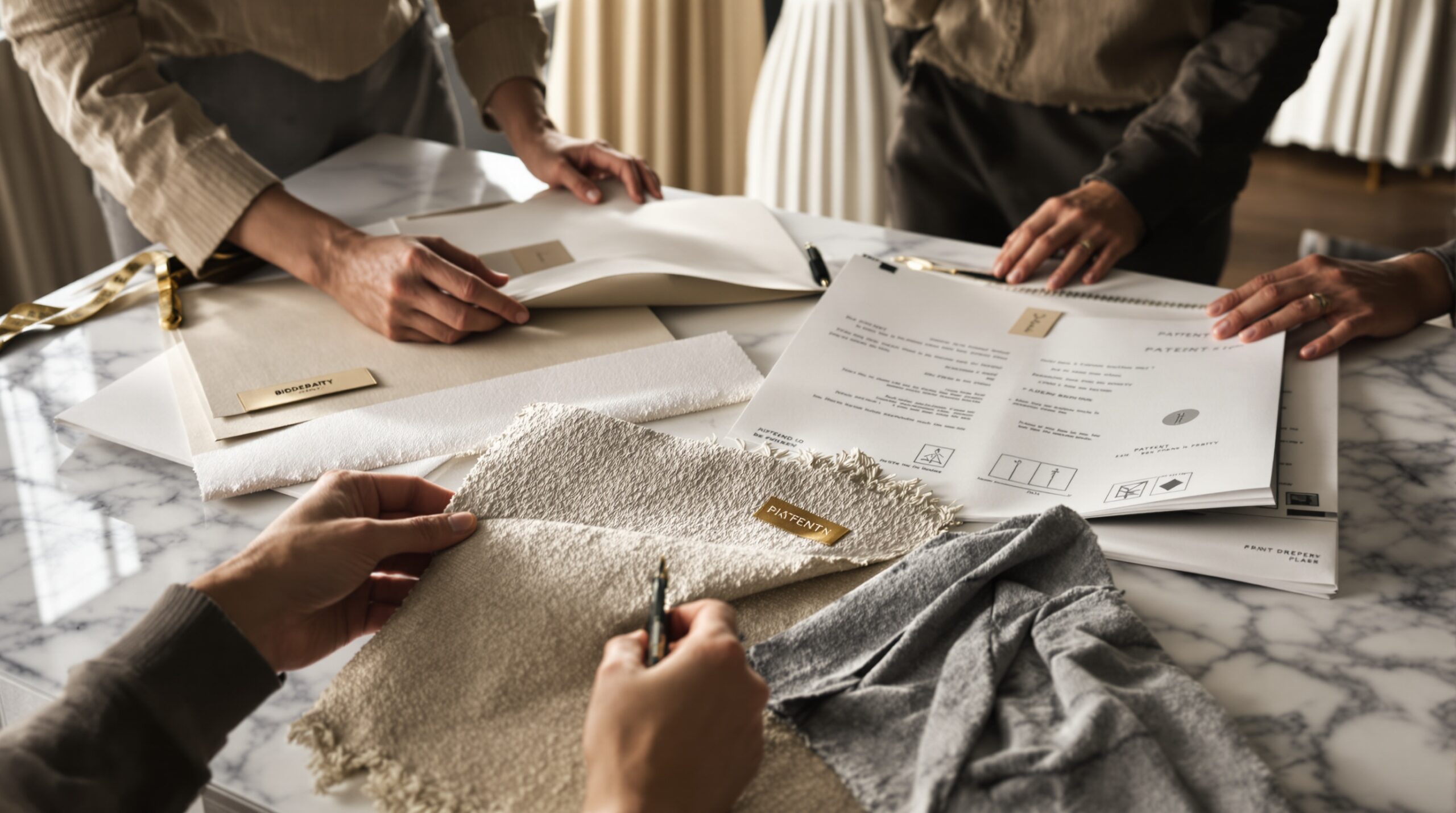
Quiet luxury now stretches beyond discreet logos and impeccable tailoring. It increasingly signals material innovation that minimizes environmental harm. Couture houses are investing in biodegradable textiles, while their partners secure patents to protect breakthroughs. This shift blends heritage craft with advanced science and changing regulations. Therefore, the sector’s language now includes compostability, biofabrication, and life cycle assessments.
Affluent clients demand beauty with a lighter footprint, and they influence ateliers. Designers respond by testing novel fibers, bio-based coatings, and plastic-free composites. Investors also push for defensible intellectual property around new materials. As a result, exclusivity increasingly depends on patented processes, not just artisanal techniques.
Quiet Luxury Redefined by Materials
Quiet luxury prioritizes quality, restraint, and longevity. Today, it also prioritizes traceable inputs and circular end‑of‑life scenarios. Houses emphasize low-impact dyeing, regenerative sourcing, and reduced chemical loads. Consequently, fabric selection now shapes both aesthetics and brand credibility.
Natural fibers like wool, silk, cashmere, and cotton remain core to the category. Many of these fibers can biodegrade under the right conditions. However, finishes, dyes, and blends influence actual biodegradation rates. Therefore, brands evaluate not just fibers, but entire system chemistries.
Craftsmanship Meets Science
Material science has entered couture workrooms. Patternmakers and chemists now collaborate on drape, handfeel, and performance. Labs test abrasion, colorfastness, and biodegradation in parallel. As a result, artisans adjust techniques to match new substrates without compromising luxury standards.
This integration reduces the risk of greenwashing. Teams validate claims before public launches. Suppliers share test reports and certification roadmaps with maisons. Consequently, production decisions reflect data, not marketing slogans.
What Biodegradable Actually Means
Biodegradability refers to microorganisms breaking materials down into natural elements. In textiles, context matters for that process. Industrial composting conditions differ from home composting or marine environments. Therefore, credible claims specify the environment and timeframe.
Chemical additives, coatings, and fiber blends can hinder breakdown. Synthetic microfibers may persist even in composting facilities. Testing protocols help determine realistic outcomes. Thus, standards guide both product development and consumer guidance.
Standards and Testing Frameworks
Textile biodegradation is evaluated using established ASTM and ISO methods. Laboratories simulate aerobic and anaerobic conditions to measure decomposition. Compostability certifications assess disintegration, toxicity, and compost quality. Consequently, labels often reference specific standards and environments.
Cradle to Cradle certification evaluates material health and circularity pathways. Additional programs review input chemistry and wastewater management. Examples include OEKO‑TEX and Bluesign methodologies. Together, these tools help brands design textiles for end‑of‑life outcomes.
The Patent Push Behind Biodegradable Textiles
Intellectual property underpins many bio‑based material ventures. Patents protect fermentation methods, fiber spinning, and composite formulations. Startups leverage patents to secure funding and exclusive partnerships. Therefore, couture houses often license or co‑develop protected technologies.
Public filings document rising activity around mycelium materials and plant‑based composites. They also cover biopolymers, enzymatic processing, and novel dyeing chemistries. This trend reflects a competitive race to define the next luxury substrates. Consequently, exclusivity shifts from supply control to process control.
Material Startups Hold Critical IP
Companies developing mycelium, bacterial cellulose, and regenerated cellulosics file broad portfolios. MycoWorks has public patents around Fine Mycelium processing. Natural Fiber Welding holds patents related to plant‑based leather alternatives. As a result, maisons seek strategic access to these protected platforms.
Other innovators focus on silk‑inspired proteins and bio‑based polyurethane alternatives. Several develop plastic‑free coatings for natural fibers. These approaches aim to preserve biodegradation while achieving luxury performance. Therefore, joint development agreements often include testing support and exclusivity windows.
Couture Houses Seek Exclusivity and Control
Houses increasingly sign multi‑year agreements with material specialists. They sometimes invest directly to secure supply and influence roadmaps. Chanel has invested in bio‑based chemistry and packaging solutions. These moves complement internal material labs and artisan networks.
Patents also intersect with design differentiation. Techniques for bonding, embossing, or finishing new substrates can be protected. These filings support signature looks without flashy branding. Consequently, quiet luxury aligns with technical distinctiveness, not loud logos.
Notable Pilots and Launches
Mycelium materials have moved from lab to atelier pilots. Hermès collaborated with MycoWorks on Sylvania, a mycelium‑based alternative. The partnership demonstrated viability for structured leather goods. Therefore, other maisons watched closely and initiated trials.
Stella McCartney showcased garments using mycelium‑based materials during high‑profile events. Bolt Threads, a key developer, later paused Mylo production. That pause reflected funding and scale challenges in 2023. Nevertheless, interest in fungal materials continues across the industry.
Regenerated Cellulosics Gain Ground
Regenerated cellulose fibers, such as lyocell, have solid luxury applications. These fibers can biodegrade under appropriate conditions. Supply now includes closed‑loop solvents and certified forestry inputs. Consequently, couture houses use them for linings, blouses, and soft tailoring.
Textile innovators also explore seaweed‑blended fibers and citrus cellulose. Suppliers balance drape, sheen, and dye uptake for premium looks. Some blends remain fully plastic‑free and compostable. Therefore, designers can source biodegradable options without sacrificing elegance.
Regulatory Pressures Accelerate Change
Policy pressure pushes luxury toward measurable sustainability. The European Union advances ecodesign, product passports, and green claims rules. France already restricts destruction of unsold fashion goods. As a result, materials with credible end‑of‑life routes gain appeal.
Authorities scrutinize microplastic shedding and hazardous chemicals. Extended Producer Responsibility schemes for textiles continue expanding. These programs encourage recyclability and compostability by design. Consequently, biodegradable textiles help brands address forthcoming obligations.
Europe Sets the Pace
European luxury groups publish roadmaps aligned with policy timelines. Digital product passports will require material data transparency. Brands prepare to disclose fiber content and chemical footprints. Therefore, standardized testing and documentation become strategic assets.
Regulatory alignment also guides investment choices. Houses fund projects with credible certification pathways. They prioritize suppliers that support auditability and traceability. As a result, compliance and creativity move forward together.
Challenges on the Road to Biodegradable Couture
Balancing durability with biodegradability remains challenging. Luxury goods must endure decades of use and care. Films, adhesives, and performance finishes can impede biodegradation. Therefore, designers carefully specify component chemistries and assembly methods.
Infrastructure also determines outcomes. Most consumers lack access to industrial composting systems. Municipal rules vary widely by region. Consequently, take‑back programs and material sorting become essential complements.
Performance, Care, and Infrastructure
Garment care influences longevity and environmental impact. Dry cleaning solvents, for example, affect labeling and chemistry choices. Brands experiment with finishes that enable gentle wet cleaning. As a result, aftercare instructions evolve alongside material choices.
End‑of‑life pathways work best when brands engage directly. Prepaid returns and repair programs extend product lifespans. Disassembly‑ready construction aids recycling and composting streams. Therefore, couture houses rethink hardware and trims with biodegradable goals in mind.
Verification and Claims
Consumers increasingly question sustainability claims. Third‑party testing and certifications help establish trust. Clear language around environments and timeframes avoids confusion. Consequently, marketing teams coordinate closely with technical specialists.
Life cycle assessments inform material comparisons. They consider farming, processing, transport, use, and disposal. Biodegradable does not automatically mean lower impact. Therefore, brands weigh trade‑offs using transparent methodologies.
Strategies and Outlook for Luxury Brands
Successful strategies integrate IP, partnerships, and craftsmanship. Houses map portfolios across time horizons and risk profiles. They pilot biodegradable textiles in accessories and ready‑to‑wear. Consequently, learnings transfer to core leather goods and tailoring.
Supplier diversification reduces dependency on single technologies. Brands cultivate multiple bio‑based options for similar applications. They also train artisans to handle new materials expertly. As a result, ateliers remain agile as platforms evolve.
What to Watch Next
Expect progress on plastic‑free coatings and adhesives. Breakthroughs here unlock fully compostable garments and accessories. Watch for product passports documenting test results and end‑of‑life guidance. Therefore, transparency will accompany material innovation more closely.
Also monitor scaling milestones for mycelium and cellulosics. Commercial plants promise consistent quality and volumes. Increased capacity supports broader category adoption. Consequently, quiet luxury can deliver sustainability with uncompromised refinement.
The shift also reimagines value. Patents protect techniques that elevate subtle materials into signature house codes. Clients recognize excellence in feel, performance, and responsibility. Ultimately, this convergence defines the next chapter of luxury.
