

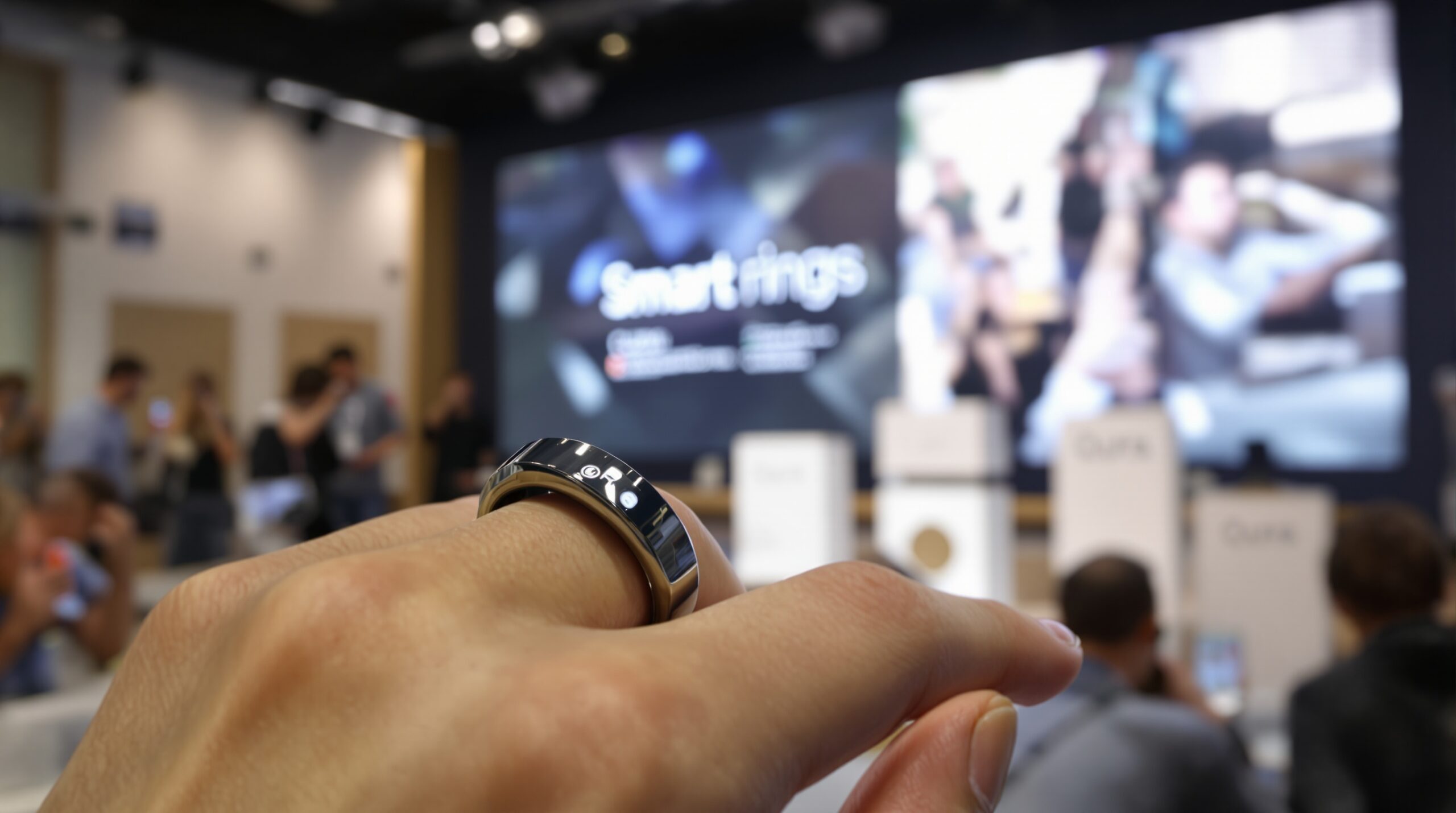
Smart rings are leaving niche status and entering mainstream awareness. Hardware improvements, better software, and credible brands are driving momentum. Investors, analysts, and consumers now watch the category with fresh expectations. The market looks ready for a new phase of competition.
A category moves from curiosity to credible contender
Consumers want health tracking without bulky screens. Rings deliver discreet sensing with minimal friction and acceptable comfort. Battery life often outlasts smartwatches, and charging routines feel less intrusive. That combination appeals to sleepers, athletes, and busy professionals alike.
Stronger components enable reliable heart rate, temperature, and motion measurements. Improved algorithms translate signals into actionable insights and scores. When insights feel helpful, daily engagement rises and habit formation strengthens. This behavioral loop draws buyers into long-term subscriptions and ecosystems.
Those dynamics set the stage for mainstream adoption. They also create powerful incentives for platform players to enter. A ring complements phones and watches without replacing either device. That synergy is attractive for ecosystem strategists and developers.
Oura’s early lead and its defensible advantages
Oura helped define the modern smart ring category. The company focused early on sleep science and recovery analytics. That early focus built a strong reputation among biohackers and wellness professionals. Partnerships and peer-reviewed collaborations reinforced its brand credibility.
Oura’s Gen 3 ring expanded sensors and software depth. Features include readiness scoring, sleep staging, temperature trends, and period insights. The app translates streams of signals into simple daily guidance. Users increasingly expect these scores to anchor daily decisions.
Oura also established a subscription model for premium features. Recurring revenue funds research, support, and frequent updates. That cadence helps retain users through continuous, incremental improvements. It also raises competitive barriers for new entrants without strong software teams.
However, leadership invites challengers. Big Tech sees category validation and attractive unit economics. Their large installed bases provide distribution, trust, and integration advantages. That pressure now shapes Oura’s product roadmap and partnerships.
Samsung steps in with Galaxy Ring
Samsung began selling the Galaxy Ring in 2024. The device integrates tightly with Samsung Health and Galaxy phones. It tracks sleep, activity, and heart signals with familiar dashboards. The ring also fits into Samsung’s broader wellness strategy.
Battery life and materials aim to balance comfort and durability. Samsung emphasizes seamless pairing, simple onboarding, and cohesive app experiences. That approach mirrors its successful wearables playbook. It lowers friction for millions of existing Galaxy customers.
Samsung’s entry validates the ring form factor for mainstream buyers. It also raises expectations for reliability, support, and retail presence. Carriers and electronics retailers now feature rings alongside watches and earbuds. That visibility accelerates category awareness and sales.
This momentum invites questions about cross-platform openness. Buyers want assurance on Android compatibility beyond Galaxy phones. Feature parity across devices could shape adoption curves. Clear messaging will matter for long-term trust and growth.
Apple, Google, and other platform players weigh moves
Apple has filed patents related to ring-style devices and sensors. Analysts regularly speculate about an Apple smart ring. Apple has not announced a product or launch timeline. Speculation persists because rings complement Apple’s health and interface ambitions.
Google holds wearable patents and steers Fitbit’s software direction. Observers watch for a ring that extends Android Health Connect. Google has not confirmed a ring product or release plan. Its platform influence still shapes third-party ring integrations on Android.
Amazon previously tested a ring with Echo Loop. The company discontinued that experiment and shifted strategy. It also ended its Halo trackers, signaling a reset. Still, its ambient computing vision keeps ring discussions alive internally.
These players can move quickly once strategies align. Their scale could redefine default expectations overnight. Oura and startups therefore keep differentiating through science, community, and agility. Strong identities help withstand inevitable platform pressure.
Startups and specialists expand consumer choice
Several focused companies now ship capable rings worldwide. Ultrahuman, RingConn, and Circular target performance seekers and quantified-self communities. Amazfit’s Helio Ring emphasizes training and recovery for athletes. Movano’s Evie ring prioritizes women’s health features and approachable design.
These brands differentiate through form factors, materials, and pricing. Many offer titanium shells, scratch-resistant coatings, and comfort-focused internal contours. Sizes span a broad range with sizing kits included. That ensures accurate fit and sensor stability across users.
Some brands position themselves as subscription-free alternatives. Others adopt memberships to fund continued software development. Both approaches compete directly with Oura’s model. Pricing transparency and clear value propositions help consumers compare options.
Features and science that matter most to buyers
Sleep remains the killer application for rings. Finger arteries provide strong signals for heart rate variability during sleep. Rings measure temperature changes that reflect readiness and recovery. Users prioritize consistent nightly insights over occasional daytime metrics.
Readiness scores collapse complex physiology into daily guidance. Clear summaries drive adherence to recovery and training plans. Activity tracking complements that framework with step counts and exertion estimates. The trifecta feels complete within an easy-to-understand app experience.
Cycle insights and temperature trends support women’s health goals. Some users integrate data with fertility planning applications. Accurate detection requires stable fit and robust algorithms. Brands often caution users about medical versus wellness interpretations.
SpO2 and respiration estimates add nighttime context, especially for snoring and breathing concerns. Accuracy varies with motion and skin conditions. Some brands enable optional breathing assessments with clear disclaimers. Responsible labeling helps set correct expectations.
Business models and pricing pressure intensify
Hardware retail prices now cluster between mid and premium tiers. Entry models compete on value, materials, and free software. Premium models justify higher prices with broader features and support. Subscriptions increasingly fund added metrics and insights.
Consumers compare lifetime costs across ecosystems before buying. Transparent membership terms encourage trust and reduce churn. Brands that overpromise risk backlash and returns. Clear roadmaps and honest marketing build durable reputations.
Carrier bundles and retailer partnerships may expand financing options. Trade-in programs could emerge as generations iterate quickly. Access models will evolve as competition intensifies further. Everyone seeks the right balance between revenue and retention.
Integration, ecosystems, and platform strategies
Ecosystem fit influences purchase decisions significantly. Users want data in Apple Health and Android Health Connect. They also expect compatibility with training apps and coaching platforms. The best integrations feel native rather than bolted on.
Rings complement watches during workouts and quiet hours. Some users prefer watches for active monitoring and notifications. Others wear only a ring for minimalism and comfort. Flexible syncing supports both preferences without friction.
Developers need reliable APIs and data standards. Consistent access policies encourage innovation around sleep and recovery. Privacy-preserving architectures further build confidence and adoption. Platforms that embrace openness can attract vibrant partner ecosystems.
Regulation, privacy, and responsible claims
Health wearables operate under evolving regulatory expectations. Wellness claims must avoid implying medical diagnosis or treatment. Some features may pursue clearances for specific measurements. Brands often distinguish wellness insights from regulated medical functions.
Data privacy remains a central concern for buyers. Companies must communicate retention policies and sharing practices clearly. Compliance with GDPR and other laws demands rigorous governance. Transparent controls for exporting and deleting data help earn trust.
Employers and insurers may explore ring-enabled programs carefully. Opt-in participation and anonymization techniques are essential safeguards. Consent management must remain visible and reversible. Responsible design reduces risks and enhances long-term adoption.
Technical hurdles and user experience realities
Accurate sensing requires stable skin contact and proper sizing. Sizing kits improve outcomes before shipment. Comfort affects adherence across day and night. Users keep devices they barely notice while sleeping.
Battery life depends on sensor sampling and firmware efficiency. Many rings target several days between charges. Simple charge cradles and quick top-ups reduce friction. Thoughtful reminders help prevent inconvenient battery surprises.
Algorithms must adapt to diverse skin tones, anatomies, and conditions. Validation across populations builds credible performance claims. Peer-reviewed studies strengthen trust and media coverage. Evidence will increasingly determine category leaders.
Outlook: from novelty to everyday essential
Smart rings are poised for a mainstream breakout. Samsung’s launch signals platform commitment and retail confidence. Oura’s persistence shows strong product-market fit and loyalty. Startups add energy, experimentation, and specialized features.
Big Tech could reshape expectations once additional entries arrive. Deeper integrations will reduce friction and expand use cases. Coaching features may blend on-device intelligence with cloud analysis. Users will judge value by consistent daily outcomes.
Competition should improve accuracy, comfort, and affordability over time. Responsible claims and privacy practices will define trusted brands. Interoperability will matter as households mix platforms and devices. The category can grow without forcing rigid lock-in.
The next winner will combine credible science and delightful design. Clear insights will drive habits and measurable benefits. Companies that respect users will earn durable advantages. Smart rings now feel ready for the big stage.
