

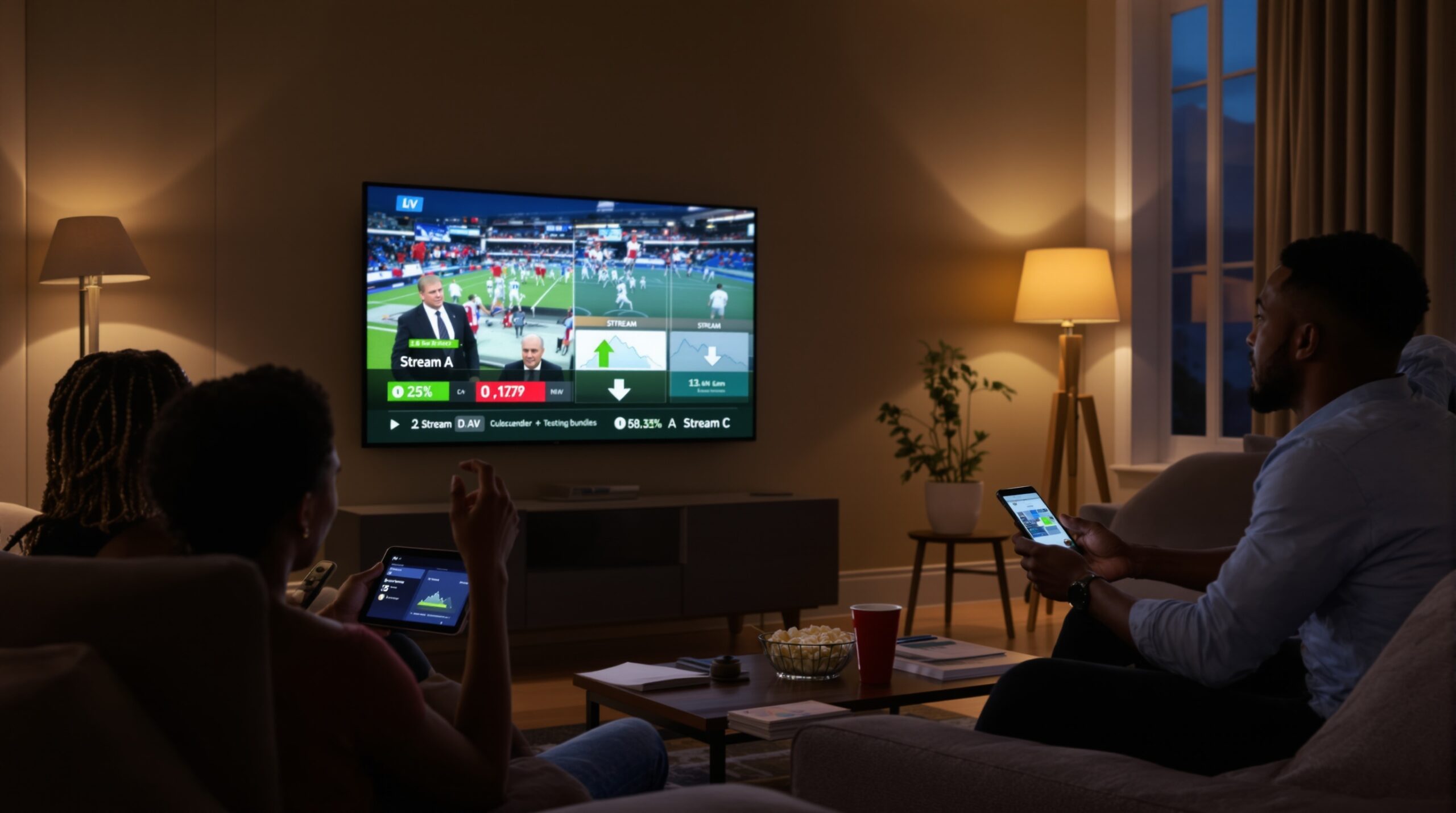
Streaming platforms are bundling live sports to keep subscribers from canceling. Leaders see sports as the stickiest programming available. Churn rises when hit shows end or promotions expire. Executives want year‑round reasons to stay. Sports calendars provide exactly the kind of persistent engagement.
Companies are testing bundles that mix events, leagues, and entertainment libraries. They aim to balance acquisition surges with retention gains. Bundles also simplify fragmented rights for frustrated fans. The strategy now sits at the center of streaming’s next phase.
Live rights remain expensive and complex. However, bundling spreads costs and increases average revenue per user. It also supports advertising growth on ad‑supported tiers. These incentives push streamers to innovate quickly with sports packages.
Why Live Sports Reduce Churn
Sports create appointment viewing and weekly habits. Fans feel urgency to watch live and avoid spoilers. That urgency drives consistent logins and session frequency. Engagement peaks during seasons and playoffs, stabilizing month‑to‑month behavior.
Sports also foster community and social conversation. Viewers invite friends for big games and share highlights widely. These network effects increase perceived value. Fans hesitate to cancel during an active season.
Crucially, sports schedules fill programming gaps between scripted releases. They smooth peaks and troughs across the year. That stability supports subscriber lifetime value. Therefore, streamers treat sports as retention insurance.
The New Bundling Playbook
Cross‑Service Super Bundles
Companies combine entertainment services with sports libraries. Disney pairs Disney+, Hulu, and ESPN+ in discounted bundles. Hulu + Live TV adds linear sports networks and regional coverage. These packages widen reach and reduce cancellation triggers.
Such bundles let households satisfy diverse preferences. One subscription serves children, drama fans, and sports followers. This breadth raises switching costs. It also simplifies billing and customer support.
Add‑On Sports Packs
Platforms sell sports tiers on top of base plans. YouTube TV offers a Sports Plus add‑on. It includes NFL RedZone and niche channels. Max introduced the Bleacher Report Sports Add‑On for live events.
Amazon channels aggregate league passes inside Prime Video. Customers can subscribe to NBA League Pass or MLB.TV there. Centralized discovery helps adoption. It also keeps cancellations within the ecosystem.
Seasonal and Event Passes
Streamers package tournaments and short windows as discrete buys. Peacock emphasized Paris Olympics coverage across the service. Apple sells MLS Season Pass for complete season access. These products build anticipation and predictable engagement arcs.
Event passes also enable targeted promotions. Marketers time offers around playoffs, finals, and marquee matchups. That timing increases conversion efficiency. It also provides clean cohorts for retention analysis.
Annual Plans and Commitment Discounts
Sports bundles increasingly feature annual pricing. Long commitments lock in the entire season. Discounts encourage upfront payment and reduce churn opportunities. They align billing cycles with league calendars.
Teams and leagues often support these commitments. Co‑marketing deepens fan loyalty and perceived exclusivity. Subscribers receive added benefits or early access. These perks reinforce retention psychology throughout the season.
Ad‑Supported Packages and Sponsorship
Advertisers value live sports because viewers watch in real time. Dynamic ad insertion reaches engaged audiences with minimal skipping. Sponsorships fund rights costs and bundle discounts. As a result, ad tiers gain strategic importance.
Streamers pair sports bundles with targeted ad products. Brands buy shoppable units and interactive overlays. These formats promise measurable outcomes. They also differentiate streaming from traditional linear broadcasts.
Major Players and Live Sports Experiments
Disney, ESPN, and Hulu
Disney bundles ESPN+ with entertainment catalogs to anchor households. ESPN+ carries UFC pay‑per‑view events and diverse leagues. Hulu + Live TV includes ESPN networks and local affiliates. These combinations cover casual and die‑hard fans.
Disney announced a forthcoming ESPN direct‑to‑consumer service. The plan combines personalization, betting integrations, and interactive stats. The initiative complements existing bundles. It also positions ESPN for streaming‑first consumption.
Disney, Fox, and Warner Bros. Discovery revealed a joint sports venture. The project aims to aggregate key sports networks. Regulators scrutinized the arrangement for competitive effects. The partners continue planning amid that scrutiny.
Warner Bros. Discovery and Max
Max launched the Bleacher Report Sports Add‑On for live coverage. Events include NBA, NHL, and March Madness games. The add‑on began as a promotional inclusion. It then moved toward a paid offering.
Bundling sports inside Max supports cross‑genre engagement. Viewers sample documentaries and scripted hits between games. That cross‑pollination aids retention. It also strengthens Max’s ad tier with premium inventory.
Amazon Prime Video
Amazon streams exclusive Thursday Night Football in the United States. It invests in interactive features and alternate feeds. Prime Video also licenses global rights for additional leagues. Channels centralize third‑party sports subscriptions under one interface.
Sports tie into Amazon’s broader ecosystem. Shopping, Twitch, and Prime benefits reinforce daily usage. That integration lifts retention beyond sports seasons. It also provides unique measurement for advertisers.
Peacock from Comcast
Peacock features Premier League, Big Ten football, and NFL games. It streamed the exclusive NFL Wild Card in 2024. Peacock also carried extensive Olympics coverage for Paris. These events generated spikes in sign‑ups and engagement.
Comcast leverages distribution through broadband and pay‑TV bundles. Cross‑promotion pushes Peacock to existing households. That tactic reduces acquisition costs. It also expands sports reach across devices.
Paramount+
Paramount+ streams UEFA Champions League and Europa League matches. It also offers NFL on CBS in local markets. Showtime integration strengthens the bundle’s entertainment value. Sports documentaries extend viewing between matchdays.
The service promotes seasonal upsells and family bundles. Partnerships with carriers add distribution scale. These moves stabilize churn during off‑season periods. They also monetize superfans with targeted offers.
Apple TV+
Apple sells MLS Season Pass as a standalone subscription. It complements Apple TV+ with discounted offers for subscribers. Friday Night Baseball streams selected MLB games. Tight product integration emphasizes simplicity and device performance.
Apple invests in features like multi‑view and spatial audio. These tools elevate the premium experience for fans. Quality helps justify pricing. It also reinforces Apple’s ecosystem advantages across hardware.
Netflix
Netflix began testing live events with comedy and sports exhibitions. It produced the Netflix Cup and the Netflix Slam. The company then acquired rights for WWE Raw starting in 2025. It also streamed NFL Christmas Day games in 2024.
These moves support Netflix’s ad tier expansion. Live sports and events deliver high‑attentive reach. They also create new sponsorship categories. Netflix can tie live moments to documentary franchises effectively.
Technology and Fan Experience
Low‑latency streaming reduces delays versus broadcast feeds. Fans expect near real‑time plays and reliable streams. Multi‑view, picture‑in‑picture, and real‑time stats enrich sessions. Watch‑party features increase social engagement and stickiness.
Dynamic ad insertion tailors creative by region and cohort. Advertisers value frequency control and post‑game recaps. Rights holders demand strong security and watermarking. Platforms invest in DRM, monitoring, and failover systems.
Blackout rules and regional rights remain challenging. Clear messaging reduces subscriber frustration during restrictions. Better discovery and calendars help users plan viewing. That clarity protects satisfaction during complex schedules.
Economics and Rights Constraints
Sports rights command premium prices and long commitments. Bundling helps amortize costs across large subscriber bases. Churn reduction improves lifetime value and margins. Advertising and sponsorship offset rights fees further.
However, rights fragmentation complicates bundles. Different leagues hold regional and digital carve‑outs. Negotiations can delay product roadmaps. Streamers must balance exclusivity with customer convenience.
Pricing requires careful calibration. Overly aggressive increases trigger cancellations. Underpricing undermines economics and content investment. A/B testing and seasonal discounts guide optimal strategies.
Risks and Regulatory Scrutiny
Joint ventures and broad bundles attract antitrust attention. Regulators examine potential harm to competitors and consumers. Transparency and flexible packaging reduce concerns. Clear cancel flows also support consumer protection goals.
Carriage conflicts may shift games between platforms unexpectedly. Fans dislike sudden changes and confusing blackout maps. Communication and make‑goods maintain trust. Consistent policies help avoid backlash during big moments.
Technical outages create reputational risks. Playoffs magnify stakes for reliability. Platforms invest in redundancy and real‑time war rooms. Continuous testing and load planning remain essential safeguards.
What to Watch Next
Observers should track cohort retention around sports calendars. Key metrics include cancellations after finals and event churn delays. Free‑to‑paid conversion during tentpoles matters greatly. Cross‑sell into entertainment libraries also indicates bundle strength.
Expect deeper commerce integrations tied to live moments. Shoppable ads and team merchandise can enhance monetization. Betting partnerships may expand responsibly with safeguards. Data partnerships will refine audience targeting and measurement.
International expansion will test bundle portability. Rights vary by country and language support. Local sports can anchor regional growth. Tailored bundles should reflect cultural viewing habits carefully.
Conclusion
Live sports bundles represent streaming’s most potent churn defense today. They harness habit, community, and calendar predictability. By packaging leagues and events smartly, platforms stabilize revenue and ad demand. Consumers gain simpler access to complex rights landscapes.
Execution will decide winners in this reshaped market. Rights negotiations, pricing, and technology must align. Companies that deliver reliable, engaging, and fair bundles will thrive. Fans will reward clarity, value, and consistent live experiences.
As seasons roll on, results will become unmistakable. Churn curves will reveal which strategies matter most. The industry’s next play hinges on sports. Bundles now stand at the center of that playbook.
