

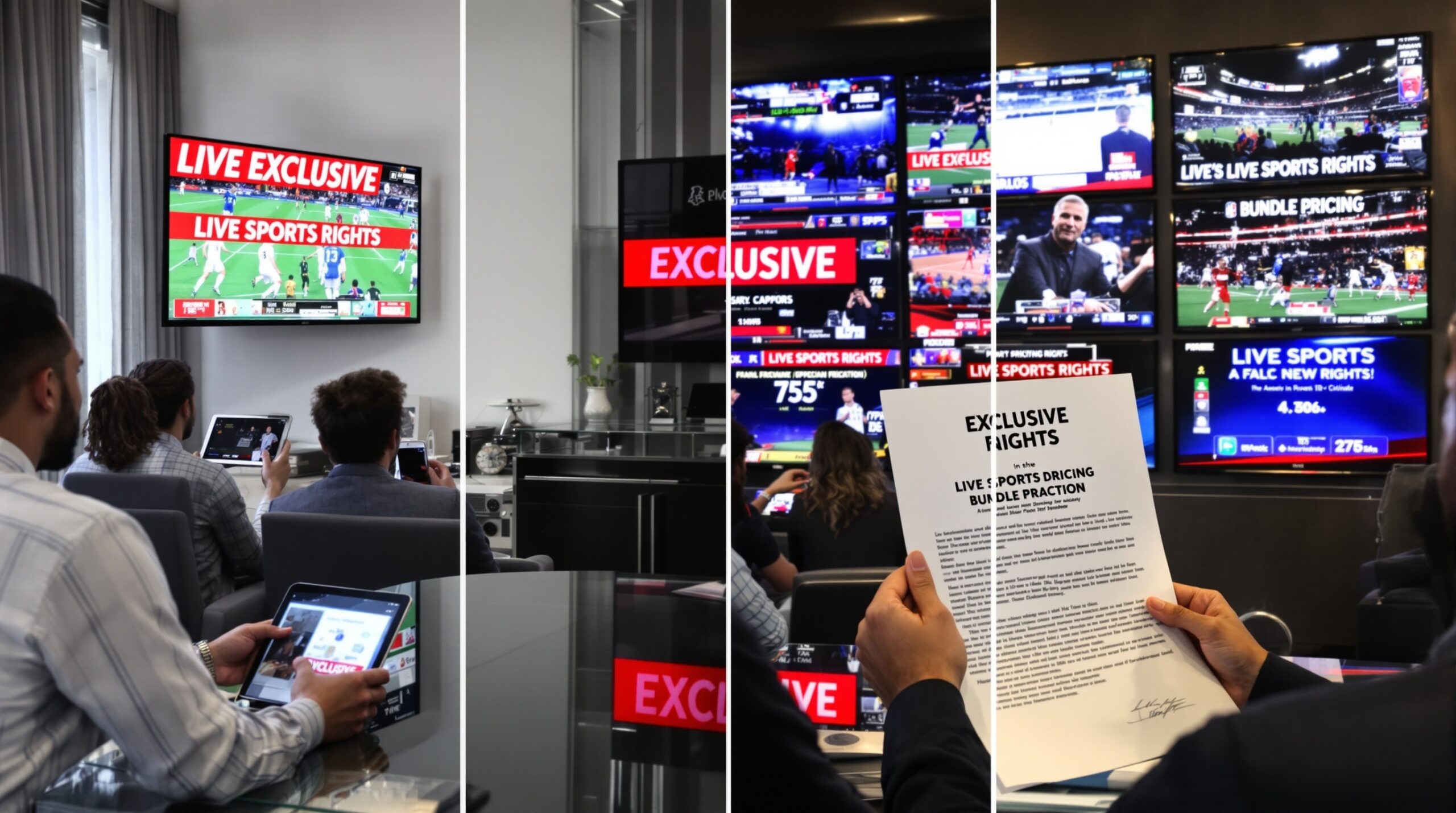
Streaming platforms now treat live sports as the ultimate subscription magnet. Executives chase exclusive rights to anchor growth and advertising. Fans feel the shift as bundles replace traditional cable packages. The landscape moves quickly, and strategies keep evolving with each rights cycle.
Why Exclusivity Drives the Streaming Race
Exclusive rights deliver appointment viewing in a crowded on-demand world. Sports still draw simultaneous audiences and premium ad buyers. Platforms use exclusivity to reduce churn and justify higher prices. Leagues trade exclusivity for reach, innovation, and guaranteed revenue floors. The push and pull defines every modern negotiation.
Streaming also concentrates valuable viewing data. Services track engagement, promotions, and ad performance in granular detail. Those insights influence future programming and product features. Competition intensifies as technology promises better experiences than legacy broadcasts. The race accelerates with each season and each marquee event.
NFL Case Study: Fragmentation and New Exclusives
The NFL illustrates streaming’s new center of gravity. Amazon’s Prime Video took exclusive Thursday Night Football in 2022. YouTube TV gained NFL Sunday Ticket in 2023, ending DirecTV’s long tenure. Peacock streamed an NFL playoff game exclusively in January 2024. That move marked a significant streaming milestone for the league.
ESPN retains Monday Night Football across ESPN platforms and ESPN+. CBS and Fox continue Sunday afternoon packages. Those games also fuel Paramount+ and authenticated TV Everywhere apps. NFL+ offers local and primetime games on mobile, plus NFL RedZone. Fans must navigate multiple services based on day and window.
Platforms differentiate with features and data. Prime Video promotes alternative feeds using Next Gen Stats and announcer options. YouTube TV emphasizes multiview, key plays, and flexible DVR. Peacock leans on exclusive windows and integrated on-demand libraries. Each service aims to make switching harder and loyalty stronger.
Global Football Rights Reorder the Map
Apple’s MLS Season Pass created a global streaming template. The 10-year agreement began in 2023 with worldwide availability. Apple also streams MLB Friday Night Baseball on an exclusive basis. Those packages highlight Apple’s platform-first strategy with integrated subscriptions. The model prizes consistency, data, and international reach.
NBC holds U.S. Premier League rights through 2028. Peacock carries many exclusive matches alongside NBC and USA Network. Paramount+ streams UEFA Champions League and related tournaments in the United States. That long horizon supports marketing, shoulder programming, and multilingual feeds. ESPN+ streams LaLiga in the United States through 2029.
European rights continue fragmenting by territory and platform. Amazon streamed select Premier League rounds in the United Kingdom. The next cycle shifts packages back to Sky and TNT Sports. That change reflects evolving economics and bidder priorities. Fans will continue juggling services by league, market, and kickoff time.
Combat Sports, Motorsports, and Emerging Properties
ESPN+ remains central for UFC in the United States. The service carries pay-per-view distribution and extensive undercards. Boxing spreads across DAZN, ESPN, Showtime’s legacy library, and pay-per-view partners. Rights vary by promoter, fighter, and geography. Fragmentation challenges discovery but allows flexible monetization.
Formula 1 surges with streaming and social engagement. The United States rights sit with ESPN, while F1 TV Pro expands globally. Broadcasters and F1 support data-rich streams and timing overlays. These features appeal to younger fans and cord cutters. They also unlock new ad and sponsorship categories.
Women’s sports gain mainstream streaming placement and investment. The NWSL struck a multi-partner deal beginning in 2024. Partners include ESPN, CBS Sports, Prime Video, and Scripps’ Ion. Those packages boost reach across broadcast and streaming. The strategy balances visibility and revenue during a growth phase.
Golf illustrates hybrid distribution models. PGA Tour Live moved to ESPN+ with extensive featured groups. Peacock, Paramount+, and others support major championships with simulcasts. International markets carry unique arrangements by governing body. Fans follow schedules across apps, months, and time zones.
Bundles Reshape Access and Economics
As rights spread, bundles return with a streaming twist. Virtual multichannel services mimic cable with cloud DVRs. YouTube TV, Hulu + Live TV, Fubo, and Sling anchor that tier. They add sports add-ons and 4K upcharges. Convenience competes with price as lineups shift.
Direct-to-consumer bundles also accelerate. The Disney Bundle combines Disney+, Hulu, and ESPN+ at discounted rates. Hulu + Live TV includes Disney+ and ESPN+ for many subscribers. Max offers a B/R Sports add-on for select events. Paramount+ and Peacock package news, entertainment, and live sports value.
Distributors use bundles to stabilize carriage disputes. A 2023 deal added streaming apps to a major cable package. The move signaled a hybrid future for pay television. Sports keeps leverage as must-have programming for partners. Customers benefit when credentials unlock both worlds seamlessly.
Meanwhile, a planned joint sports venture drew heavy attention. Disney, Fox, and Warner Bros. Discovery announced a streaming bundle. The project aims to aggregate top U.S. sports networks. Regulators and competitors scrutinized its market impact and pricing. The outcome could reshape bundling across the industry.
The RSN Unraveling and Team DTC Pivots
Regional Sports Networks face financial strain after cord cutting. Bankruptcy proceedings disrupted several local rights agreements. Teams and leagues pursued new models rapidly. Some clubs launched direct-to-consumer services with monthly subscriptions. Others shifted to broadcast stations with streaming companions.
Major League Baseball provided in-market streaming for affected teams. The Padres and Diamondbacks moved under league production in 2023. Other clubs experimented with new distribution under revised deals. NBA and NHL teams launched apps with flexible pricing. Examples include the Jazz and Golden Knights with local platforms.
Legacy RSNs also introduced stand-alone options. NESN 360 launched for Bruins and Red Sox fans in New England. Bally Sports+ offered team packages in many markets. These services test price tolerance and production workflows. The experiments inform future league strategies and partnerships.
Advertisers follow audiences across these new channels. Local sponsorships integrate into streams and alternate feeds. Dynamic ad insertion targets fans by device and location. New attribution methods promise clearer performance metrics. Teams reposition inventory as data improves valuation and reporting.
Features, Technology, and Advertising Become Differentiators
Platforms compete on experience as much as rights. Low latency, consistent 4K, HDR, and surround sound now matter. Multiview, key plays, and pause-live tools improve control. Alternate broadcasts target casual and hard-core fans differently. These features encourage deeper engagement across long seasons.
Sports betting integrations expand with cautious guardrails. Some streams layer live odds and predictive graphics. Others partner with sportsbooks for co-branded shows. Shoppable overlays and QR codes bridge commerce and content. Expect interactivity to grow as regulations and comfort develop.
Targeted advertising remains a core revenue promise. Services match creative to cohorts and moments in games. Sponsors buy context around stars, rivalries, and milestones. Measurement still evolves across devices and walled gardens. Progress here influences future rights fees and renewals.
Antitrust Scrutiny, Blackouts, and Consumer Impact
New bundles face antitrust questions from rivals and regulators. Competitors argue that exclusivity can disadvantage independent services. Courts and agencies weigh market concentration and consumer harm. Outcomes will shape future joint ventures and distribution agreements. Legal uncertainty lingers as business models shift quickly.
Blackouts frustrate fans across multiple leagues. Territorial rules block in-market streaming for many teams. Contracts often protect linear partners and ticket sales. Leagues experiment with lifted blackouts when deals collapse. However, comprehensive reform remains politically and commercially complex.
Costs also rise as rights escalate and bundles expand. Monthly bills now combine entertainment, news, and sports. Consumers must track trials, add-ons, and seasonal passes. Confusion breeds churn without clear value and discovery tools. Aggregators that simplify billing and search gain advantage.
Despite challenges, streaming expands access to international content. Time-shifting and personalized highlights help busy fans. Language options broaden reach across demographics and regions. Social clips accelerate discovery and fandom for niche sports. The new ecosystem rewards agile viewers and platforms.
What to Watch Next
Leagues will keep slicing packages for multiple partners. Expect more exclusive windows, alternate feeds, and global carve outs. Negotiations highlight data sharing, production standards, and flexibility. Owners want technology commitments alongside rights fees. Broadcasters seek promotional commitments and cross-platform visibility.
Upcoming renewal cycles will test every player. Basketball, hockey, baseball, and soccer packages will rotate over time. New bidders may enter with focused, regional strategies. International rights can offset domestic constraints for global platforms. Competitive intensity should remain high across major markets.
Technology will define the next competitive edge. Reliable 4K streams and low latency will become table stakes. Personalization will drive recommendations and upsells. Contextual commerce will connect merchandise and tickets to moments. These tools turn live games into year-round engagement engines.
Partnerships will evolve with carrier and device bundles. Telecom and hardware makers bundle subscriptions to reduce churn. Seasonal passes may package travel, betting, or fantasy benefits. The most successful bundles will feel simple and transparent. Fans will reward clarity and value over clutter.
Conclusion: A Faster, Tighter Race for Fan Attention
Streaming platforms see live sports as essential, not optional. Exclusive rights secure subscribers, ads, and cultural relevance. Bundles respond to fragmentation by reassembling value for fans. The balance between access, price, and simplicity remains delicate.
Leagues will keep testing partners that deliver reach and innovation. Platforms will refine features that make viewing sticky and social. Fans will keep mixing subscriptions to follow teams and stars. The race continues, and the playbook keeps changing.
