

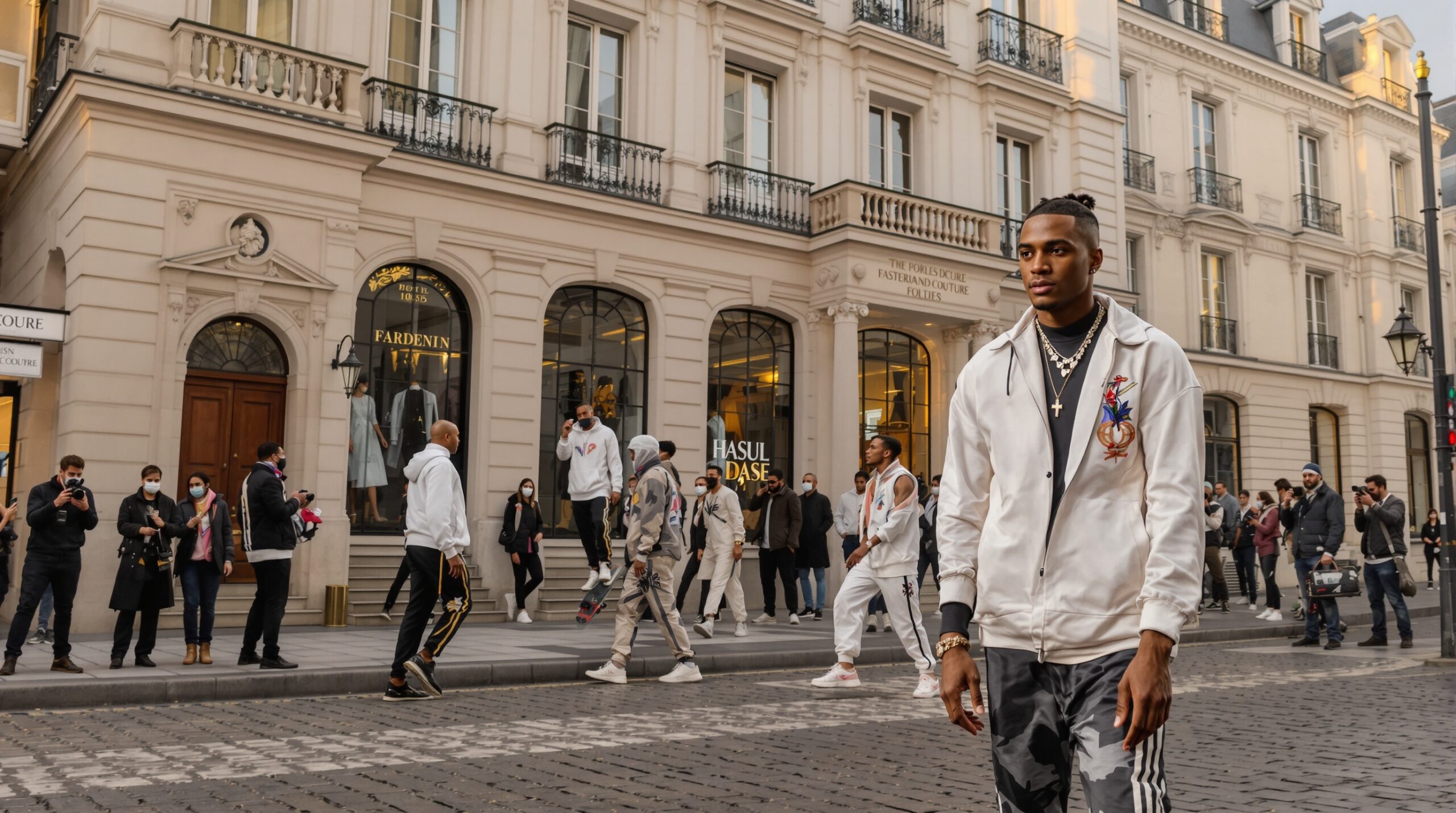
Streetwear now sits front row at luxury shows, and athletes increasingly sit at the design table. Luxury houses see cultural gravity shifting toward arenas, courts, and tracks. Fans follow athletes’ tunnel fits as closely as runway looks. Labels respond by launching athlete-designed capsules that merge sport codes with couture craft. The collision reshapes silhouettes, storytelling, and the business of aspiration.
Why Athletes Are Moving Into Design Studios
Elite athletes carry global platforms and credible personal style. They post outfits daily and test performance ideas nightly. Luxury houses value that immediacy and authenticity. Co-design unlocks stories that feel lived, not borrowed. The model also deepens community, because fans view athletes as approachable trendsetters.
These capsules offer clear business advantages as well. Limited drops generate urgency and efficient sell-through. Press coverage expands beyond fashion pages into sports media and social channels. The arrangement also diversifies a house’s creative voice without a permanent overhaul. That flexibility matters when tastes change quickly.
Streetwear culture further accelerates the shift. Drop calendars, logo play, and collectible sneakers translate naturally into capsule formats. Luxury artisanship elevates those street codes with better materials and execution. Together, they produce pieces that feel both casual and monumental.
A Short Timeline Of A Fast-Moving Crossover
Early precedents signaled where the market would go. Russell Westbrook partnered with Barneys New York on curated capsules starting in 2014. The projects mixed downtown labels and luxury retail discipline. They previewed athletes as credible multi-brand collaborators. That foundation proved influential for later luxury strategies.
Tommy Hilfiger expanded the idea by co-designing seasonal lines with Lewis Hamilton. The TommyxLewis capsules ran across multiple seasons from 2018 onward. They blended racing cues, relaxed tailoring, and streetwear shapes. The range brought a Grand Prix swagger into fashion capitals. The collaboration demonstrated sustained appetite for athlete-led design.
Luxury houses also tightened links with leagues and teams. Louis Vuitton signed a multi-year partnership with the NBA in 2020. The house produced trophy travel cases and Virgil Abloh designed capsule assortments. While not athlete-designed, the activation normalized sports inside top-tier luxury. That shift encouraged bolder, athlete-fronted projects elsewhere.
By 2022, athlete capsules reached broader categories and price ladders. BOSS released a co-designed capsule with Matteo Berrettini, blending tennis heritage and off-court polish. Loewe partnered with On on performance-leaning apparel, amplifying sneaker culture within luxury. Prada reimagined football boots with Adidas, which top players wore on pitch. Each step brought sport function and street status deeper into the luxury ecosystem.
Case Studies That Map The Playbook
TommyxLewis Turned Paddocks Into Runways
Lewis Hamilton co-designed recurring Tommy Hilfiger capsules with strong streetwear energy. The collections paired varsity motifs with sharp tailoring. Graphics, motorsport stripes, and relaxed fits anchored the aesthetic. Materials improved across seasons, balancing comfort and finish. The project showed that athlete design can scale beyond one-off hype.
BOSS And Matteo Berrettini Mixed Court And Coast
BOSS worked with Matteo Berrettini on a capsule reflecting Italian summer ease. The assortment included polos, caps, and lightweight layers. Pieces referenced tennis culture without leaning into uniforms. Off-court wearability guided silhouettes and color choices. The capsule reinforced BOSS’s smart-casual authority while channeling Berrettini’s persona.
Richard Mille And Rafael Nadal Engineered Wearable Extremes
Rafael Nadal co-developed ultra-light tourbillon watches with Richard Mille. He wore them during matches, proving durability and comfort. The RM 27 series embodied extreme engineering and elite sport credibility. Streetwear collectors embraced the watches as cultural trophies. The collaboration broadened luxury’s athlete-designed narrative beyond apparel.
Audemars Piguet And LeBron James Balanced Power And Restraint
LeBron James collaborated on a limited Royal Oak Offshore in 2013. The design featured a grey dial, titanium, and pink gold. His signature appeared on the caseback, underscoring authorship. The watch framed athletic dominance through refined materials. It bridged courtside swagger and classic Swiss craft.
Hublot’s Athlete Editions Extended The Model
Hublot produced athlete-guided editions with stars like Usain Bolt and Kobe Bryant. These watches integrated each athlete’s story and iconography. Limited runs generated collector attention and sports media coverage. Design input ensured authenticity in details and materials. The format translated seamlessly into broader fashion capsules.
Design Codes: Where Streetwear Meets Couture
Silhouette is the first meeting point. Hoodies, coach jackets, varsity knits, and track pants anchor capsules. Luxury houses then elevate them using cashmere, silk blends, and technical wools. Finish work includes hand-linked ribs, precision taping, and couture-grade linings. The result feels casual in posture yet exacting in build.
Graphics supply the second handshake. Athletes bring numbers, crests, and personal mottos. Designers remix those marks with archival monograms and house signatures. Color stories pivot around team palettes or training hues. Patches, chenille letters, and embroidered badges add tactile depth. These details echo locker rooms and ateliers simultaneously.
Footwear closes the loop between street and salon. Sneaker shapes receive artisanal leather and careful edge painting. Soles reference performance rubber while keeping city comfort. Some capsules include dress sneakers with stitch counts rivaling formal shoes. Others deliver hybrid boots that tolerate weather and red carpets. The language remains fluent across contexts.
Drop Mechanics And Business Outcomes
Most athlete capsules use tight calendars and concise volumes. Previews arrive through tunnels, practice courts, and athlete feeds. First-wear moments create organic publicity before retail launch. Stores then stage focused installations that highlight storytelling. The rhythm mirrors sneaker drops while respecting luxury cadence.
Pricing lands across a thoughtful ladder. Entry accessories invite new customers without eroding brand equity. Mid-tier pieces concentrate on knitwear, denim, and outerwear. Flagship items showcase craft at couture-adjacent levels. The structure supports both buzz and margin discipline. It also reduces dependency on a single hero product.
Resale dynamics add a secondary signal. Scarcer pieces often command healthy premiums after sellout. That pattern validates demand forecasting and future replenishment strategies. Data from waitlists and social listening guides subsequent drops. Retailers adjust allocations to match demonstrated regional heat. Everyone benefits from clearer demand visibility.
Risks, Responsibilities, And Creative Guardrails
Co-design requires real authorship, not superficial logo swaps. Fans recognize when capsules lack an athlete’s voice. Houses should build design sprints around lived performance insights. Fit, material choices, and function must reflect athlete feedback. Authenticity protects both the house and the collaborator.
Over-collaboration presents another risk. Too many capsules can blur brand identity and tire audiences. Clear guardrails, limited calendars, and tight edits help. Distinct narratives also prevent overlap and confusion. A disciplined roadmap sustains excitement across seasons.
Labor and sustainability deserve equal attention. Streetwear volumes can pressure supply chains unfairly. Luxury houses can lead by auditing factories and materials. Recycled nylons, certified wools, and traceable leathers fit the brief. Repair services and take-back programs extend product life. Responsibility keeps the movement credible and modern.
How Media And Culture Amplify The Capsules
Style tunnels now function as runways and billboards. Broadcasters cut to arrivals, and outfits trend instantly. Athletes preview unreleased pieces during those moments. Fans screenshot, circulate, and identify exact SKUs. The cycle compresses discovery and desire into minutes.
Music and gaming deepen the cultural spillover. Players soundtrack shoots and cross-post content across platforms. Esports crossovers borrow jersey concepts and number placements. Capsule storytelling adapts to short video formats gracefully. The narrative remains cohesive across mediums and markets.
What Comes Next For Athlete-Designed Luxury
The runway will get more technical and more personal. Expect modular layers that travel well and style easily. Anticipate bespoke fits that consider diverse bodies and movement. Designers will prototype with athletes during training blocks. Fit data and wear tests will refine production patterns.
Major events will act as launchpads for new capsules. Global tournaments concentrate attention and shape seasonal color stories. Partners will sync drops to travel schedules and marquee matches. Pop-ups will activate near stadiums with collectible exclusives. The strategy will reward precise timing and nimble logistics.
Digital layers will continue to expand the format. NFC tags will verify authenticity and unlock content. Limited digital twins may accompany flagship garments or sneakers. Athletes will host virtual fittings and behind-the-scenes sessions. Those experiences will strengthen community and post-purchase engagement.
Finally, collaboration rosters will diversify. Footballers, hoopers, runners, and drivers already lead the field. Surfers, climbers, and skaters will bring fresh perspectives next. Their sports carry distinct textiles and silhouettes to explore. Luxury houses stand ready to translate those ideas elegantly.
Bottom Line
Streetwear and haute couture no longer trade glances across the room. They collaborate, iterate, and celebrate movement together. Athlete-designed capsules give luxury a living, beating heart. They fuse craft with competition and personality with precision. The outcome feels inevitable, timely, and deeply human.
