

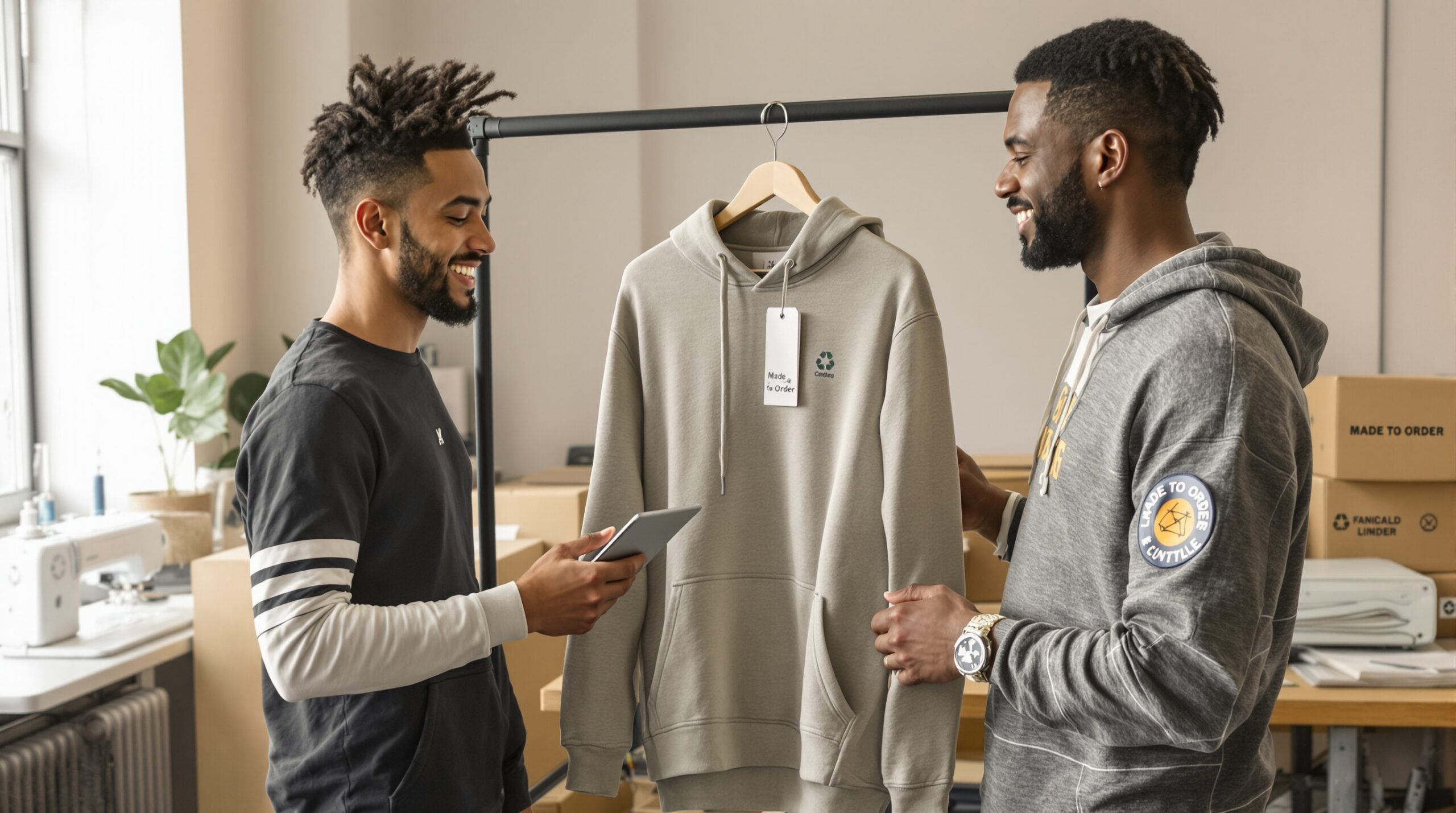
Streetwear built its identity on scarcity, cultural signals, and tightly choreographed drops. Now, many labels are rethinking supply to match values. Made-to-order releases answer pressure to cut waste and prove responsible practice. The model also preserves hype while reducing inventory risk, which strengthens brand resilience.
Shoppers increasingly ask how, where, and why products get made. They value fewer, better items over endless novelty and markdowns. This shift opens space for slower, intentional production without losing cultural relevance. The streetwear drop calendar can evolve while still rewarding community loyalty.
Why Streetwear Is Exploring Made-to-Order Models
Overproduction has haunted fashion for decades, creating waste and eroding margins. Traditional streetwear drops amplified demand spikes but also left unpredictable leftovers. Retail partners pushed volumes, and brands guessed wrong on sizes or colors. Labels see made-to-order as a cleaner way to align supply with real demand.
Overproduction Meets the Hype Cycle
Classic drops favored pre-made inventory and rapid sell-through expectations. When demand missed, unsold goods moved to discounts or storage. That cycle trained customers to wait for deals, undermining brand equity. Made-to-order reframes the drop as a reservation system, so units match confirmed orders.
Rising Sustainability Expectations Shape Purchasing Choices
Younger shoppers reward authenticity backed by measurable impact. Many look for fewer deadstock piles and more transparent sourcing. Streetwear communities respond to narrative and craft, not only logos and releases. That preference supports slower production if communication remains honest and engaging.
How Made-to-Order Drops Operate in Practice
Labels open a defined pre-order window with clear delivery timelines. Customers pay upfront or place deposits to secure pieces. The brand aggregates orders, finalizes quantities, and books materials accordingly. This approach converts hype into data and informs downstream production decisions.
Production Planning and Lead Times
Some brands rely on microfactories or nearshore partners to compress timelines. Others batch by style to hit efficient cutting and sewing runs. Realistic delivery windows range from weeks to a few months, depending on complexity. Clear milestone updates help customers stay engaged during the wait.
Materials, Customization, and Constraints
Suppliers can reserve greige goods, then dye or finish to order. This reduces color overstock and supports tighter resource control. Limited customization, like embroidery or patches, adds perceived value without long delays. Careful design choices keep variability manageable while preserving signature aesthetics.
Business Impact and Unit Economics
Made-to-order reduces working capital tied in speculative inventory. Brands collect cash sooner, then spend with greater certainty and discipline. Lower write-downs protect gross margins and reduce end-of-season volatility. This stability supports investment in quality, service, and responsible materials.
Pricing, Scarcity, and Demand Shaping
Scarcity shifts from quantity limits to time-bound access and commitment. Brands can use tiered pricing for early supporters or premium finishes. Waitlist insights inform restocks or second waves without guesswork. Thoughtful mechanics preserve excitement while improving fairness and inventory accuracy.
Technology Enabling the Shift
3D design and digital sampling reduce physical prototypes, saving materials and time. Accurate renders strengthen pre-order confidence and conversion. Order orchestration platforms synchronize e-commerce, production, and logistics. Batch planning tools optimize fabric usage, cutting time, and factory capacity.
Traceability, Passports, and Compliance
Digital product passports can capture origin, materials, care, and repair guidance. They also support recycling and regulatory disclosures when required. Streetwear labels can embed QR codes for aftercare and authenticity verification. These tools deepen trust and fight counterfeits while clarifying impact claims.
Customer Experience and Community Management
Successful made-to-order programs over-communicate at every stage. Brands share factory start dates, quality checks, and shipping milestones. Behind-the-scenes content turns waiting into a meaningful journey. This narrative keeps communities connected and reduces support tickets and cancellations.
Fit, Returns, and Resale Pathways
Pre-orders heighten fit risk because customers cannot try before buying. Detailed size guidance, videos, and community feedback reduce uncertainty. Some labels integrate peer-to-peer resale for misfit items, keeping pieces in circulation. That safety net strengthens confidence without forcing speculative overproduction.
Environmental Considerations and Evidence
Made-to-order primarily reduces waste by avoiding unsold inventory. It can also lower material overruns and storage emissions. However, environmental benefits depend on transport, energy sources, and return rates. Brands should measure outcomes using transparent methods and share progress clearly.
Packaging, Shipping, and Last-Mile Impacts
Batch shipping from nearshore facilities reduces air freight reliance. Recyclable or reusable packaging cuts waste with minimal cost trade-offs. Consolidating orders for the same customer avoids multiple parcels and emissions. These logistics choices reinforce made-to-order gains and support credible impact storytelling.
Risks, Constraints, and Operational Trade-Offs
Production delays can erode trust and cause churn. Robust quality control and buffer timelines help protect delivery promises. Supplier capacity must match drop cadence and variability. Governance, contracts, and dual sourcing reduce single-point failures across the chain.
Accessibility, Inclusion, and Price Sensitivity
Made-to-order can raise prices due to smaller batches and added coordination. That pressure risks excluding budget-conscious fans. Brands can offer essentials lines, extended sizes, and community discounts. These steps broaden access while sustaining responsible production commitments.
Outlook and Practical Recommendations
Start with pilot capsules to validate demand and workflows. Share learnings openly and refine cadence, materials, and messaging. Invest in accurate product data, factory partnerships, and post-purchase communications. This groundwork supports durable programs that honor culture and reduce waste meaningfully.
Collaborations can de-risk adoption and extend capabilities. Fabric mills, print partners, and logistics providers can co-develop flexible capacity. Community councils provide feedback on designs, fit, and delivery expectations. Together, these elements turn made-to-order from a tactic into a strategic advantage.
