

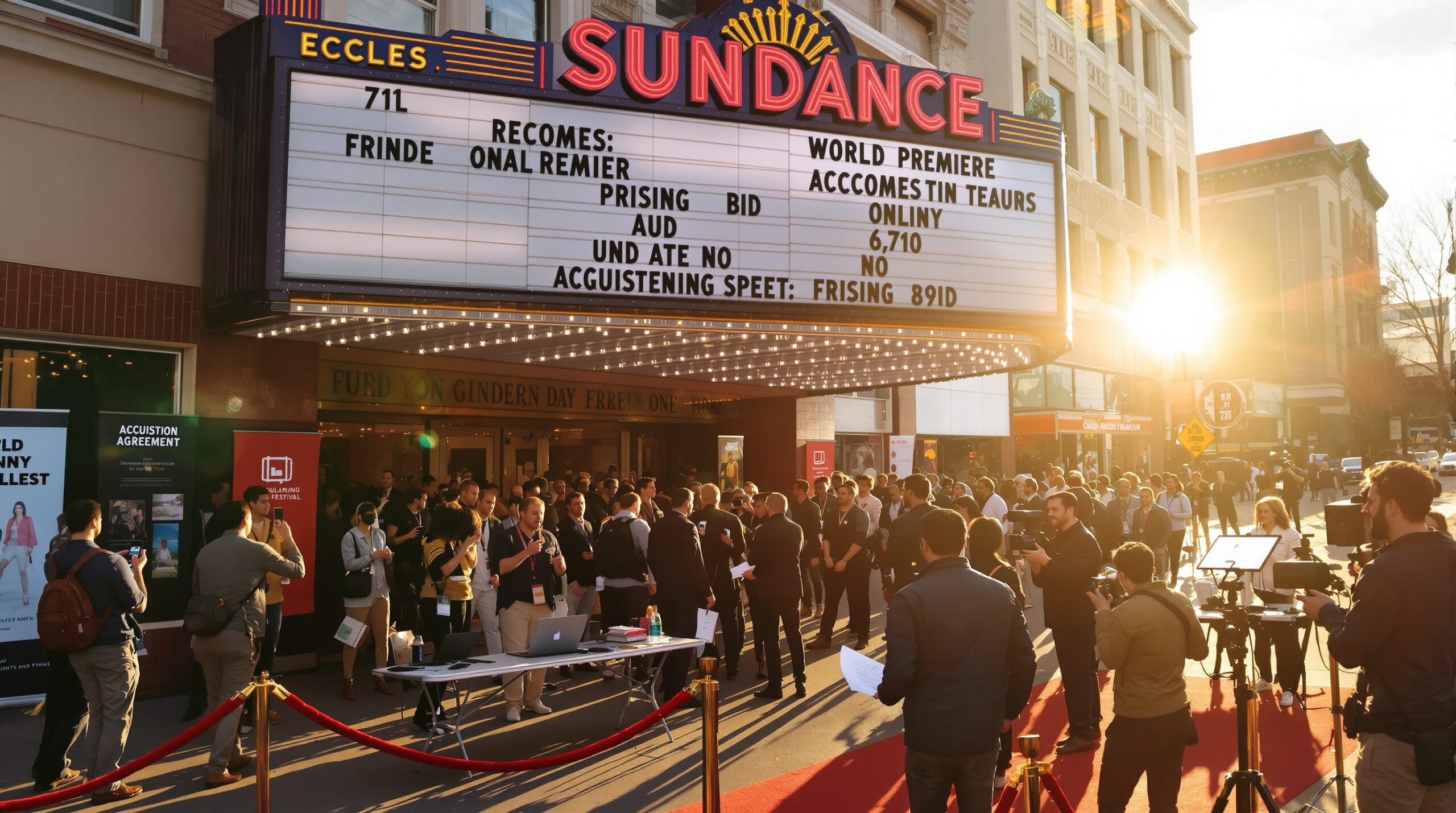
Park City buzz grows louder as bidding wars break out across Main Street suites and late-night lounges. Streamers are moving fast and writing big checks for festival breakouts with global appeal. Traditional studios still compete, but their spending looks more selective and targeted this season. That shift is reshaping the Sundance marketplace in real time.
Agents report packed screenings and immediate offers following raucous premieres. Data teams at platforms crunch audience signals within hours of a debut. The cadence favors buyers with instant approvals and deep war chests. That dynamic increasingly advantages streamers chasing subscriber growth and engagement spikes.
The stakes remain high for filmmakers navigating a thicket of deal terms and delivery requirements. Buyer differences now go far beyond price and marketing promises. Distribution strategy and platform placement can determine a film’s long-term cultural footprint. Those pressures set the stage for intense negotiations all week.
Why Streamers Are Spending Big
Subscription services face relentless retention and churn challenges across crowded markets. Breakout films offer fresh value that drives sign-ups and usage minutes. A buzzy Sundance title can fuel homepage takeovers and algorithmic shelf space for months. That promise pushes streamers to outbid slower rivals that require longer approvals.
Streamers also prefer worldwide rights that simplify marketing and messaging. Global campaigns travel efficiently across product surfaces and languages. Studios often chase territorial splits or staggered windows that complicate rollout timing. Unified rights packages make streamers comfortable with higher upfront guarantees.
Data further shapes these buying decisions and internal greenlights. Platforms analyze trailer engagement, talent affinity, and genre performance patterns. Forecasting models frame likely completion rates and word-of-mouth trajectories. Those tools help justify premium pricing for festival sensation candidates.
Landmark Deals Illustrate the Shift
Recent Sundance history shows streamers repeatedly paying top dollar for heat. Apple set a record with CODA at roughly 25 million dollars in 2021. Hulu and Neon previously notched a record with Palm Springs at 17.5 million dollars. That figure included a playful 69 cents kicker reported at the time.
Netflix bought Fair Play for around 20 million dollars in 2023, according to trades. Apple also acquired Flora and Son for roughly 20 million dollars that year. Apple previously purchased Cha Cha Real Smooth for about 15 million dollars in 2022. Those sums underscored streaming’s willingness to pay for immediate cultural resonance.
This season continues that pattern with headline acquisitions. Netflix secured It’s What’s Inside for a reported mid-teens price. Amazon MGM closed My Old Ass for a figure near the mid-teens as well. Searchlight bought A Real Pain for around 10 million dollars, bolstering awards ambitions.
Genre Breakouts and Documentary Momentum
Midnight selections often ignite fast bidding thanks to vocal crowds and viral hooks. Streamers value horror and high-concept thrillers that convert into strong completion rates. Marketing teams can craft concise trailers and bold thumbnails quickly. That playbook rewards inventive genre pieces with clear, shareable concepts.
Documentaries continue to draw consistent attention from platforms seeking prestige and conversation drivers. Netflix has leaned into Sundance documentaries like The Social Dilemma. CNN Films and HBO Max partnered on Navalny following its festival momentum. National Geographic has regularly targeted distinctive nonfiction, including Fire of Love.
How Studios Are Adjusting Strategy
Legacy studios now focus on tighter slates and targeted campaigns. Specialty divisions guard budgets while pursuing awards contenders and filmmaker relationships. Marketing costs and theatrical uncertainty still push caution on larger guarantees. Those realities give streamers room to set the marketplace tempo.
Independents and prestige banners continue to compete through curation and craft. A24, Focus, and Searchlight emphasize theatrical pathways and critical endorsements. Their teams can nurture discovery with careful platform releases and festivals. That approach prioritizes durability over immediate global reach.
New Deal Structures and Marketplace Tactics
Deals increasingly combine large minimum guarantees with performance-triggered bonuses. Streamers prefer buyouts that consolidate rights and simplify exploitation. Revenue corridors sometimes appear for premium video-on-demand or limited theatrical windows. Sellers weigh those elements against potential upside and promotional certainty.
Fast timelines drive negotiations after splashy premieres and packed second screenings. Completion bonds, delivery schedules, and music clearances influence closing speed. Buyers often ask for aggressive delivery targets to feed programming calendars. Producers juggle post-production needs while protecting creative control and credit.
What Higher Prices Mean for Filmmakers
Big checks can stabilize balance sheets and return money to investors quickly. Streamers typically provide robust marketing placement across product surfaces. Filmmakers also gain global reach without the risk of staggered international releases. Those strengths make streamer deals very attractive during heated auctions.
Tradeoffs still exist for teams considering theatrical paths. Theatrical play can build prestige and eventual library value through awards recognition. Discoverability on platforms remains a constant concern for smaller titles. Filmmakers must assess long-term visibility against near-term financial certainty.
The Economics Behind the Bidding Wars
Platform growth demands steady pipelines of headline-worthy programming. Festival breakouts deliver credibility and cultural relevance that advertising cannot replicate. Ad-supported tiers increase the value of widely viewed films with broad demographics. Those incentives support bold offers that eclipse traditional acquisition ranges.
Cost discipline at studios remains influenced by marketing outlays and windowing complexity. Theatrical campaigns require sustained spending across many weeks and markets. Streamers can substitute paid media with on-platform placements and push notifications. That operational difference lowers incremental costs for each acquisition deployed globally.
Programming Strategy Drives Title Fit
Buyers prioritize films that connect with known audience clusters and interface modules. Breakout comedies can anchor weekend hero rows alongside franchise tentpoles. Heartfelt dramas can support awards corridors and talent spotlights. These placements function like digital billboards for millions of subscribers.
Catalog synergy further shapes offers and negotiations. A platform with strong YA series may chase complementary coming-of-age films. Horror hubs benefit from novel midnight titles with clear hooks. Sellers highlight these alignments when pitching to buyer content teams.
Awards Positioning Still Matters
Awards campaigns can lift viewing, extend engagement, and deepen cultural impact. Some streamers continue to stage targeted theatrical runs for awards eligibility. Specialty labels counter with proven awards machinery and festival networks. Those capabilities sway filmmakers seeking long-term career momentum.
Sundance debuts often serve as launching pads for season-long campaigns. Early buzz can power fall festival returns and guild screenings. That arc requires careful timing and sustained advocacy from the distributor. Sellers assess whether buyers can support that demanding journey.
Impact on Theaters and Post-Festival Life
Theatrical footprints vary widely by title and buyer strategy. Some streamer acquisitions receive brief runs to build word-of-mouth. Others go directly to platform premieres with heavy digital promotion. Those choices shape community cinema ecosystems and local box office rhythms.
Studios and specialty labels still champion platform theatrical releases for select films. Success requires excellent reviews, strategic dates, and durable playability. Eventized screenings and talent Q&As help convert awareness into sales. That model remains viable for the right creative and audience alignment.
What to Watch as This Year Unfolds
Interest rates and corporate cost controls may influence late-stage spending. Ad-tier growth could favor films with broader four-quadrant appeal. Global rights appetite should remain strong among top platforms. Those factors suggest continued streamer strength in high-profile auctions.
Studios may pursue smarter collaborations and shared-risk P&A structures. Co-distribution models and window experiments could gain traction with sellers. Producers will push for transparency on placement and campaign commitments. These moves could rebalance negotiations after the festival dust settles.
The Bottom Line
Sundance remains the definitive test for independent cinema and industry appetite. Streamers currently hold the bidding edge by moving faster and thinking globally. Studios still win when films need theatrical care and awards muscle. Filmmakers must weigh money, visibility, and destiny as offers escalate.
As premieres continue, expect decisive bids, swift papering, and headline prices for the most coveted titles. Marketplace energy favors buyers with integrated marketing and nimble approvals. Creators who align with the right partner will maximize impact beyond Park City. The festival heat now flows directly into living rooms worldwide.
