

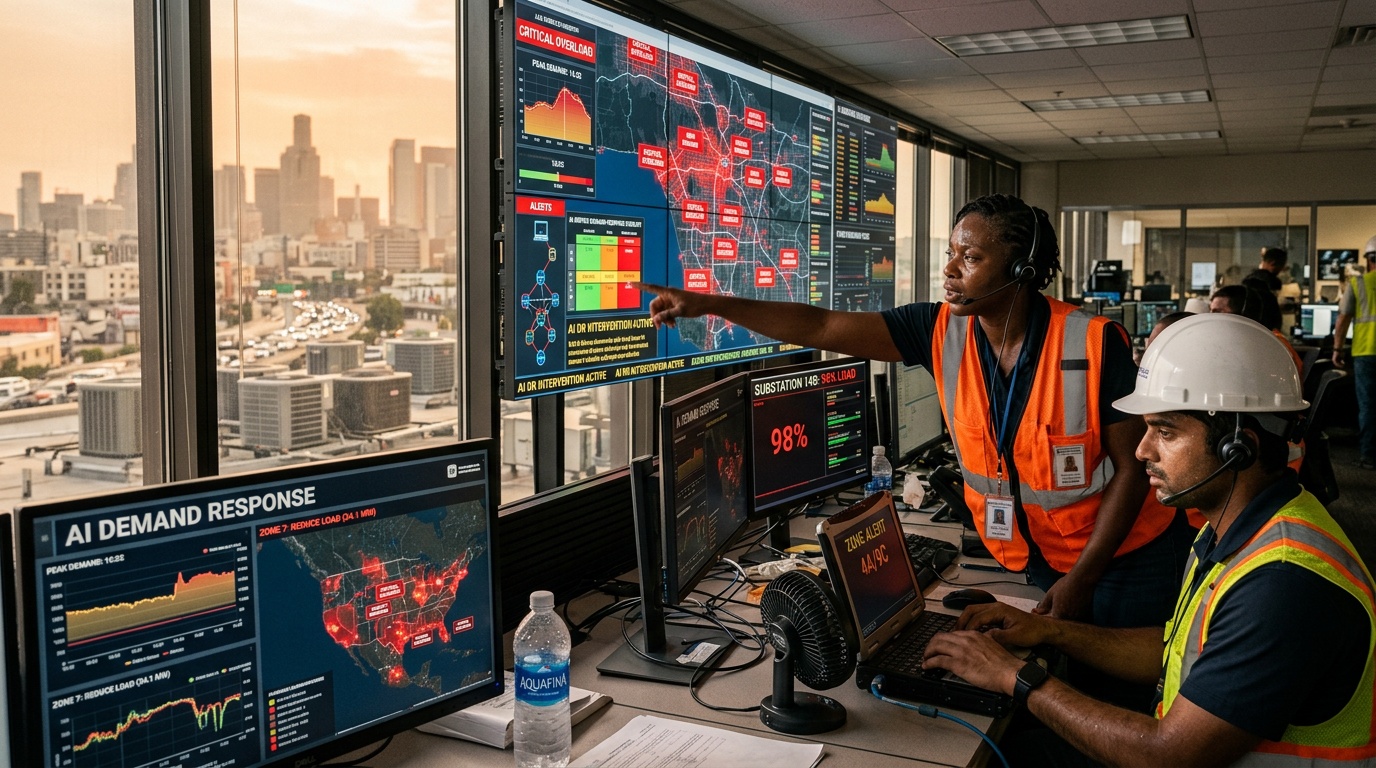
Relentless heatwaves are straining electric systems across continents, exposing vulnerabilities in generation, transmission, and distribution. Surging temperatures drive air-conditioning loads, pushing peaks beyond historical planning margins. Utilities face razor-thin reserves, soaring wholesale prices, and tactical rolling outages. Under pressure, many are fast-tracking AI-driven demand response to stabilize operations and protect customers.
Heatwaves Intensify Grid Stress and Operational Risk
Extreme heat reduces power plant efficiency and derates transmission capacity at critical hours. Thermal generators struggle with cooling limits, while hydro resources face low reservoirs. Solar output often dips in the late afternoon, just as demand surges. The result is a perilous mismatch between supply and peak consumption.
At the same time, heatwaves cluster over large regions, limiting imports from neighboring areas. Interconnections help, yet shared weather patterns reduce mutual aid potential. Grid operators must then rely on reserves and rapid demand-side flexibility. Without timely action, cascading outages become a tangible risk.
Why Demand Peaks Surge During Extreme Heat
Air-conditioning dominates peak load during heat events, especially in growing urban regions. Buildings absorb heat during the day, releasing it after sunset. That thermal lag extends high demand into evening hours. Consequently, peaks persist longer and complicate traditional dispatch strategies.
Electrification also adds sensitive loads, including heat pumps and electric vehicle charging. Data centers and logistics facilities contribute rising baseload and flexible demand. Behavioral patterns shift as households seek comfort, raising coincident peaks. These overlapping forces magnify stress during already constrained conditions.
AI-Driven Demand Response Emerges as a Grid Stabilizer
Demand response reduces consumption when the grid needs relief most. Traditional programs relied on static schedules and manual dispatch. AI transforms this approach with predictive, real-time optimization across thousands of devices. The result is faster, more precise, and more customer-friendly curtailment.
Utilities and aggregators now orchestrate thermostats, water heaters, EV chargers, and commercial controls. Algorithms forecast peaks and dispatch targeted reductions within seconds. Customers receive incentives, comfort safeguards, and transparent notifications. This pairing of automation and engagement makes flexibility durable and scalable.
How the Technology Works Across the Grid Edge
Forecasting, Optimization, and Risk Management
AI models ingest weather forecasts, occupancy signals, tariff data, and device telemetry. They predict feeder-level peaks and building response potential. Optimization engines then schedule device setpoint shifts to meet reliability needs. Operators gain probabilistic confidence intervals that inform conservative or aggressive strategies.
Device Orchestration and Market Integration
Secure APIs coordinate millions of edge devices using open standards and utility platforms. Aggregators bundle these flexible loads into dispatchable portfolios. Markets compensate performance through capacity, energy, and ancillary services. Real-time verification ensures delivered reductions match commitments and protect reliability.
Case Studies and Early Outcomes
Several regions reported meaningful peak reductions using AI-enabled programs. Residential thermostat orchestration has delivered five to fifteen percent peak relief. Commercial building automation adds deeper, shorter-duration cuts without productivity loss. Together, these resources defer peaker plants and reduce outage risks.
Grid operators have also used automated demand response to balance renewable swings. Fast-acting controls support frequency and voltage during rapid solar ramps. Day-ahead forecasts align demand flexibility with expected wind variability. These outcomes demonstrate value beyond heat emergencies.
Reliability, Equity, and Customer Trust
Effective programs protect comfort and prioritize safety during extreme heat. Algorithms enforce temperature bounds and health safeguards for vulnerable customers. Utilities design opt-outs, staged events, and transparent communications. These measures maintain trust and sustain long-term participation.
Equity considerations remain central as technology scales. Incentive structures should include renters and low-income households without smart devices. Community-based enrollments can expand access and distribute benefits fairly. Equitable design strengthens resilience across entire service territories.
Integrating Renewables, Storage, and Flexible Loads
AI-driven demand response complements batteries and distributed generation. Coordinated schedules maximize solar self-consumption and minimize grid stress. Flexible loads shift to sunny hours or overnight wind periods. That coordination reduces curtailment and smooths net demand.
Vehicle-to-grid and managed charging add significant future flexibility. Smart charging avoids peak hours and supports local feeders. Bidirectional systems can export during critical events with safeguards. The combination enhances reliability and decarbonization without major new infrastructure.
Data, Privacy, and Model Performance
High-quality data underpins accurate forecasts and dependable dispatch. Utilities set clear governance for metering, consent, and retention. Privacy-preserving methods, including federated learning, limit exposure of sensitive information. Model monitoring detects drift and adapts to evolving customer behavior.
Calibration also matters at distribution and feeder levels. Localized models capture microclimates and distinct building stocks. Operators need dashboards that translate predictions into actionable controls. This transparency bridges data science and real-time grid operations.
Policy, Standards, and Market Design
Regulatory frameworks increasingly recognize aggregated distributed energy resources. Market participation rules now reward verifiable, fast-responding demand-side resources. Performance-based ratemaking can fund utility platforms and customer incentives. Clear measurement and verification standards support consistent outcomes and fair payments.
Interoperability standards reduce integration costs and vendor lock-in. Open protocols enable seamless device enrollment and secure control. Certification programs validate cybersecurity and demand response capabilities. These foundations accelerate adoption and protect critical infrastructure.
Cybersecurity and Resilience at the Grid Edge
Security remains paramount as millions of devices connect to grid platforms. Strong authentication, encryption, and zero-trust architectures reduce attack surfaces. Segmented networks isolate critical operations from consumer devices. Continuous monitoring and incident drills strengthen organizational readiness.
Resilience also depends on fail-safe designs and graceful degradation. Devices should default to safe local control during disruptions. Operators need manual overrides and diversified communication paths. These practices keep reliability intact during cyber or weather shocks.
Economics and Consumer Value
AI-driven demand response delivers measurable economic benefits across stakeholders. Utilities avoid expensive peaker usage and deferred infrastructure investments. Customers receive bill savings, incentives, and improved comfort management. Society benefits from reduced emissions and fewer outage disruptions.
Dynamic pricing can enhance these outcomes with careful design. Clear signals guide flexible consumption without confusing customers. Protections cap exposure during extreme events and safeguard vulnerable participants. Thoughtful tariffs align private incentives with public reliability goals.
The Road Ahead During a Warming Climate
Heatwaves will likely grow more frequent, longer, and more severe. Grid planners can no longer rely on historical norms. AI-enabled flexibility provides a scalable buffer against extreme peaks. It also supports decarbonization by integrating variable renewables.
Next steps include broader enrollment, deeper automation, and robust standards. Utilities should expand partnerships with cities, aggregators, and manufacturers. Research should refine comfort models and occupant-centric controls. With persistence, demand flexibility can anchor a resilient, low-carbon grid.
