

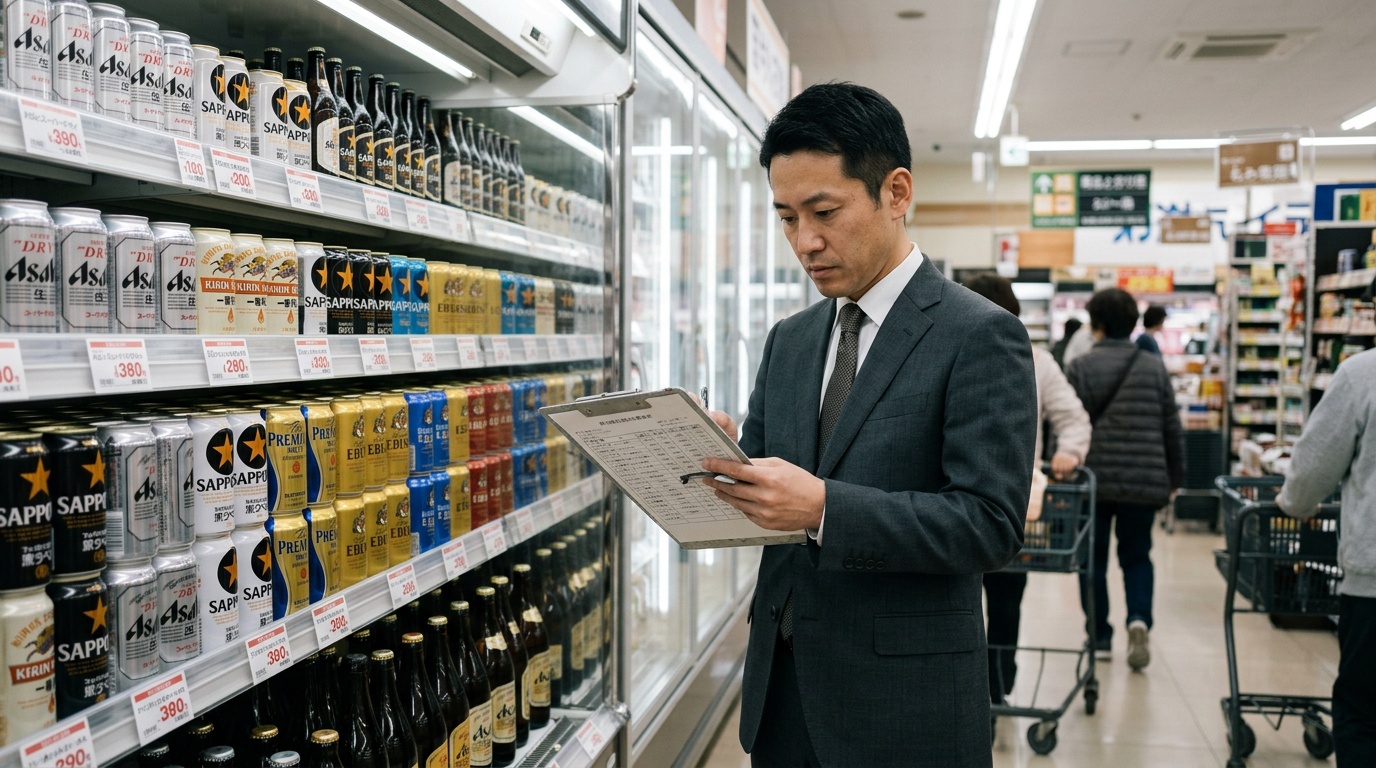
What regulators are examining
Japan’s competition watchdog is examining leading brewers over allegations that they coordinated beer prices. The Japan Fair Trade Commission enforces the country’s Antimonopoly Act. Reports have connected Asahi Breweries, Kirin Brewery, Sapporo Breweries, and Suntory’s beer operations with the inquiry. Investigators will determine whether rivals restricted competition through agreements or shared pricing plans. No regulator has established liability through a final decision.
The reported allegations concern possible price coordination among competitors. Investigators may examine whether companies exchanged future pricing information or reached a common understanding. Public information about the precise products and sales channels remains limited. That uncertainty should prevent premature conclusions about any company’s conduct.
The exact scope matters because breweries sell numerous products through several channels. They supply cans to retailers, bottles to restaurants, and kegs to hospitality businesses. Each channel uses different contracts, discounts, rebates, and delivery arrangements. Investigators must distinguish independent market responses from coordinated conduct.
Why alleged price-fixing matters
Competitors generally must make pricing decisions independently. Companies may follow market trends, respond to costs, or match publicly announced prices. However, they cannot secretly agree on prices, increases, discounts, or other important trading conditions. Such agreements can weaken competition without creating a formal written contract.
Parallel price increases do not automatically prove a cartel. Brewers often face similar expenses for malt, aluminum, glass, transportation, electricity, and labor. Those pressures can produce comparable decisions across an industry. Regulators therefore seek evidence showing communication, mutual commitments, or deliberate coordination.
Investigators could review emails, meeting records, internal presentations, telephone logs, and pricing schedules. They may compare communications with later announcements and contract changes. They could also interview executives, sales employees, distributors, and former staff members. The timing and language of discussions may become particularly important.
That evidentiary distinction protects both competition and legitimate business activity. Regulators must challenge collusion without punishing companies for reacting independently. Businesses also retain the right to explain their decisions and contest unfavorable findings. An investigation alone does not demonstrate guilt.
A concentrated and changing beer market
Japan’s beer market centers on four large brewing groups. Their brands fill supermarket shelves, convenience stores, restaurants, bars, and vending channels. Smaller craft breweries have expanded, but they hold a comparatively modest national presence. This concentration naturally increases scrutiny of contacts between major competitors.
Brewers compete through branding, packaging, restaurant relationships, promotions, and product development. They also negotiate with powerful retailers and wholesalers. These buyers often demand discounts, marketing support, and reliable nationwide distribution. Pricing therefore reflects negotiations throughout a complicated supply chain.
Japanese beer demand has changed as the population ages and drinking habits evolve. Many younger consumers drink less alcohol or choose different beverages. Brewers have responded with nonalcoholic beer, ready-to-drink cocktails, premium products, and overseas acquisitions. Slower domestic demand places additional pressure on established brands.
Costs provide context, not a defense
Brewers have faced higher costs for ingredients, packaging, fuel, and logistics. Labor shortages have also increased distribution expenses across Japan. Companies may lawfully raise prices when they reach those decisions independently. Shared cost pressures never authorize competitors to coordinate their responses.
Japan’s alcohol tax reforms have also reshaped the market. Beer, low-malt happoshu, and third-category products historically carried different tax burdens. A phased reform culminated in October 2026 for beer-like beverages. The changes reduced tax-driven differences between those categories and altered commercial incentives.
These market shifts explain why several producers might adjust prices around similar periods. However, regulators will focus on how each brewer reached its decision. Internal forecasts and approval records could show genuine independence. Communications between competitors could support a different interpretation.
How Japan’s enforcement process works
The Japan Fair Trade Commission can request documents, question employees, and conduct on-site inspections. Investigators often collect large amounts of digital and paper evidence. They then assess whether the conduct violated the Antimonopoly Act. That process can continue for months or longer.
The law prohibits unreasonable restraints of trade, including agreements that control prices or restrict sales. The commission can issue cease-and-desist orders after establishing a violation. It can also impose financial surcharges under statutory rules. Serious cases may trigger criminal referrals, although prosecutors decide whether to pursue charges.
Companies can submit evidence and challenge the commission’s conclusions. They may argue that market conditions caused similar behavior. They might also show that separate teams developed prices without competitor input. Some investigations close without formal penalties when the evidence remains insufficient.
Cooperation and leniency can influence the case
Japan operates a leniency system for businesses that disclose cartel conduct and assist investigators. Early applicants may receive substantial reductions in financial penalties. The system encourages participants to reveal secret arrangements before competitors act. It can also provide regulators with messages, documents, and direct testimony.
Companies usually strengthen internal compliance efforts during a competition investigation. Lawyers may preserve records, interview employees, and review contacts with industry peers. Management teams may also restrict informal discussions at trade association meetings. These steps protect evidence and reduce further legal risks.
Possible effects on customers and consumers
Price coordination can affect businesses before products reach consumers. Wholesalers may pay more, while restaurants may face narrower negotiating options. Retailers could receive smaller discounts or less favorable promotional support. Those costs may eventually reach customers through higher menu or shelf prices.
However, retail beer prices include taxes, distribution costs, rents, and seller margins. Investigators cannot assume that every increase resulted from producer conduct. They must connect any agreement with identifiable commercial effects. Economic analysis may help estimate those effects across different channels.
The inquiry could also influence relationships between brewers and distributors. Buyers may demand clearer pricing methods and stronger contractual protections. Restaurants could seek new suppliers or renegotiate existing arrangements. Smaller producers might gain opportunities if customers diversify their purchases.
What businesses and investors should watch
The next important developments will involve the investigation’s scope, evidence, and potential findings. Formal orders would explain the suspected conduct more precisely. They could identify relevant products, employees, communications, and time periods. An early closure would carry a very different meaning.
Investors will monitor possible penalties, litigation, and reputational damage. They will also examine whether breweries change prices or distribution policies. Compliance expenses may rise even without a final violation. Management attention could shift from expansion plans toward legal reviews and customer reassurance.
The case carries significance beyond beer. Japanese regulators have emphasized fair pricing and stronger competition throughout supply chains. A substantial enforcement action could prompt other industries to review competitor contacts. Trade associations may also reconsider how members share market information.
A consequential test for the industry
Japan’s brewers operate under difficult economic and demographic conditions. Those challenges justify careful commercial planning, but they do not relax competition rules. Each producer must control its prices independently. Regulators must now determine whether the evidence shows lawful parallel behavior or prohibited coordination.
The final outcome may reshape pricing practices across Japan’s beverage market. It could also affect consumer trust in several famous brands. Until authorities complete their work, the allegations remain unproven. The investigation nevertheless sends a clear warning about communications between powerful competitors.
