

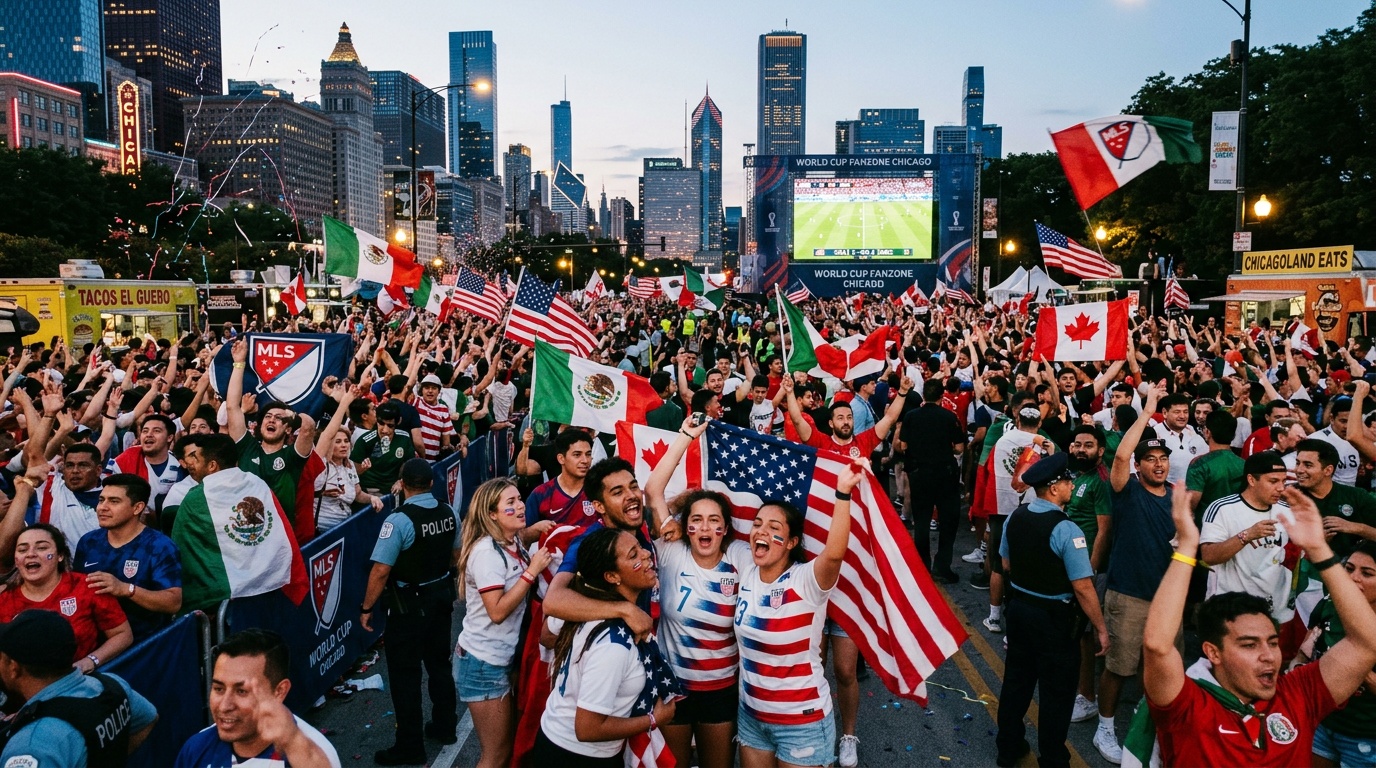
World Cup Knockout Stage Draws Huge Crowds Across North American Host Cities
The World Cup knockout stage transforms host cities into centers of global attention. Supporters travel from every continent to watch decisive matches. Streets, public squares, and transportation hubs become noticeably busier. Hotels, restaurants, and entertainment districts experience strong demand throughout the competition. Every match carries greater importance because a single loss ends a team’s tournament. That urgency attracts large crowds inside stadiums and across surrounding neighborhoods.
The tournament spreads activity across several North American metropolitan areas. Each host city prepares for thousands of domestic and international visitors. Local governments coordinate with organizers before crowds arrive. Public agencies also adjust services to manage increased demand. As the knockout stage begins, attendance often reaches its highest point. Fans arrive early and remain long after the final whistle.
Knockout Matches Create Peak Demand
The group stage introduces fans to the tournament environment. However, elimination matches generate even greater excitement because every result has immediate consequences. Supporters recognize that each contest may become a memorable chapter in football history. That emotional connection encourages more people to attend matches and public events. Television audiences also rise during this stage.
Ticket demand frequently exceeds available seating for high-profile fixtures. Fans who cannot enter stadiums often gather at official viewing locations. Large screens allow thousands to share the experience together. These gatherings create lively atmospheres throughout host cities. Businesses nearby often welcome increased customer traffic during match days.
Host Cities Prepare for Larger Crowds
Planning begins years before the tournament opens. City officials collaborate with transportation agencies, emergency services, and event organizers. Stadium operators review entry procedures and crowd management plans. Local authorities also coordinate road closures when necessary. These preparations support smoother movement around busy venues.
Preparation extends beyond the stadium itself. Public parks, fan zones, and downtown districts receive additional attention before major matches. Temporary signs help visitors navigate unfamiliar streets. Volunteers often provide directions and tourist information. Those efforts improve the overall visitor experience while reducing confusion.
Transportation Networks Face Heavy Use
Transportation systems become essential during the knockout stage. Airports welcome increased passenger volumes before and after major matches. Rail stations, subway lines, and bus routes experience higher ridership throughout the day. Traffic patterns also shift as spectators travel toward stadiums. Efficient planning helps reduce delays for residents and visitors.
Many cities encourage supporters to use public transportation instead of private vehicles. Additional services may operate before kickoff and after matches conclude. Clear communication helps travelers understand schedules and station locations. Ride-sharing services and taxis also play important roles. Together, these transportation options support large-scale movement across metropolitan areas.
Local Businesses Benefit From Tournament Activity
Restaurants often experience full dining rooms before and after matches. Cafes and bars attract supporters seeking places to watch games together. Retail stores also welcome visitors searching for souvenirs and team merchandise. Hotels benefit from longer stays during the knockout stage. Increased tourism creates opportunities across many sectors.
Small businesses frequently participate alongside larger companies. Independent shops may adjust operating hours to serve additional customers. Food vendors often see increased demand near popular gathering areas. Cultural attractions also receive visitors extending their trips beyond match days. As a result, tournament spending reaches many parts of the local economy.
Fan Zones Expand the Matchday Experience
Official fan zones provide gathering places for supporters without stadium tickets. Large video screens broadcast matches to enthusiastic audiences. Live entertainment often fills the hours before kickoff. Food stands and family activities encourage visitors to spend more time together. These spaces become important social centers during the tournament.
Many fan zones celebrate the diverse cultures represented by participating nations. Music, traditional performances, and local entertainment create welcoming environments. Visitors meet supporters from different countries throughout the day. Those interactions reflect football’s global appeal. The atmosphere often remains energetic until late evening.
Security Measures Support Safe Events
Large sporting events require detailed security planning. Police, emergency responders, and private security teams coordinate throughout each matchday. Stadium entry includes screening procedures for spectators. Organizers also monitor surrounding public spaces during busy periods. These measures support orderly operations across host cities.
Emergency services prepare for medical needs alongside security responsibilities. First aid stations remain available inside stadiums and fan areas. Clear communication helps direct visitors when assistance becomes necessary. Event organizers also share guidance through official websites and mobile applications. Accurate information supports smoother experiences for everyone attending.
Media Coverage Reaches a Global Audience
Broadcasters position cameras across stadiums and city landmarks during the knockout stage. Television coverage highlights local architecture, cultural attractions, and enthusiastic supporters. Journalists report from fan zones throughout each matchday. Social media platforms also amplify memorable moments almost instantly. Global audiences gain a broader view of each host city.
Media attention extends beyond the matches themselves. Feature stories often examine local traditions and community celebrations. Interviews with visitors illustrate football’s international reach. Photographs capture colorful displays of national pride. Together, these reports contribute to the tournament’s worldwide visibility.
Volunteers Help Visitors Navigate the Tournament
Volunteer programs support many aspects of tournament operations. Participants welcome guests at transportation centers and event locations. They answer questions about directions, schedules, and local attractions. Their assistance helps visitors feel more confident while exploring unfamiliar areas. Volunteers also contribute to efficient event organization.
Many volunteers speak multiple languages, improving communication with international travelers. Their local knowledge helps visitors discover nearby restaurants and cultural sites. Friendly guidance encourages positive experiences beyond the stadium. These contributions strengthen the overall atmosphere throughout host cities. Organizers often depend on volunteer support during busy periods.
Cultural Celebrations Spread Beyond Football
The World Cup encourages cultural exchange alongside athletic competition. Museums, performance venues, and public spaces often organize related events. Local artists contribute exhibitions inspired by participating nations. Music and food festivals introduce visitors to regional traditions. These activities expand the tournament experience beyond the matches.
Communities frequently welcome guests through neighborhood celebrations and public gatherings. International visitors explore local history while supporting their teams. Residents also enjoy opportunities to experience different cultures without leaving their cities. Those interactions create memorable moments during the competition. Cultural programming complements the excitement inside stadiums.
Weather Influences Crowd Management
North American host cities experience different climate conditions during the tournament. Some locations may face high temperatures during daytime activities. Others may experience rain or changing weather patterns. Organizers monitor forecasts before each match. Planning helps address weather-related challenges for visitors.
Shade areas, hydration stations, and weather updates support spectator comfort. Stadium announcements provide guidance when conditions change. Fans also adjust travel plans according to local forecasts. Event staff remain prepared for shifting circumstances throughout the day. Flexible planning supports successful operations despite changing weather.
Economic Activity Extends Beyond Matchdays
Visitors often remain in host cities after attending knockout matches. Many explore museums, shopping districts, and nearby attractions before traveling home. Extended stays increase demand for accommodation and local services. Tourism organizations promote regional destinations during the tournament. This broader travel activity supports businesses beyond stadium neighborhoods.
Major international events can also encourage future tourism by introducing destinations to new audiences. Television broadcasts showcase city skylines and recognizable landmarks. Travelers may decide to return for vacations or business trips later. Although long-term outcomes vary, global exposure increases international awareness. Host cities value that visibility alongside immediate economic activity.
The Knockout Stage Leaves a Lasting Impression
The World Cup knockout stage represents the tournament’s most dramatic period. Every match attracts intense interest from supporters around the world. North American host cities welcome large crowds while managing transportation, security, and public services. Businesses, volunteers, and community organizations all contribute to the visitor experience. Their combined efforts support memorable events for residents and international guests alike.
As the competition progresses toward the final, excitement continues to build across each host city. Stadiums remain central gathering places, yet celebrations extend well beyond their walls. Public spaces, cultural attractions, and local businesses all share the spotlight. The knockout stage demonstrates football’s ability to unite diverse audiences through shared moments. That combination of competition and community defines the tournament’s enduring global appeal.
