

Record Holiday Travel Pushes Airport Systems to Their Limits
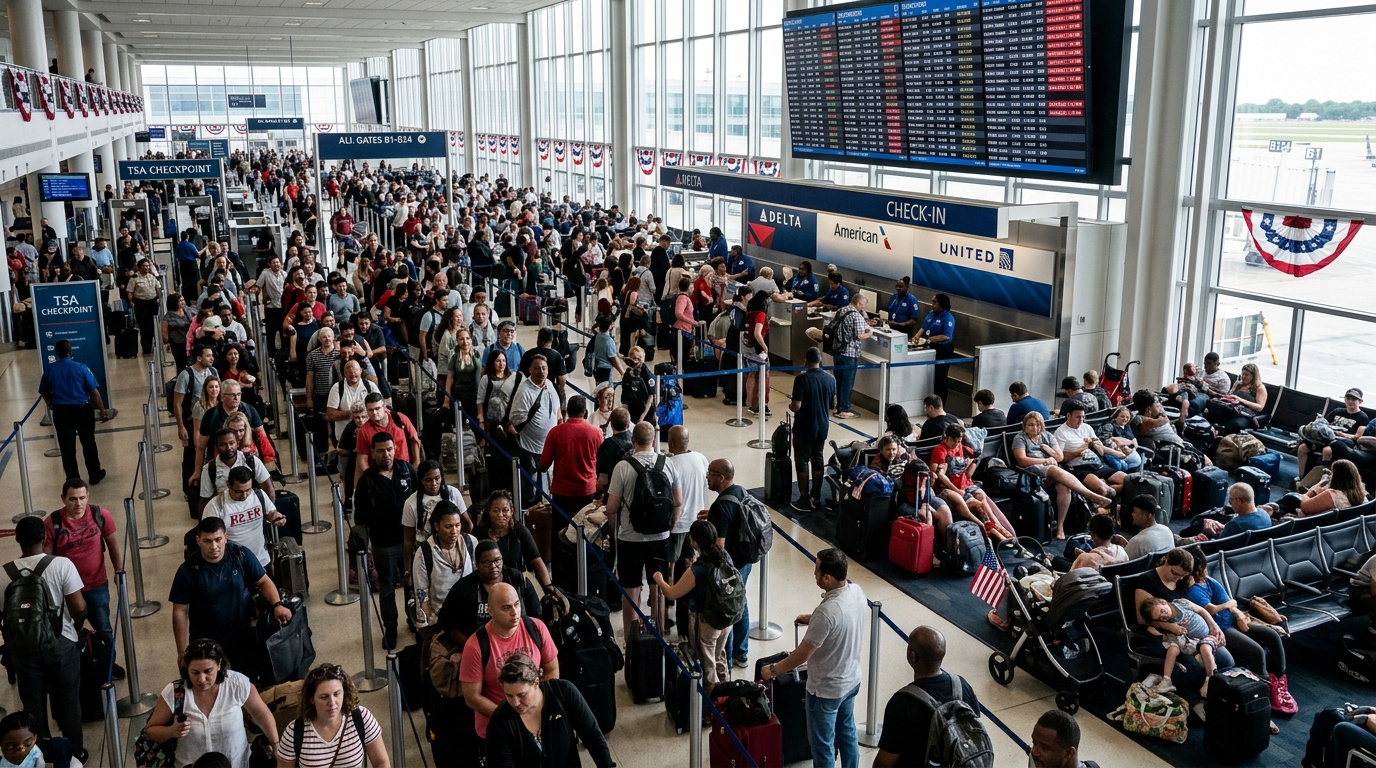
Fourth of July travel brought extraordinary pressure to major airports across the United States. Millions of passengers scheduled flights around holiday celebrations, family gatherings, and summer vacations. Airlines expanded schedules to meet strong demand, yet crowded terminals quickly revealed operational limits. Security checkpoints, baggage systems, and aircraft turnaround times all faced heavier workloads. As passenger numbers climbed, even minor disruptions spread rapidly across tightly connected airline networks.
The Transportation Security Administration regularly prepares for busy holiday periods with additional staffing and extended operations. Even so, record traveler volumes can challenge the best planning efforts. Long lines, packed waiting areas, and delayed departures became familiar scenes at several large airports. Those conditions reminded travelers that aviation systems depend upon many interconnected services operating smoothly together.
Passenger Demand Reaches Historic Levels
Air travel demand has remained strong during peak vacation seasons. The Fourth of July period often ranks among the busiest travel windows each year. Many families prefer flying because it reduces long driving times across the country. Business travelers also continue flying during holiday weeks, adding to already heavy passenger loads. As a result, airlines filled aircraft with high occupancy rates across numerous domestic routes.
The TSA has repeatedly reported record screening totals during major travel periods. Those figures reflect growing consumer confidence in air travel and continued demand for leisure trips. However, larger crowds increase pressure throughout the airport experience. Check-in counters, parking facilities, rental car centers, and boarding gates all become busier. Consequently, delays at one stage often affect the next stage of the journey.
Weather Creates Widespread Operational Challenges
Summer weather remains one of the biggest causes of airline disruptions. Thunderstorms frequently develop across the eastern and central United States during July afternoons. Heavy rain, lightning, and strong winds can temporarily halt ground operations for safety reasons. Air traffic controllers may also reduce arrival and departure rates during severe weather events. Those precautions protect passengers and crews while limiting unnecessary risks.
Weather delays rarely remain isolated at one airport. Aircraft arriving late often depart late for their next destinations. Flight crews must also follow federal duty time regulations that limit working hours. Therefore, disruptions at a major hub can ripple across airline schedules nationwide. Travelers may experience delays even when local weather appears calm.
Major Hub Airports Experience the Greatest Strain
Large connecting airports carry much of the nation’s passenger traffic during holiday periods. Airports such as Hartsfield-Jackson Atlanta International Airport, Chicago O’Hare International Airport, Dallas Fort Worth International Airport, and Denver International Airport handle thousands of flights daily. Their complex operations require precise coordination between airlines, airport authorities, and federal agencies. High passenger volumes leave less flexibility when disruptions occur.
Busy hubs connect travelers from hundreds of cities through shared flight schedules. A delayed inbound aircraft may affect multiple connecting departures within hours. Missed connections also create additional demand for customer service representatives and rebooking systems. Consequently, service desks and airline phone lines often become much busier during widespread disruptions.
Air Traffic Control Faces Heavy Workloads
Air traffic controllers direct aircraft safely through busy airspace and airport environments. Their work becomes especially demanding during holiday travel peaks. Controllers manage departures, arrivals, weather rerouting, and changing traffic patterns throughout each day. Safety remains the highest priority regardless of passenger demand or airline schedules.
Federal Aviation Administration traffic management initiatives sometimes slow departures to prevent congestion elsewhere. These measures help maintain orderly aircraft movement during challenging conditions. Although passengers may experience longer waits, controlled traffic flow reduces the risk of larger disruptions. Careful coordination supports safe operations across the national airspace system.
Airlines Adjust Operations to Reduce Delays
Airlines monitor flight schedules continuously during busy travel periods. Operations centers evaluate weather forecasts, aircraft availability, and crew assignments throughout the day. Dispatch teams sometimes reroute flights around storms when safe alternatives exist. They may also substitute aircraft or adjust departure times to improve overall network performance.
Customer service teams play an important role during disruptions. Airline employees assist passengers with rebooking, hotel accommodations, and updated travel information when necessary. Mobile applications also provide real-time notifications about gate changes and revised departure times. These digital tools help travelers respond more quickly when schedules change.
Travelers Encounter Longer Waits Across Airports
Holiday crowds affect nearly every stage of the airport journey. Parking lots often fill earlier than usual during peak departure days. Security checkpoints may require additional waiting time despite increased staffing. Boarding areas also become crowded as several flights prepare for departure simultaneously.
Baggage claim areas can experience delays when arriving flights reach gates behind schedule. Rental car facilities and rideshare pickup zones may also see longer queues. Travelers who allow extra time generally have greater flexibility when unexpected delays occur. Advance planning remains one of the most effective ways to reduce travel stress.
Preparation Can Improve the Travel Experience
Passengers benefit from checking flight status before leaving for the airport. Airlines frequently update schedules as weather and operational conditions evolve. Packing according to TSA guidelines can also speed security screening. Keeping important medications and essential items in carry-on bags provides added convenience during unexpected delays.
Travelers with connecting flights should monitor gate assignments throughout their journey. Airport mobile applications often display updated maps and walking directions between terminals. Staying informed allows passengers to respond more efficiently when plans change. Flexibility remains valuable during especially busy holiday periods.
Technology Supports Airport and Airline Operations
Modern airports rely on advanced technology to manage passenger flows and aircraft movements. Digital displays provide timely updates throughout terminals. Automated baggage tracking systems improve visibility during complex travel itineraries. Airlines also use predictive analytics to identify potential operational challenges before they become larger problems.
Many passengers now receive boarding passes and travel alerts through smartphone applications. Self-service kiosks help reduce lines at check-in areas. Meanwhile, airport operators monitor crowd patterns to allocate resources where demand increases. These technological improvements support efficiency even during exceptionally busy travel periods.
Economic Importance of Holiday Air Travel
Strong holiday travel supports airlines, airports, hotels, restaurants, and tourism businesses across the country. Vacation spending contributes to many local economies during the summer season. Airports also benefit from parking fees, retail purchases, and food service revenue. Heavy passenger demand therefore creates both opportunities and operational challenges.
Communities that depend on tourism closely watch holiday travel trends. Reliable transportation encourages visitors to attend festivals, sporting events, and family celebrations. Although disruptions may affect individual trips, most scheduled flights ultimately reach their destinations. Aviation continues serving as a critical part of the national transportation network.
Outlook for Future Holiday Travel
Industry experts expect strong demand for air travel to continue during future holiday periods. Airlines, airports, and federal agencies continue investing in staffing, technology, and infrastructure improvements. Those efforts aim to strengthen resilience while maintaining high safety standards. Growing passenger numbers will still require careful planning across every part of the aviation system.
Future improvements may include expanded terminal capacity, updated air traffic management tools, and enhanced passenger services. Even with those investments, weather and other unexpected events will remain important operational factors. Travelers who stay informed and allow additional time can better manage changing conditions. Fourth of July travel demonstrates both the popularity of air travel and the complexity required to keep millions of passengers moving safely each year.
