

Record Heat Spreads Across Parts of Europe
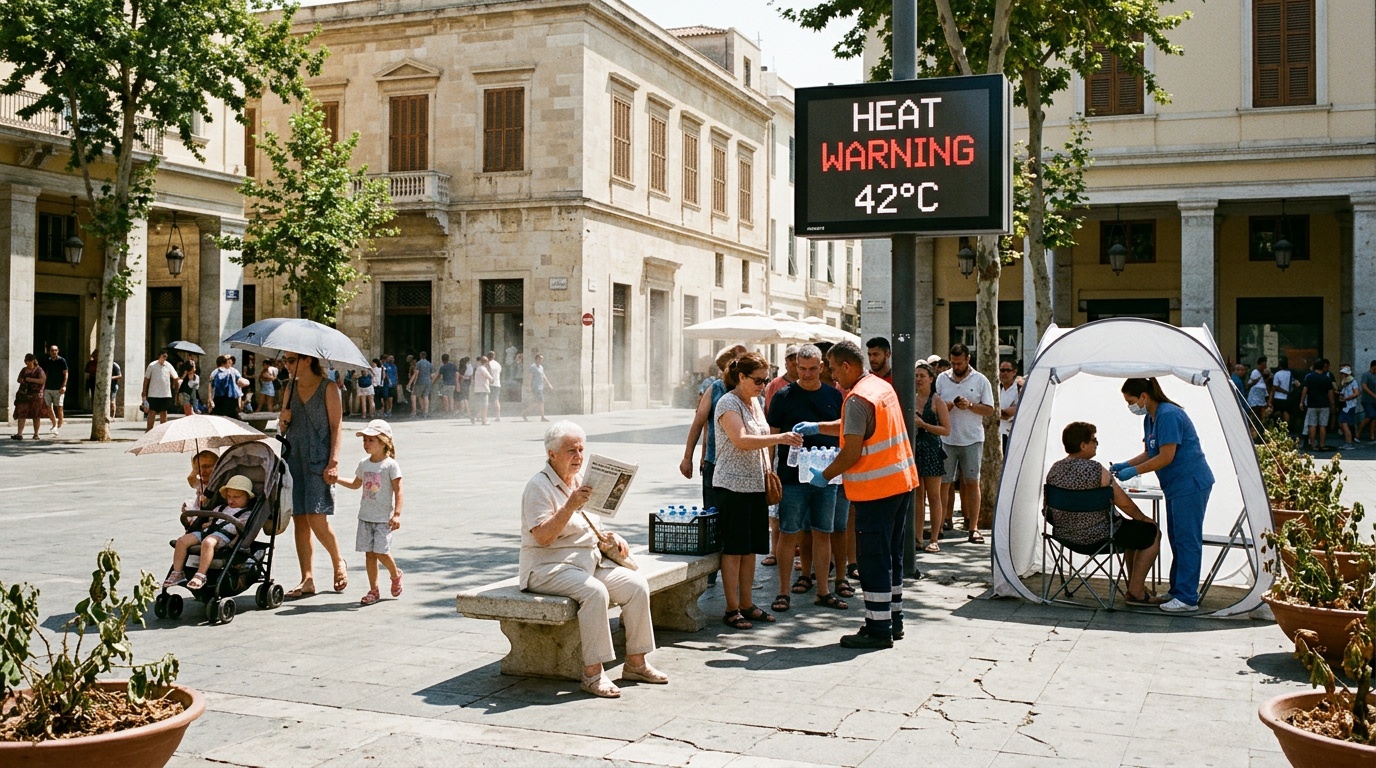
Record-breaking heat has settled across several parts of Europe, bringing dangerous daytime temperatures and unusually warm nights. Meteorological agencies have reported exceptional conditions across southern and western regions. Many cities have experienced temperatures well above seasonal averages. The prolonged heat has increased pressure on health services, emergency responders, and public infrastructure. Officials continue monitoring forecasts because the hottest conditions may persist for several days. As temperatures remain elevated, governments are expanding public safety measures and health guidance.
Health Authorities Warn About Growing Risks
Public health agencies have issued updated warnings for older adults, young children, and people with chronic medical conditions. Extreme heat can raise the risk of dehydration, heat exhaustion, and heatstroke. Officials also remind residents that healthy people can become seriously ill during prolonged heat exposure. Warm overnight temperatures prevent many homes from cooling naturally. Consequently, the human body receives less opportunity to recover from daytime heat.
Medical experts encourage people to drink water regularly, even before feeling thirsty. They also recommend limiting strenuous outdoor activities during the hottest hours. Air-conditioned buildings provide safer environments during peak temperatures. Communities have opened cooling centers in several locations to support vulnerable residents. Local governments continue sharing emergency information through television, radio, and mobile alerts.
Countries Respond With Emergency Measures
Authorities across Europe have introduced temporary measures to reduce health risks during the heatwave. Some cities have extended public pool hours and increased access to air-conditioned community buildings. Emergency medical teams remain on heightened alert for heat-related illnesses. Local officials have also expanded outreach programs for isolated older residents. These efforts aim to identify vulnerable people before emergencies develop.
Several regions have adjusted outdoor work schedules to reduce exposure during the hottest periods. Employers have received guidance encouraging additional breaks, shaded rest areas, and improved access to drinking water. Schools operating summer programs have modified outdoor activities. Organizers of sporting events have also reviewed schedules based on weather forecasts. These precautions reflect growing concern over prolonged extreme temperatures.
Wildfire Danger Increases Across Dry Landscapes
High temperatures often combine with dry vegetation to create favorable wildfire conditions. Fire agencies across several countries have strengthened preparedness and increased patrols. Strong winds can rapidly spread flames across forests and grasslands. As a result, firefighters remain ready for fast-moving incidents. Some regions have restricted open fires and outdoor burning to reduce ignition risks.
Tourists visiting natural areas have received reminders about fire safety regulations. Even small sparks can ignite dry vegetation during extreme heat. Emergency authorities continue monitoring conditions using weather forecasts and satellite observations. Early detection allows firefighters to respond more quickly. Nevertheless, severe fires can still threaten communities when weather conditions remain unfavorable.
Transport and Infrastructure Face Additional Pressure
Extreme heat affects transportation networks in several different ways. Rail systems may impose speed restrictions because metal tracks expand during high temperatures. Road surfaces can soften or become damaged after prolonged exposure. Airport operations sometimes require adjustments when temperatures reach exceptional levels. Infrastructure managers continue inspecting equipment to reduce safety risks.
Electricity demand also rises as air conditioning use increases across urban areas. Power companies closely monitor supply and distribution systems during periods of exceptional demand. Water providers encourage responsible consumption where reservoirs experience additional pressure. Meanwhile, city planners continue evaluating long-term infrastructure improvements for future heat events. These challenges demonstrate how extreme weather affects multiple public services simultaneously.
Agriculture Experiences Heat and Water Stress
Farmers across affected regions face difficult growing conditions as temperatures remain unusually high. Crops require additional water during extended heatwaves, increasing pressure on irrigation systems. Livestock also experience heat stress, reducing productivity and creating welfare concerns. Agricultural organizations encourage farmers to monitor animals closely throughout the hottest periods. Water management has become increasingly important during prolonged dry weather.
Fruit, vegetable, and grain production may vary depending on local weather patterns and available water supplies. Some crops tolerate high temperatures better than others. However, sustained extreme heat can reduce yields even with careful management. Agricultural experts continue studying adaptation strategies for changing climate conditions. Farmers increasingly consider heat-resistant crop varieties and efficient irrigation technologies.
Urban Areas Often Feel Even Hotter
Cities frequently experience higher temperatures than surrounding rural areas because of the urban heat island effect. Concrete, asphalt, and buildings absorb sunlight during the day. Those surfaces gradually release stored heat after sunset. Consequently, nighttime temperatures remain elevated across densely populated neighborhoods. Limited green space can further increase local heat exposure.
Many municipalities are expanding tree planting projects and improving access to shaded public areas. Parks and vegetation can help reduce surface temperatures in some locations. Urban planners also examine reflective building materials and cooler pavement designs. These measures cannot eliminate heatwaves completely. However, they may reduce local impacts during periods of extreme weather.
Why Warm Nights Matter
Warm nights present a significant public health concern during prolonged heat events. Human bodies recover more effectively when overnight temperatures fall. Persistent warmth can increase physical stress, especially for vulnerable individuals. People without access to cooling face greater health challenges. Therefore, health agencies closely monitor overnight temperature forecasts alongside daytime highs.
Climate Scientists Examine Long-Term Trends
Scientists continue studying the relationship between climate change and extreme heat events. Individual weather episodes result from several atmospheric factors. However, research indicates that rising global temperatures increase the likelihood and intensity of many heatwaves. Climate experts analyze observations, historical records, and computer models to understand changing risks. Their findings help governments improve planning and preparedness.
European climate monitoring organizations regularly publish updated analyses after significant weather events. Researchers compare observed temperatures with long-term averages to identify unusual conditions. Scientific studies undergo careful review before contributing to broader assessments. This ongoing research supports evidence-based decision-making. Policymakers use these findings when developing adaptation and resilience strategies.
Simple Steps Can Reduce Heat Exposure
Health authorities recommend practical actions that reduce personal heat exposure during dangerous weather. Drinking water regularly remains one of the most important recommendations. Wearing lightweight clothing can improve comfort during hot conditions. Seeking shade whenever possible also reduces direct sun exposure. Sunscreen protects skin from harmful ultraviolet radiation but does not prevent heat illness.
Residents should check on relatives, neighbors, and friends who may need additional support. Pets also require fresh water and cooler environments during periods of extreme heat. Vehicles can become dangerously hot within minutes when parked in sunlight. Children and animals should never remain unattended inside parked vehicles. Small preventive actions can significantly improve safety.
Forecasts Suggest Continued Vigilance
Weather agencies continue updating forecasts as atmospheric conditions evolve across Europe. Some regions may experience temporary relief through cooler air or scattered storms. Other locations could remain under persistent heat for several more days. Forecast uncertainty means local conditions may change quickly. Officials encourage residents to follow trusted weather updates and public health guidance.
Emergency planners continue coordinating responses among health agencies, local governments, and weather services. Their shared goal is reducing preventable illnesses and protecting vulnerable communities. Record heat remains a serious challenge with wide-ranging consequences for daily life. Continued awareness, timely information, and practical precautions can help reduce risks while extreme temperatures persist across parts of Europe.
