

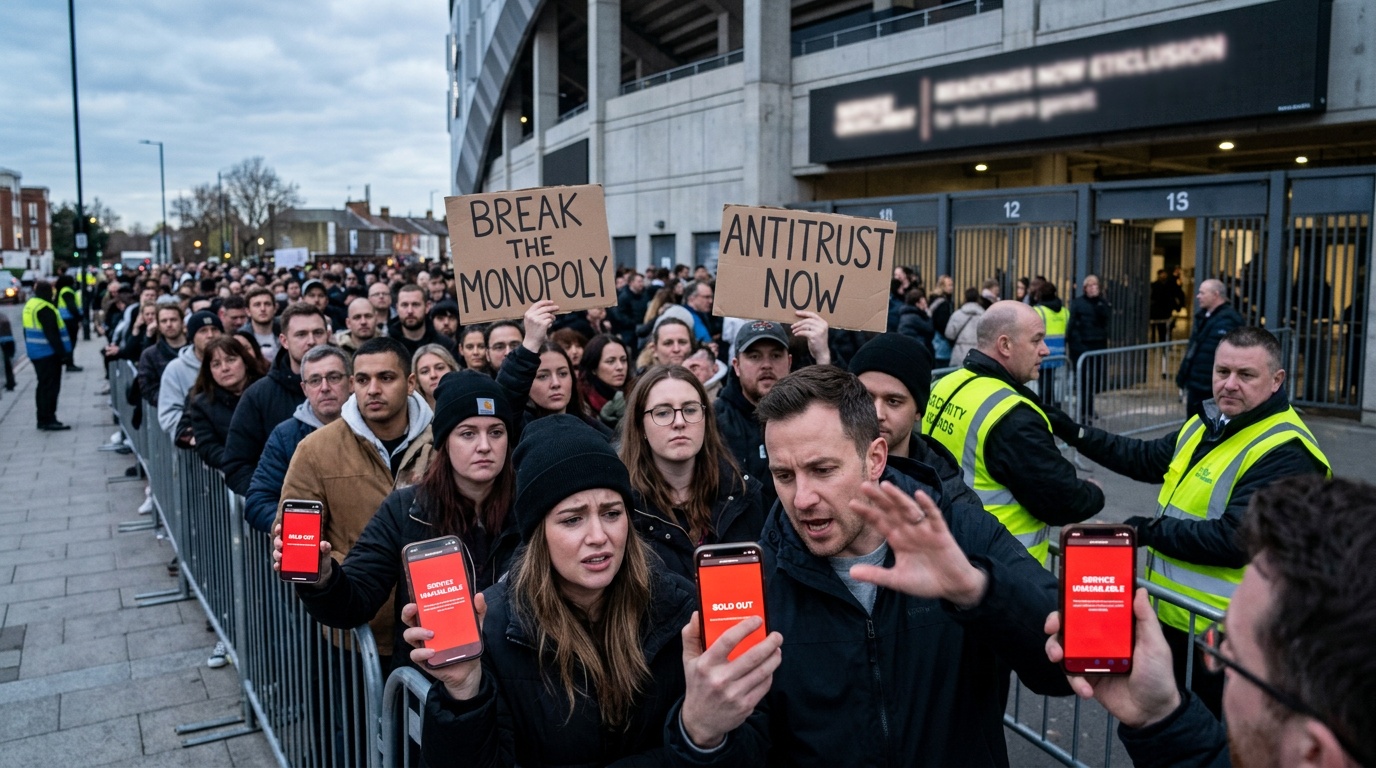
Another wave of stadium tour presales overwhelmed major ticketing platforms, triggering crashes, timeouts, and broken checkouts worldwide. Fans encountered virtual queues stretching for hours and sudden cart errors at the final payment step. The outages reignited political scrutiny and sharpened calls for stricter antitrust oversight of live events.
A Recurring Pattern With Mega Tours
High-demand tours repeatedly reveal fragile ticketing infrastructure under extraordinary spikes. Taylor Swift presales crashed systems in 2022, while Coldplay, Beyoncé, and Bad Bunny overwhelmed regional platforms. K-pop tours and legacy rock acts have produced similar traffic storms and lengthy online queues.
Companies adopted staggered presales, Verified Fan programs, and virtual waiting rooms to meter demand. Those measures reduced some bot traffic but did not prevent site instability. The pattern keeps repeating whenever global acts announce multi-city stadium runs.
Why Platforms Fail Under Presale Pressure
Presales compress months of demand into minutes, creating extreme concurrency spikes across search, cart, and payment services. Even cloud autoscaling struggles when every dependent service faces synchronized surges. Checkout, seat maps, identity checks, and fraud tools become cascading bottlenecks.
Bot mitigation adds heavy computational work during peak traffic windows. Third-party providers, including payment gateways and CAPTCHA vendors, can fail and amplify outages. Recovery often requires throttling traffic, which frustrates loyal fans who waited patiently in queues.
Virtual Queues Promise Fairness, But Trust Is Fragile
Virtual waiting rooms try to deliver orderly, randomized access during surges. Opaque queue mechanics and sudden reassignments erode public confidence, however. Fans question fairness when page refreshes, browser crashes, or device differences appear to change their position.
Market Concentration Fuels Scrutiny
Live Nation Entertainment integrates promotion, venue operations, sponsorships, and Ticketmaster’s ticketing systems. Critics argue that vertical control creates conflicts across competing business lines. They also warn that exclusivity agreements can freeze rivals out of major venues.
Exclusive venue deals consolidate presale traffic onto a single provider during peak demand. Concentration raises stakes when failures occur, since alternatives are limited. Fans face fewer choices, higher switching costs, and less leverage after crashes.
Supporters counter that integration delivers efficiency, security investments, and guaranteed marketing reach for tours. They say mega events require unified planning and standardized technologies. They also argue that competition exists from AXS, SeatGeek, Ticketek, and regional platforms.
Regulators Escalate Investigations and Remedies
The United States Justice Department sued Live Nation in 2024, alleging anticompetitive practices in ticketing and live events. Lawmakers held high-profile hearings after the Swift presale fiasco in 2023. Several state attorneys general pursued parallel inquiries and consumer protection probes.
Congress advanced proposals on fee transparency and deceptive resale practices. The House passed the bipartisan TICKET Act in 2024 to require clear, all-in pricing. The White House also pressed companies to eliminate so-called junk fees across sectors.
International regulators increased oversight following notable breakdowns and resale controversies. Mexico’s consumer agency fined Ticketmaster after mass entry denials at a 2022 stadium show. Authorities in Australia, Britain, and the European Union targeted secondary marketplaces and misleading listings.
Consumer Harm and Social Fallout
Fans lose money and time when systems crash during presales. Many already booked flights and hotels, expecting timely access to tickets. Emotional investment compounds losses, especially for once-in-a-decade stadium experiences.
Scarcity and friction fuel secondary market arbitrage and speculative listings. Bots exploit errors and slowdowns to capture prime inventory faster than humans. Frustrated buyers often pay more on resale platforms after primary channels fail.
Artist Strategies Show Limits
Artists added extra dates, segmented presales, and rolled out verified fan clubs to reduce chaos. Those steps modestly improved allocation fairness in some markets. However, global demand still outstrips capacity for the biggest acts.
Exclusive venue and ticketing contracts limit artists’ flexibility to diversify distribution. Some acts explored alternative partners for select cities or residencies. Most stadium tours still rely on the dominant vendor relationships anchoring major venues.
What Stronger Oversight Could Require
Structural remedies could unwind vertical integration or restrict exclusive long-term venue deals. Regulators could require non-exclusivity for large venues above defined capacities. Those changes would open competition for high-demand presales.
Conduct remedies could mandate all-in pricing, fee caps, and clear transferability rules. Authorities could prohibit speculative listings and require stronger refund guarantees after failures. Enforcement could target drip pricing and misleading scarcity claims.
Technical mandates could set minimum performance standards for peak events. Operators could publish service-level objectives and independent audit results after major outages. Periodic stress tests and chaos engineering could validate capacity and resiliency claims.
Anti-bot measures could combine stronger identity verification with privacy-preserving tokens. Platforms could limit device sessions, harden APIs, and rotate cryptographic keys more frequently. Policymakers must balance fraud prevention, accessibility, and data protection obligations.
Venues and Cities Hold Leverage
Publicly owned venues can demand multiple primary sales channels or independent box office options. Cities can condition permits on fair practices and visible pricing. Local venue boards can require service credits and remediation after crashes.
Global Approaches Offer Alternative Playbooks
Some markets use lotteries or ballot systems for extremely high-demand shows. Lotteries reduce traffic spikes and bots but increase uncertainty. Hybrid models combine lotteries for premium seats with scheduled sales windows for the rest.
Phased regional releases also spread load across days and time zones. Strong identity checks and delayed ticket delivery limit instant resale arbitrage. Stricter transfer controls can help but risk hurting legitimate fans with changing plans.
What Fans Should Expect Next
Near-term presales will likely bring more congestion, even with hardened systems. Fans should expect longer waits, stricter identity verification, and tighter purchase limits. Transparent status pages and proactive refunds may improve the overall experience slightly.
Policy processes will move slowly, but pressure is rising after each crash. Disclosure requirements, performance reporting, and clearer fee rules could arrive first. Larger structural changes will hinge on court outcomes and sustained political will.
The latest failures pushed antitrust debates back into the spotlight for live events. Stability, competition, and consumer trust now sit at the center of reform discussions. Meaningful progress will require both policy action and rigorous engineering improvements.
