

What the ICC closure actually means
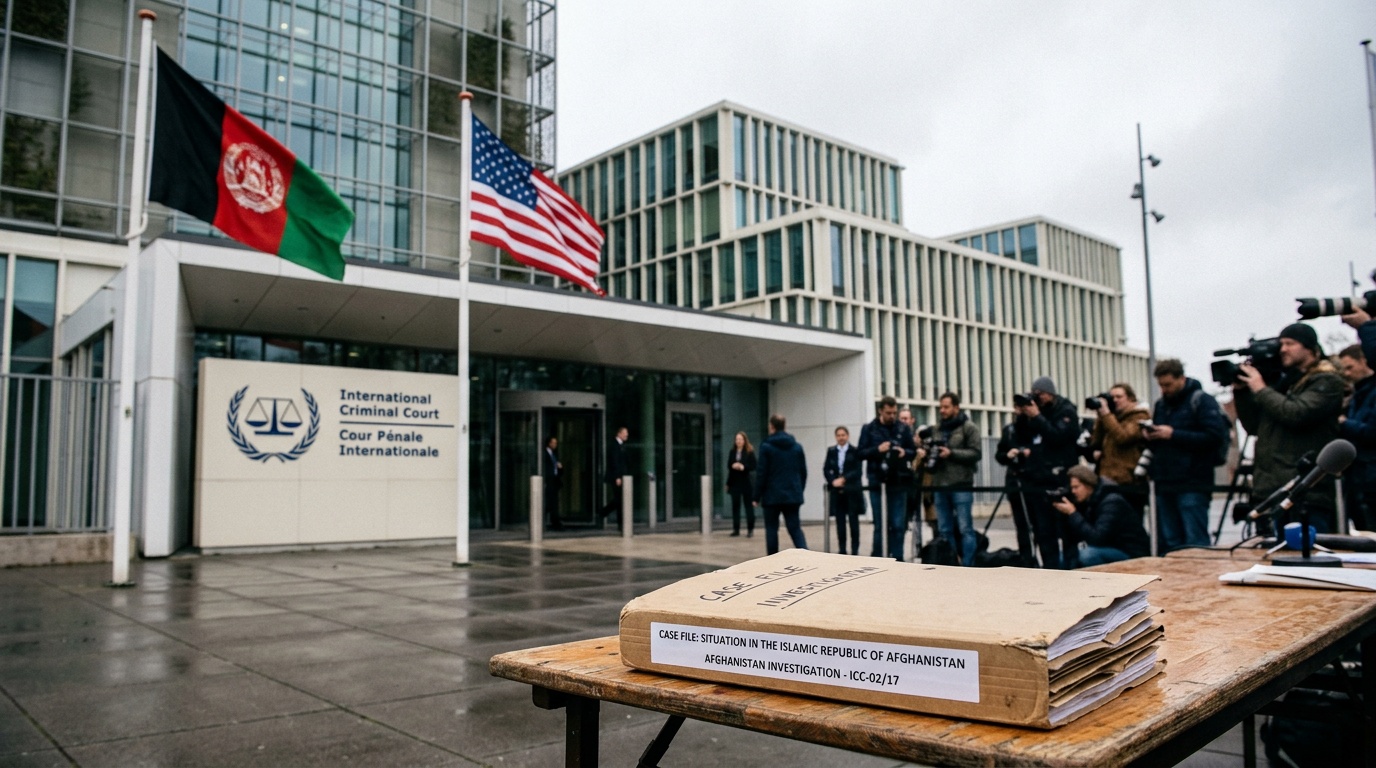
The International Criminal Court has closed the investigative track concerning alleged crimes by United States personnel in Afghanistan. The step ends that part of a wider inquiry, rather than the entire Afghanistan situation. No American service member or intelligence officer faced charges, an arrest warrant, or a trial. Therefore, the court did not decide whether any individual was innocent or guilty. Prosecutors simply ended their pursuit of that investigative line without presenting a case to judges.
News reports often call the matter a war crimes case, but the court uses narrower legal terms. An ICC situation covers suspected crimes across a territory, conflict, or defined period. A case normally concerns identified defendants after prosecutors request summonses or arrest warrants. The American allegations never reached that stage. This distinction matters because closure provides no judicial ruling on the evidence. It also leaves the court’s broader work on Afghanistan open. That distinction helps explain the history.
How the Afghanistan investigation developed
Afghanistan became a Rome Statute member in 2003, giving the ICC jurisdiction over later crimes committed there. The United States never joined the treaty, yet nationality does not erase territorial jurisdiction. Prosecutors also examined related conduct at detention sites in Poland, Romania, and Lithuania. Those countries belong to the court, creating another possible jurisdictional link.
Former prosecutor Fatou Bensouda requested a full investigation in 2017 after a long preliminary examination. A pretrial chamber rejected her request in 2019, citing the interests of justice. The Appeals Chamber reversed that decision in March 2020 and authorized a broad investigation. Judges allowed scrutiny of alleged crimes by Taliban members, Afghan forces, and American personnel. The ruling marked a legal victory for victims seeking an independent inquiry.
Allegations involving American personnel
The prosecutor’s authorization request described alleged torture, cruel treatment, rape, and other sexual violence by American actors. It covered conduct attributed to United States armed forces and Central Intelligence Agency personnel. Investigators linked many accusations to detention and interrogation operations after the September 2001 attacks. Some alleged conduct occurred in Afghanistan, while other conduct involved secret overseas facilities. These descriptions reflected allegations and prosecutorial assessments, not proven findings against named people.
The United States investigated and prosecuted some detainee abuse through military and domestic processes. However, human rights groups argued that those efforts rarely reached senior officials or addressed policy decisions. American administrations maintained that the ICC lacked legitimate authority over nationals from countries outside the treaty. Washington also cited national sovereignty and its own accountability system. The court answered that Afghanistan’s membership permitted jurisdiction over crimes allegedly committed on Afghan territory.
Why prosecutors changed direction
Karim Khan became prosecutor in 2021 as the Taliban seized control of Afghanistan. He asked judges to resume the inquiry after earlier disputes over Afghanistan’s request to defer it. However, Khan announced that his office would prioritize alleged crimes by the Taliban and Islamic State’s Afghan branch. He said their alleged crimes presented the gravest scale and continuing threat. He consequently deprioritized allegations involving American and former Afghan government forces.
Judges allowed the resumed investigation in 2022, and prosecutors concentrated resources on Taliban conduct. Resource limits, access problems, security risks, and Afghanistan’s changed political landscape shaped the office’s practical choices. Prioritization initially meant postponement, rather than a final legal judgment about the American allegations. The subsequent closure made that investigative endpoint clearer. Still, it did not transform untested accusations into either established facts or disproved claims.
What closure does and does not establish
Closing an investigation can reflect evidentiary prospects, available resources, legal barriers, or strategic priorities. It does not carry the meaning of an acquittal, which follows charges and adjudication. Likewise, the decision does not confirm every allegation presented by victims or advocacy groups. No chamber tested witnesses, reviewed a completed prosecution file, or issued a merits judgment. Careful language therefore remains essential when describing the outcome.
The move also demonstrates the difference between jurisdiction and enforcement. The ICC may possess legal authority, yet it lacks its own police force. It depends on states for arrests, evidence, witness protection, travel, and access to detention sites. Noncooperation can weaken an investigation even when judges recognize jurisdiction. Afghanistan’s upheaval further complicated records, interviews, and secure fieldwork. Those realities often determine whether prosecutors can build a trial-ready case.
The wider Afghanistan investigation continues
The broader Afghanistan situation remains active despite the end of the American investigative track. Prosecutors have pursued Taliban leaders over the alleged persecution of women, girls, and other targeted people. The court issued arrest warrants for supreme leader Hibatullah Akhundzada and chief justice Abdul Hakim Haqqani. The warrants concern alleged persecution on gender and political grounds. They do not constitute convictions, and both men retain the presumption of innocence.
That work reflects the prosecutor’s emphasis on ongoing crimes under Taliban rule. Since returning to power, Taliban authorities have imposed sweeping restrictions on women’s education, employment, movement, and public life. United Nations experts and rights organizations describe those measures as systematic gender persecution. Taliban officials reject the court’s authority and defend their policies through their interpretation of Islamic law. The ICC must still secure custody before any trial can begin.
Reactions and lasting consequences
For many Afghan victims, the closure narrows an already limited route toward international accountability. Some advocates say the decision reinforces unequal justice because powerful countries can resist investigations. Others argue that prosecutors must focus scarce resources on cases with stronger evidence and better enforcement prospects. Both views expose the court’s central dilemma. It seeks universal accountability while operating through a treaty system that major powers have not fully accepted.
Successive American governments opposed the Afghanistan inquiry, although their tactics and rhetoric differed. The first Trump administration imposed sanctions on court officials, and President Joe Biden later removed them. Later American pressure against the ICC arose largely from its separate investigation concerning Israel and Palestinian territories. That dispute remains legally distinct from Afghanistan. Still, the surrounding pressure shapes debate about institutional independence and political influence.
What comes next
The closure leaves domestic and foreign courts as possible venues for future accountability efforts. Such proceedings would require admissible evidence, lawful jurisdiction, available defendants, and sustained political support. Victims may continue seeking records, reparations, acknowledgments, and historical truth. Those goals matter even without an ICC trial.
For the ICC, the outcome closes one controversial chapter but leaves Afghanistan’s wider account unresolved. The court will continue facing questions about selectivity, cooperation, resources, and consistent treatment of powerful states. Meanwhile, Taliban suspects remain beyond the court’s custody. The closure therefore marks an endpoint for one line, not a final reckoning for Afghanistan’s long conflict.
