

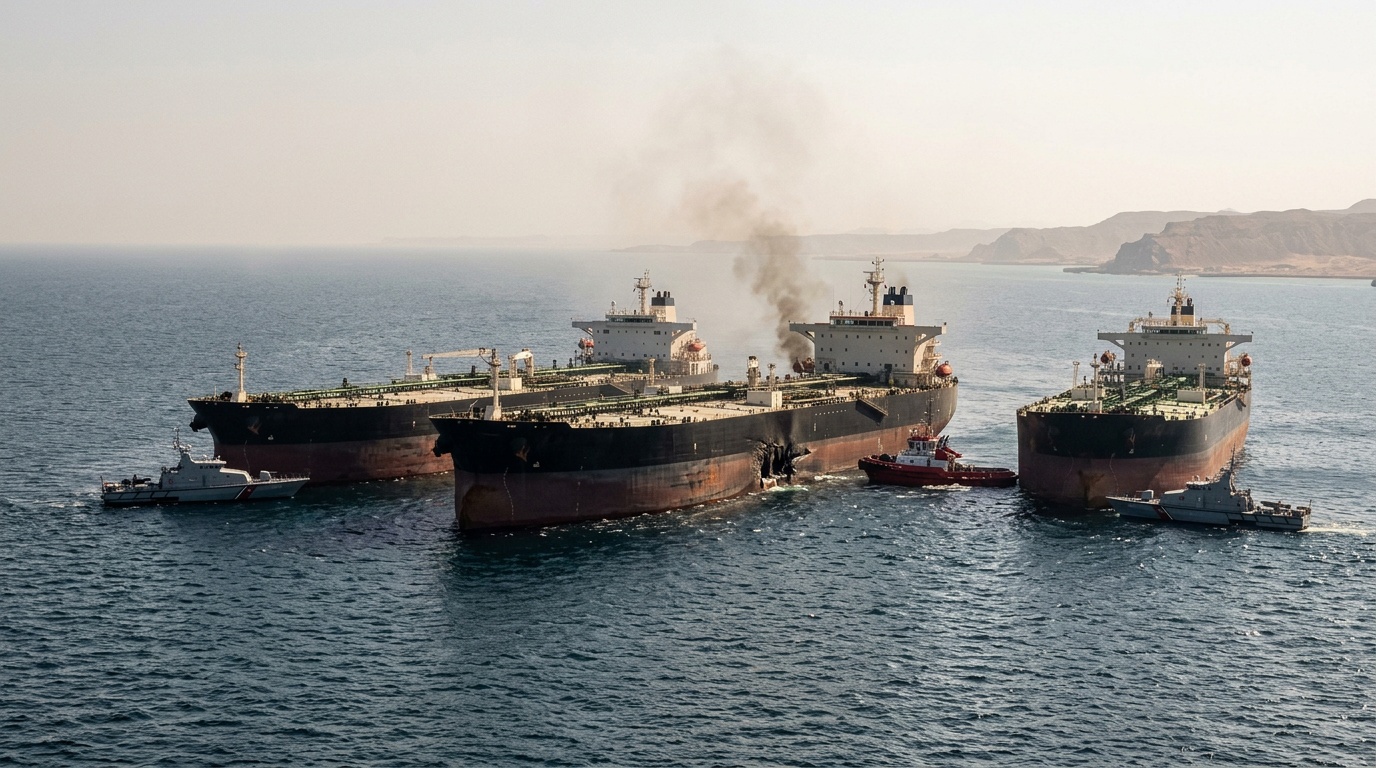
Iranian authorities have reported that mines struck three oil tankers during a sharp rise in Gulf tensions. The reported incidents involved commercial vessels operating near routes central to global energy trade. Iran has not publicly supplied a complete evidentiary record supporting every detail. Independent investigators must still verify locations, damage patterns, casualties, and the devices involved. That distinction separates an official claim from an independently established account.
The report has nevertheless increased concern among governments, shipping companies, insurers, and energy traders. Any attack involving tankers can disrupt trade far beyond the immediate area. Tankers carry crude oil, refined fuels, and chemical products between producers and international customers. Even limited damage can delay deliveries, raise insurance costs, and force operators to change routes. Those consequences make rapid verification especially important.
What Iran Has Reported
Iran says mines struck three tankers as regional confrontations placed increasing pressure on commercial navigation. However, the available report does not establish who deployed the alleged mines. It also does not explain whether crews discovered attached devices or encountered floating or submerged weapons. Each possibility would require different evidence and investigative methods. Officials must therefore avoid treating the reported cause as proven before specialists inspect the vessels.
Authorities will also need verified information about the ships’ identities, flags, cargoes, ownership, and destinations. Shipping records can establish planned routes and recent port calls. Automatic Identification System data may show vessel movements before each incident. However, signals can disappear because of equipment failures, security decisions, or deliberate interference. Investigators must compare digital records with crew testimony, radar data, and physical evidence.
Why Mine Investigations Take Time
Maritime mines include several weapon types, and investigators cannot identify them through political statements alone. Moored mines float below the surface while remaining anchored to the seabed. Bottom mines rest underwater and can react to magnetic, acoustic, or pressure signatures. Limpet mines attach directly to a ship’s hull. Specialists must study blast marks, metal fragments, residue, and the location of structural damage.
Damage below the waterline can flood machinery spaces or cargo compartments. Explosions above that level may cause fires without immediately sinking a modern tanker. Double-hull construction provides additional protection around many cargo tanks. However, strong blasts can still breach steel, disable propulsion, or injure crew members. Salvage teams must first control fires and flooding before investigators can safely enter affected areas.
Evidence Needed for Attribution
Identifying a weapon does not automatically identify the responsible party. Investigators need manufacturing details, deployment evidence, intelligence records, and reliable witness accounts. They may examine recovered components for serial numbers or distinctive engineering features. Naval forces could also review surveillance imagery and underwater sensor information. Governments often keep such material classified, which can make public verification difficult.
Attribution carries serious consequences during a regional crisis. An unsupported accusation could encourage retaliation before investigators establish the facts. Conversely, delayed findings can allow false accounts to spread across news outlets and social media. Governments should release evidence that independent experts can evaluate whenever security restrictions permit. Clear evidence can reduce confusion without preventing a lawful response.
The Gulf’s Strategic Importance
The Gulf connects major oil and gas producers with customers across Asia, Europe, and other regions. Much of that trade passes through the Strait of Hormuz. Iran borders the strait’s northern side, while Oman controls territory along its southern approaches. At its narrowest point, the passage spans about 21 miles. Designated shipping lanes organize traffic moving into and out of the Gulf.
Roughly one-fifth of global petroleum liquids consumption passes through the strait during typical periods. Qatar also exports large volumes of liquefied natural gas through the same passage. Producers operate pipelines that bypass Hormuz, but those systems cannot replace all maritime capacity. A prolonged disruption could therefore affect fuel supplies, freight rates, and national energy planning. That exposure explains the immediate international attention surrounding Iran’s report.
Risks for Civilian Shipping
Merchant crews face the most direct danger from any mines placed near commercial routes. Sailors may have little warning before an explosion damages their vessel. Fires on loaded tankers can spread quickly and produce toxic smoke. Rescue operations also become harder when military forces operate nearby. Shipping companies must balance crew safety against contractual obligations and delivery schedules.
Operators may increase watches, restrict nighttime movements, or request naval guidance. Some companies could suspend voyages until authorities assess the threat. Others may continue sailing because alternative routes add significant time and cost. Ships avoiding Hormuz cannot simply use the Suez Canal without first leaving the Gulf. That geographical reality limits practical diversion choices for many exporters.
Historical Incidents Shape Current Reactions
Earlier tanker attacks continue to influence reactions to the latest Iranian report. Four commercial vessels suffered damage near the United Arab Emirates in May 2019. An international investigation concluded that a sophisticated operation had targeted the ships. The investigators did not publicly name a responsible state. Additional attacks damaged two tankers in the Gulf of Oman during June 2019.
The United States blamed Iran for the June 2019 attacks, while Tehran denied responsibility. Those competing accounts deepened mistrust between Iran and Western governments. They also demonstrated how maritime incidents can become major diplomatic confrontations. Current officials must consider that history without assuming identical circumstances. Every incident requires separate evidence, technical analysis, and legal review.
Military and Diplomatic Responses
Regional navies will likely increase surveillance around tanker routes following any credible mine warning. Mine-countermeasure vessels can search waterways using sonar, remotely operated systems, and trained specialists. Helicopters and patrol aircraft can monitor suspicious activity near shipping lanes. However, a larger military presence can create new risks. Misread movements or communications failures could trigger an unintended confrontation.
Diplomats therefore have an important role alongside naval commanders. Governments can share navigational warnings without assigning premature blame. They can also use direct channels to clarify military activities and prevent misunderstandings. International organizations may support information exchanges, rescue coordination, and environmental planning. These steps cannot resolve wider disputes, but they can protect civilian traffic.
Market and Environmental Effects
Oil prices often respond quickly to threats involving Gulf shipping. Traders consider possible supply losses, delivery delays, and higher transportation expenses. Insurance providers may increase war-risk premiums for vessels entering dangerous areas. Shipowners usually pass some added costs to cargo customers. Consumers could eventually face higher fuel prices if disruptions continue.
A damaged tanker can also create severe environmental consequences. Spilled crude oil can harm fisheries, coastal habitats, seabirds, and marine mammals. Refined products may evaporate faster, yet they still pose toxic and fire hazards. Gulf waters experience intense industrial activity and limited circulation in some areas. Emergency teams must contain any spill before currents spread pollution across national boundaries.
What Happens Next
The immediate priority involves protecting crews and securing the reported incident areas. Maritime authorities must warn nearby ships while avoiding unnecessary disruption. Investigators should document hull damage before repairs alter crucial evidence. They should also interview crew members separately and preserve electronic records. Transparent findings would help governments judge whether the incidents form a coordinated campaign.
Until investigators release verified evidence, Iran’s account remains a significant but unconfirmed report. Governments and news organizations should clearly distinguish established facts from official allegations. Shipping operators will meanwhile assess risks using naval warnings, intelligence reports, and commercial data. The next verified findings could either calm markets or deepen the crisis. Careful investigation offers the strongest path toward accountability and reduced escalation.
